


TL;DR:
- A hangover causes physical and mental symptoms after heavy drinking, with no instant cure. Rehydration with electrolytes, proper nutrition, rest, and avoiding harmful remedies support faster recovery. Preventing hangovers involves mindful drinking habits, like eating beforehand and pacing drinks to minimize symptoms.
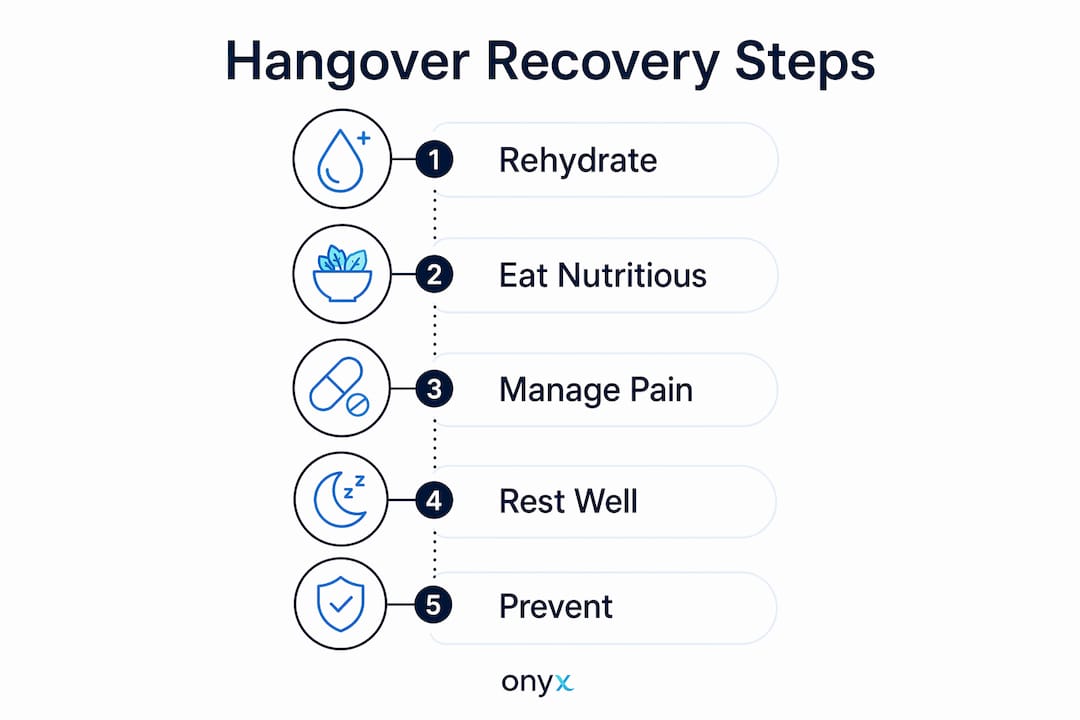
A hangover is defined as a cluster of physical and mental symptoms that follow heavy alcohol consumption, including headache, nausea, fatigue, and dehydration. No instant cure exists. Recovery typically resolves within 24 hours as your body clears alcohol metabolites, but the right steps make that process significantly more comfortable. This hangover recovery guide covers what actually works: rehydration with electrolytes, targeted nutrition, safe symptom management, and rest. You will also find prevention strategies to reduce severity the next time around. The goal is not a miracle fix. It is giving your body exactly what it needs to heal faster and smarter.
Why rehydration with electrolytes beats plain water
Dehydration is one of the primary drivers of hangover symptoms. Alcohol suppresses the hormone that signals your kidneys to retain water, so you lose far more fluid than you take in. Plain water replaces volume, but it does not replace the sodium, potassium, and magnesium your body also lost.
Electrolyte-rich fluids like coconut water replenish those minerals more effectively than water alone. Coconut water contains potassium, magnesium, and calcium, all of which support nerve function and muscle recovery. Oral rehydration salts, available at most pharmacies, work on the same principle and are inexpensive.
Here is a practical hydration approach:
- Start immediately. Drink a large glass of water or an electrolyte drink as soon as you wake up.
- Sip steadily. Gulping large amounts at once can worsen nausea. Small, consistent sips work better.
- Check your urine. Pale yellow means you are rehydrated. Dark yellow means keep drinking.
- Avoid sugary sports drinks. High sugar content can spike and then crash blood sugar, adding to fatigue.
- Skip the coffee first. Caffeine is a diuretic that can deepen dehydration if you drink it before rehydrating.
Pro Tip: Mix a pinch of sea salt and a squeeze of lemon into a glass of water for a quick, low-cost electrolyte boost before you reach for anything else.
Staying on top of fluids is the single fastest way to reduce the pounding headache and brain fog that come with a hangover. Think of it as refilling a tank that your body drained overnight.
What to eat after drinking to speed up recovery
Food is not just comfort after a night of drinking. The right choices actively support your liver and stabilize your blood sugar, both of which take a hit from alcohol.
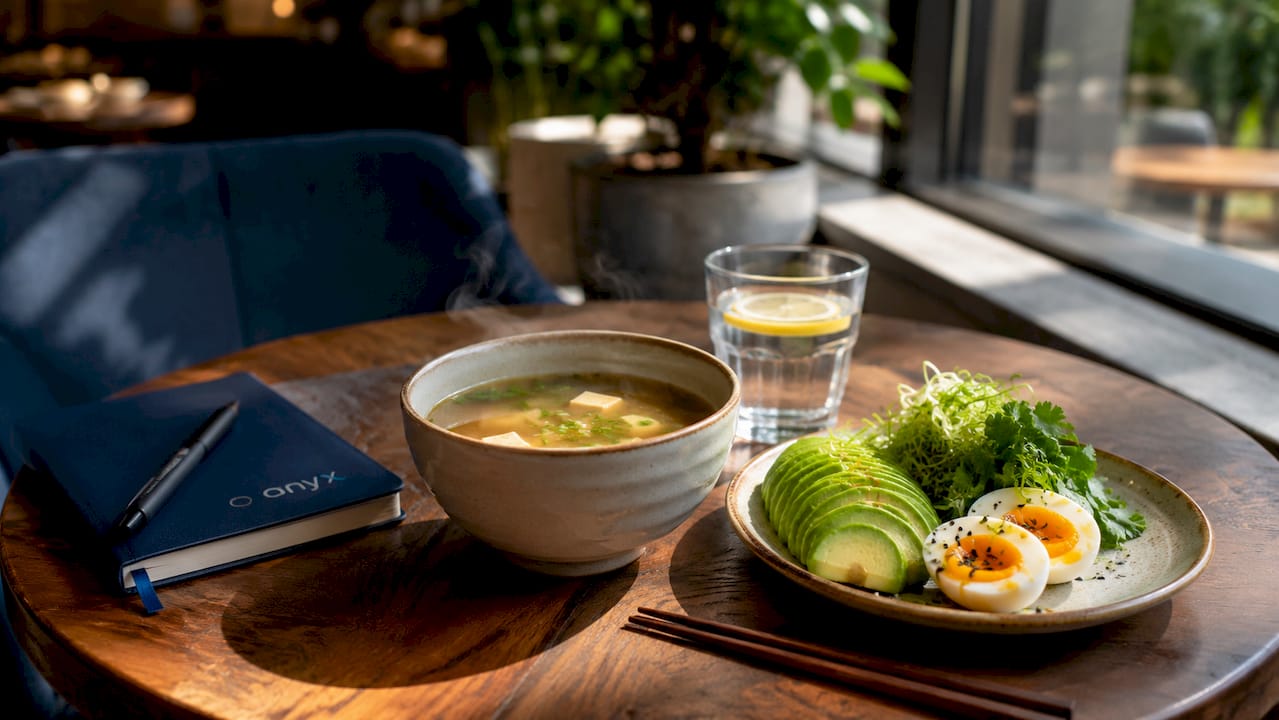
Bland carbohydrates like toast and crackers are your best starting point. They raise blood sugar gently without irritating a sensitive stomach. Eggs are a particularly strong choice because they contain cysteine, an amino acid that helps your body break down acetaldehyde, the toxic byproduct of alcohol metabolism. That breakdown is what reduces the worst of your symptoms.
What to reach for:
- Eggs (scrambled or boiled): cysteine content supports alcohol metabolite breakdown.
- Toast or plain crackers: stabilize blood sugar without stressing digestion.
- Broth-based soups: replace sodium and fluids simultaneously.
- Bananas: replenish potassium lost through increased urination.
- Watermelon or cucumber: high water content supports rehydration alongside nutrition.
What to avoid:
- Greasy or fatty foods: fatty foods post-drinking impair gastric emptying and can make nausea significantly worse. The “greasy cure” is a popular myth with no scientific backing.
- Spicy foods: irritate an already inflamed stomach lining.
- High-sugar foods: cause blood sugar swings that worsen fatigue and brain fog.
Pro Tip: If solid food feels impossible, start with a warm mug of chicken or miso broth. It delivers sodium, warmth, and hydration without taxing your stomach.
Eating well after drinking is not about indulgence. It is about giving your liver the raw materials it needs to finish the job.
How to manage hangover symptoms safely
Headache and nausea are the two symptoms that make a hangover feel unbearable. Managing them safely requires knowing which remedies actually help and which ones cause more harm.
Pain relief: choose wisely
NSAIDs like ibuprofen or aspirin are the safer options for hangover headaches. They reduce inflammation, which is a real physiological component of hangover pain. Take them with food and water to protect your stomach lining.
Acetaminophen is the one to avoid. Your liver is already working hard to process alcohol. Adding acetaminophen compounds that stress and raises the risk of acute liver damage. This is not a minor caution. It is a genuine safety concern.
Nausea and stomach irritation
Antacids like calcium carbonate tablets can neutralize stomach acid and ease the burning sensation that alcohol causes. Ginger tea is a well-documented natural option for nausea relief. Sipping it slowly between meals works better than drinking it all at once.
The myth you need to drop
“Hair of the dog” is the practice of drinking more alcohol to relieve a hangover. It does not cure anything. It delays withdrawal symptoms and adds more work for your liver. Drinking more alcohol to cure hangovers only prolongs recovery and increases the risk of dependency over time.
For a broader look at science-backed hangover alternatives, including what the evidence actually supports, that resource is worth reading before you reach for anything marketed as a rapid cure. Many marketed rapid hangover cures lack high-quality clinical evidence, making simple rest, hydration, and nutrition the safest approaches.
Why rest is non-negotiable for hangover recovery
Sleep is not passive during a hangover. It is when your liver does its most intensive metabolic work. Extra sleep allows the liver to metabolize acetaldehyde and other toxins more efficiently, which directly reduces the duration and intensity of symptoms.
Alcohol disrupts sleep architecture even when it helps you fall asleep faster. It suppresses REM sleep, the restorative phase your brain needs most. That is why you often wake up after a night of drinking feeling exhausted despite hours in bed. The sleep you got was low quality, and your body is still running a deficit.
Rest also supports your immune system. Alcohol triggers a mild inflammatory response, and sleep is your body’s primary tool for managing inflammation. Cutting rest short means that process takes longer.
Pro Tip: Create a recovery environment: close the blinds, silence your phone, and keep the room cool. Your nervous system is already overstimulated. Reducing sensory input helps your body shift into genuine recovery mode.
If you cannot sleep, lying down in a dark, quiet room still reduces the metabolic demand on your body. Rest in any form is better than pushing through.
How to prevent a severe hangover before it starts
The most effective hangover recovery is the one you never need. A few deliberate choices before and during drinking can dramatically reduce how you feel the next morning.
- Eat before you drink. Consuming healthy fats like avocado or salmon before drinking slows gastric emptying and reduces the rate at which alcohol enters your bloodstream. This single step has more impact than most post-drinking remedies.
- Alternate drinks with water. Hydrating while drinking slows alcohol absorption and keeps dehydration from compounding overnight. One glass of water per alcoholic drink is a practical target.
- Choose lighter-colored drinks. Darker spirits like whiskey, brandy, and red wine contain higher levels of congeners, chemical byproducts of fermentation that intensify hangover symptoms. Vodka and gin have lower congener levels.
- Pace yourself. Your liver processes roughly one standard drink per hour. Drinking faster than that means acetaldehyde accumulates in your bloodstream, which is what causes most of the toxic symptoms.
- Hydrate before bed. Drink at least two glasses of water before sleeping. Alcohol continues to dehydrate you through the night, so starting that rehydration process before you fall asleep gives your body a head start.
- Prioritize sleep. Getting a full night of sleep after drinking gives your liver the time it needs to complete alcohol metabolism. Cutting sleep short leaves that process unfinished.
For readers interested in how natural supplements support recovery, the principles of pre-event nutrition and post-event replenishment apply directly to alcohol recovery as well.
Key Takeaways
Effective hangover recovery requires rehydration with electrolytes, targeted nutrition, safe symptom management, and adequate rest, with no single remedy replacing the time your body needs to clear alcohol metabolites.
| Point | Details |
|---|---|
| Electrolytes over plain water | Coconut water and oral rehydration salts replace sodium, potassium, and magnesium lost through alcohol’s diuretic effect. |
| Eat eggs and bland carbs first | Cysteine in eggs supports acetaldehyde breakdown; toast and crackers stabilize blood sugar without stressing digestion. |
| Avoid acetaminophen | NSAIDs like ibuprofen are safer for hangover headaches; acetaminophen compounds liver stress during alcohol metabolism. |
| Rest accelerates recovery | Extra sleep lets the liver metabolize toxins more efficiently and supports the immune response to alcohol-induced inflammation. |
| Prevention beats remedies | Eating healthy fats before drinking and alternating with water reduces hangover severity more than any post-drinking fix. |
What I have learned after years of watching people chase the wrong cure
The most common mistake I see is treating a hangover like a problem to be solved with a single product or trick. People reach for greasy food, a strong coffee, or whatever supplement is trending, and then wonder why they still feel terrible at 3 PM. The body does not work on shortcuts.
What actually moves the needle is the boring stuff: water with electrolytes before anything else, a couple of eggs if your stomach allows it, an ibuprofen with food if your head is pounding, and then genuine rest. That combination addresses the actual biology. Everything else is mostly noise.
The prevention angle is where I think most people leave the most value on the table. Eating a meal with healthy fats before you go out is not glamorous advice, but it is the closest thing to a real hangover prevention strategy that exists. It works because it slows how fast alcohol hits your system, not because of any special ingredient.
One more thing worth saying plainly: if you find yourself regularly needing a hangover recovery plan, that pattern is worth paying attention to. Recovery tips are useful. But they are not a substitute for honest reflection about drinking habits. You deserve to feel good consistently, not just after you have recovered from feeling terrible.
— Chris
Onyxwellness products worth having in your recovery toolkit
Post-drinking fatigue and nutrient depletion are real, and sometimes food and rest alone are not enough to get you back on track quickly.
Onyxwellness offers a range of fast-absorbing, dissolvable strips built on Ayurvedic principles and designed for modern recovery needs. The Energy Strips are a practical option when post-hangover fatigue is dragging you through the day. For replenishing nutrients your body lost overnight, the Hair, Skin and Nails Strips support overall replenishment with no water needed. If your digestion feels off after drinking, the Digestive + Gut Health Strips are worth exploring. All strips dissolve directly on the tongue for fast absorption, which matters when your stomach is already sensitive.
FAQ
What is the fastest way to recover from a hangover?
No scientifically proven cure exists, but rehydrating with electrolyte-rich fluids, eating bland foods like toast and eggs, and resting are the fastest evidence-backed approaches to symptom relief.
Is it safe to take painkillers for a hangover headache?
NSAIDs like ibuprofen or aspirin are the safer choices for hangover headaches. Acetaminophen combined with alcohol increases the risk of acute liver damage and should be avoided.
Does coffee help or hurt a hangover?
Coffee may reduce headache intensity, but caffeine’s diuretic effect can worsen dehydration. If you drink coffee during a hangover, pair it with a full glass of water and do not drink it on an empty stomach.
Does eating greasy food cure a hangover?
No. Greasy foods post-drinking slow gastric emptying and can worsen nausea. Bland carbohydrates and protein-rich foods like eggs are far more effective for recovery.
How long does a hangover last?
Most hangovers resolve within 24 hours with rest, hydration, and proper nutrition. Severity depends on how much you drank, your body weight, sleep quality, and whether you ate before drinking.