


TL;DR:
- Stress management involves regular techniques to reduce the negative impact of stress on health and well-being.
- Practicing these habits daily can prevent chronic stress from causing severe physical and mental harm over time.
Stress management is the intentional practice of techniques and habits designed to reduce the negative impact stress has on the mind and body. The American Medical Association, the CDC, and the Mayo Clinic all recognize it as a core pillar of health, equal in importance to diet and exercise. Yet most people treat it as optional, something to address only after a crisis hits. That reactive approach is exactly why stress management matters: chronic, unmanaged stress quietly damages your heart, brain, immune system, and relationships long before you notice the warning signs.
Why stress management matters: the case for acting now
Stress management is preventive medicine, not a luxury. The AMA states directly that ignoring stress risks worsens existing chronic conditions and triggers new behavioral problems. That means the headache you chalk up to a long week, or the sleep you keep losing, may already be your body’s distress signal.
The body’s stress response is built for short bursts. Adrenaline and cortisol flood your system, sharpen your focus, and then recede. When stress becomes chronic, that alarm never fully resets. The result is a body running in permanent emergency mode, which is expensive in biological terms.
The goal is not a stress-free life. The CDC frames it clearly: the target is managing the frequency and duration of stress responses through self-awareness. That reframe alone changes how you approach the problem. You are not trying to eliminate pressure. You are training your system to recover from it faster.
What health risks does unmanaged chronic stress cause?
Chronic stress causes measurable physical and mental harm. Long-term activation of adrenaline and cortisol increases the risk of heart disease, type 2 diabetes, sleep disorders, and digestive problems. These are not vague possibilities. They are documented outcomes of a body stuck in fight-or-flight.
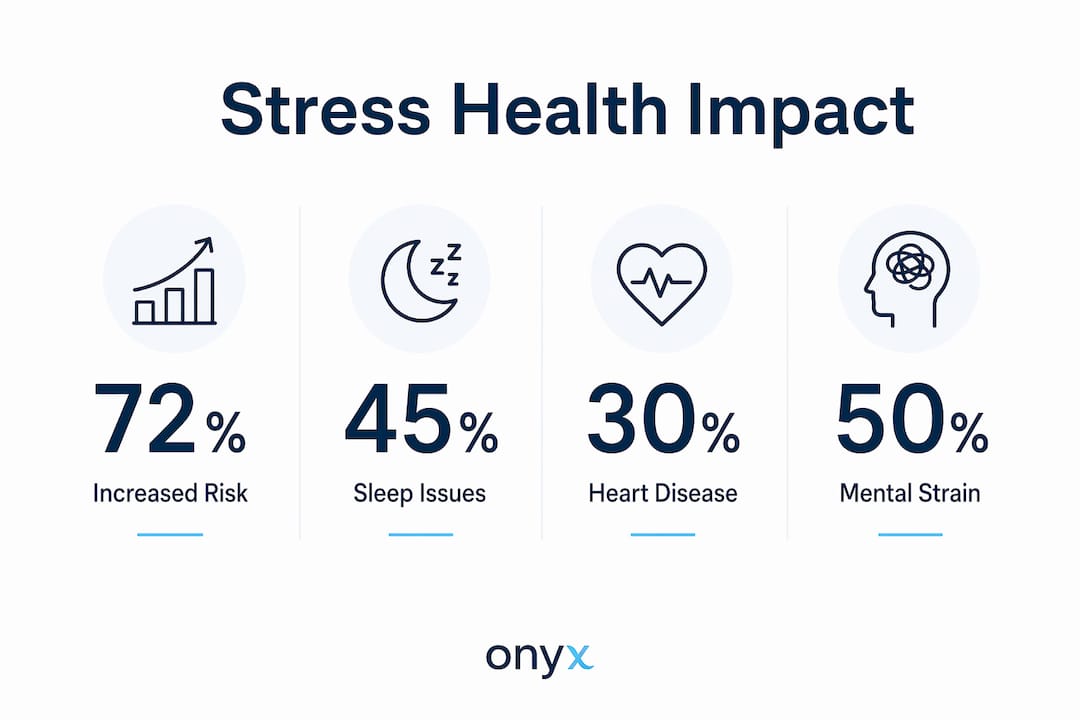
The cognitive damage is just as serious. Chronic stress impairs attention and memory, leading to more mistakes in everyday tasks like cooking, driving, or managing finances. That kind of cognitive fog compounds over time, reducing your ability to make good decisions when you need them most.
The behavioral and mental health consequences follow a predictable pattern:
- Anxiety and depression develop as the nervous system stays chronically activated.
- Social withdrawal pulls you away from the relationships that buffer stress.
- Substance misuse rises as people reach for short-term relief.
- Burnout sets in when the body runs out of reserves.
- Headaches, body pain, and sleep disturbances become the daily baseline.
The CDC links persistent unmanaged stress to all of these outcomes. Unmanaged stress also affects your skin, triggering inflammation that shows up as breakouts, redness, and accelerated aging. The body keeps score in ways you can see and feel.
How does effective stress management improve quality of life?
Managing stress well does not just remove the bad. It actively adds the good. Daily practices like meditation and deep breathing reset the body’s alarm system and improve focus, self-control, and mood. Those gains show up in your work, your relationships, and your physical health.

The physical benefits are concrete and fast. Reduced stress means fewer tension headaches, less muscle pain, and better digestion. Your immune system, which chronic stress suppresses, begins to recover. You get sick less often and bounce back faster when you do.
The relational and cognitive improvements are equally real:
- Clearer thinking leads to better decisions at work and at home.
- Improved mood makes you easier to be around and more patient with others.
- Stronger relationships form when you are not constantly depleted or irritable.
- Greater resilience means setbacks feel manageable rather than catastrophic.
Pro Tip: Start with two minutes of slow, deliberate breathing before any high-stakes conversation or task. It takes less than 120 seconds to lower your cortisol response and sharpen your focus.
The benefits of managing stress extend to sleep quality, energy levels, and even how you age. Stress is not just a mental problem. It is a whole-body problem with whole-body solutions.
What practical techniques support stress management?
The most effective stress management techniques are simple, free, and backed by research. The key is consistency, not complexity.
- Meditation and mindfulness. Even five minutes of focused attention daily recalibrates your nervous system. Apps, guided audio, or simple breath-focused sitting all work.
- Deep breathing. Slow, diaphragmatic breathing activates the parasympathetic nervous system and lowers cortisol within minutes.
- Progressive muscle relaxation. Tensing and releasing muscle groups from feet to face teaches your body to recognize and release held tension.
- Aerobic exercise. Exercise reduces cortisol and improves mood. A 20-minute walk counts. You do not need a gym.
- Yoga and tai chi. Both combine movement, breath, and focus, making them particularly effective for stress reduction.
- Sleep hygiene. Consistent sleep schedules help the body repair and regulate stress hormones overnight.
- Social connection. Time with people you trust is one of the most underrated stress buffers available.
- Boundaries. Setting limits and saying no without guilt prevents burnout before it starts.
Pro Tip: Track your stress triggers in a simple journal for one week. Patterns emerge quickly, and knowing your triggers is the first step toward choosing the right coping tool for each situation.
| Technique | Time needed | Primary benefit |
|---|---|---|
| Deep breathing | 2–5 minutes | Lowers cortisol fast |
| Meditation | 5–20 minutes | Improves focus and mood |
| Aerobic exercise | 20–30 minutes | Reduces stress hormones |
| Progressive muscle relaxation | 10–15 minutes | Releases physical tension |
| Social connection | Varies | Builds emotional resilience |
The Mayo Clinic confirms that even a few minutes of daily practice produces significant positive effects. You do not need to overhaul your life. You need to build small, repeatable habits. For a structured starting point, the evidence-based wellness routines at Onyxwellness offer a practical framework.
How can developing resilience enhance stress management?
Resilience is not a personality trait you either have or lack. Resilience is a skill developed through strategies like cognitive reframing and antifragile mindset cultivation. That distinction matters enormously. It means anyone can get better at handling stress, regardless of where they start.
“The goal is not to eliminate stress but to grow through it. An antifragile mindset treats pressure as a training stimulus, not a threat. Each difficult moment becomes data for building a stronger response next time.”
Navy SEALs offer a useful real-world model. Their training deliberately induces extreme stress, then teaches calm, decisive thinking within it. The cognitive strategies they use are not classified. They include goal setting under pressure, positive self-talk, and controlled breathing. These are tools any person can practice.
The concept of antifragility, developed by Nassim Nicholas Taleb, goes one step further than resilience. Resilience means bouncing back. Antifragility means growing stronger through stress rather than just surviving it. Applied to daily life, it means reframing a hard week not as damage but as a workout for your coping capacity.
| Approach | Core belief | Outcome |
|---|---|---|
| Avoidance | Stress is dangerous | Anxiety increases over time |
| Resilience | Stress can be survived | Returns to baseline |
| Antifragility | Stress builds capacity | Grows stronger with each challenge |
The impact of mental health on daily functioning, safety, and performance is well documented. Building resilience is the most durable investment you can make in your long-term stress response.
Key Takeaways
Effective stress management protects physical health, sharpens cognitive function, and builds the resilience needed to handle life’s inevitable pressures without breaking down.
| Point | Details |
|---|---|
| Chronic stress causes real harm | Long-term cortisol activation raises risk for heart disease, diabetes, and cognitive decline. |
| Management improves daily life | Consistent techniques improve mood, focus, immunity, and relationships. |
| Simple habits work | Deep breathing, exercise, and sleep hygiene produce measurable results in minutes per day. |
| Resilience is learnable | Cognitive reframing and antifragile thinking turn stress into a growth stimulus. |
| Prevention beats reaction | Treating stress management as daily practice stops problems before they become crises. |
Stress is biology, not weakness
I have spent years watching people wait until they are in a full health crisis before they take stress seriously. A racing heart, a panic attack, a doctor’s warning about blood pressure. That is when they finally start paying attention. The frustrating part is that the tools were always available. They just were not treated as urgent.
Stress is a biological response, not a character flaw. Your nervous system is doing exactly what it was designed to do. The problem is that modern life keeps triggering that system without giving it time to recover. Treating stress management as a daily practice, the same way you treat brushing your teeth or eating a meal, changes the entire equation.
The people I have seen handle pressure best are not the ones who feel less stress. They are the ones who have built a consistent recovery practice. They sleep on a schedule. They move their bodies. They know their triggers and they have a plan. That is not a personality type. That is a set of habits anyone can build.
Start small. Pick one technique from this article and do it every day for two weeks. The science is clear, and your body will confirm it.
— Chris
Natural support for a stressed body
Stress does not just affect your mood. It disrupts your gut, depletes your sleep, and drains your energy reserves. Onyxwellness offers targeted support for exactly these areas.
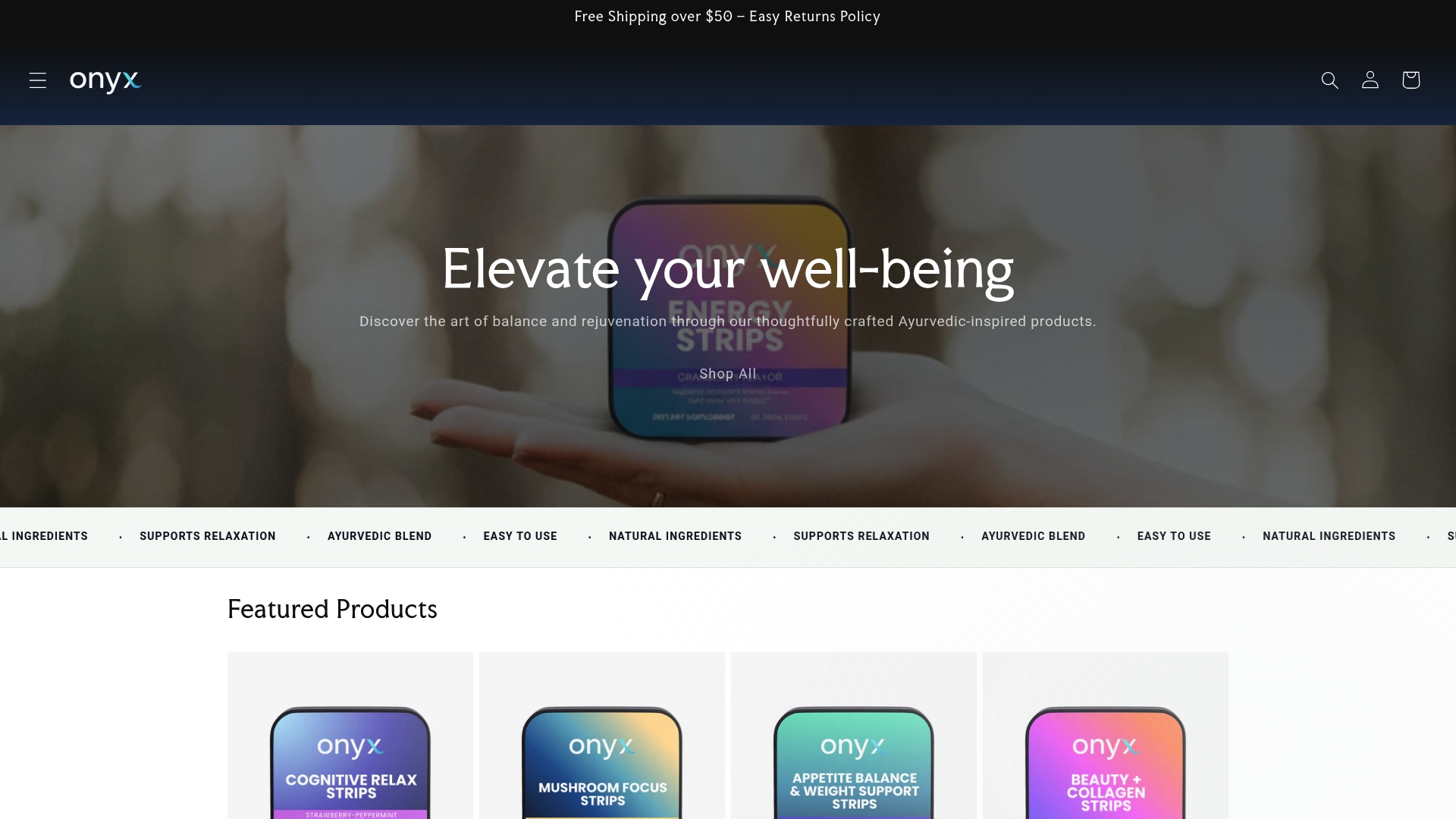
The Digestive + Gut Health Strips support the gut-brain connection that stress consistently disrupts. The Sleep Strips help restore the sleep quality that chronic stress steals. For overall vitality during high-demand periods, the Bone Support Strips and Iron Strips provide foundational nutritional support. All Onyxwellness products use fast-absorbing, dissolvable strip technology rooted in Ayurvedic tradition, designed for people who want real results without complicated routines.
FAQ
What is stress management, exactly?
Stress management is the intentional use of techniques and habits to reduce the negative effects of stress on the body and mind. The Mayo Clinic defines it as a practice that resets the body’s alarm system and supports both mental and physical well-being.
How does chronic stress affect physical health?
Chronic stress triggers prolonged release of cortisol and adrenaline, which increases the risk of heart disease, type 2 diabetes, sleep disorders, and digestive problems. The AMA identifies these as direct consequences of long-term, unmanaged stress.
What are the most effective stress management techniques?
Meditation, deep breathing, progressive muscle relaxation, aerobic exercise, and consistent sleep hygiene are the most research-supported techniques. The Mayo Clinic confirms that even a few minutes of daily practice produces significant improvements in stress levels.
Can resilience be learned, or is it a fixed trait?
Resilience is a learned skill, not a fixed trait. Harvard Health research shows that strategies like cognitive reframing and antifragile mindset development build resilience over time in any person willing to practice them.
Why does stress management matter for mental health?
Unmanaged stress is directly linked to anxiety, depression, social withdrawal, and burnout. The CDC identifies these as predictable outcomes of chronic stress, all of which improve significantly with consistent stress reduction strategies.