


TL;DR:
- Prioritizing relaxation activates the parasympathetic nervous system, lowers stress hormones, and restores body balance. Regular, environment-supported practice enhances health benefits like improved mood, immunity, and cardiovascular recovery. Rest is a physiological necessity, not a reward, requiring consistent effort to build safe, calm states.
Relaxation is a vital biological process that actively counteracts stress and restores the body’s balance. When you prioritize relaxation, you trigger the parasympathetic nervous system, which lowers cortisol, reduces heart rate, and shifts the brain into a calmer, more restorative state. This is not a luxury or a reward for finishing your to-do list. Health authorities and neuroscience researchers classify relaxation as a physiological necessity, as fundamental to your well-being as sleep or nutrition. Understanding why relaxation deserves a permanent place in your daily routine is the first step toward actually making it happen.
Why prioritize relaxation: the science behind the need
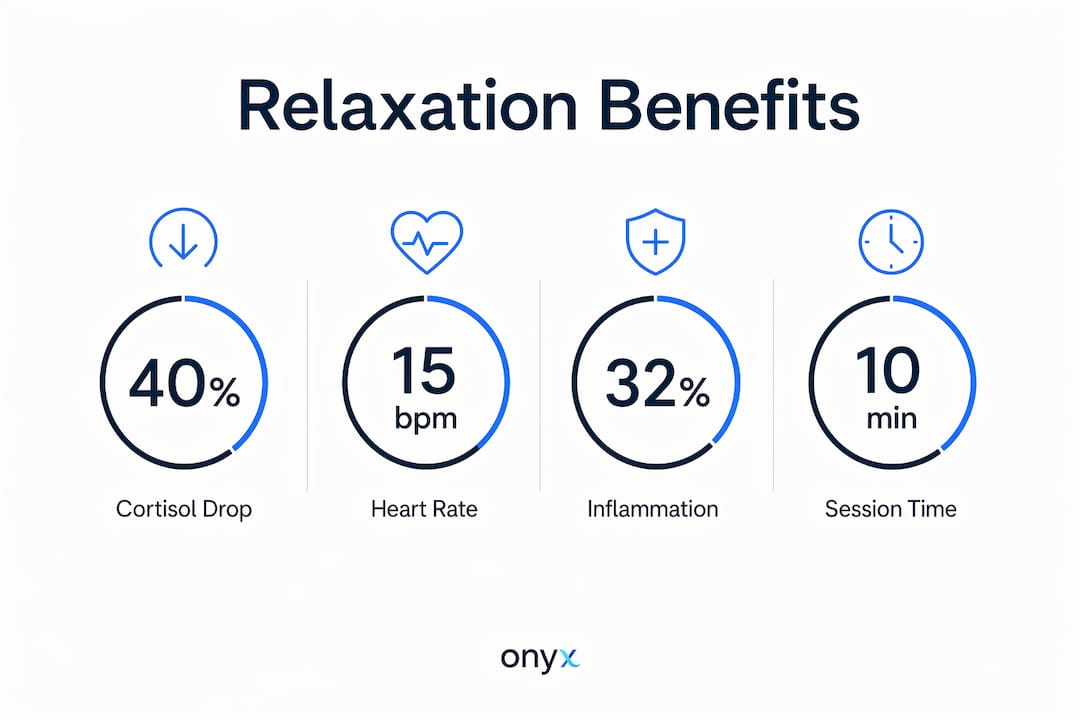
Relaxation is defined in neuroscience as the activation of the parasympathetic nervous system, which directly opposes the fight-or-flight stress response. A single 10–20-minute session lowers heart rate, blood pressure, cortisol, and oxygen consumption, with brainwave shifts that persist for up to 30 minutes afterward. That afterglow is not a feeling. It is a measurable physiological state.
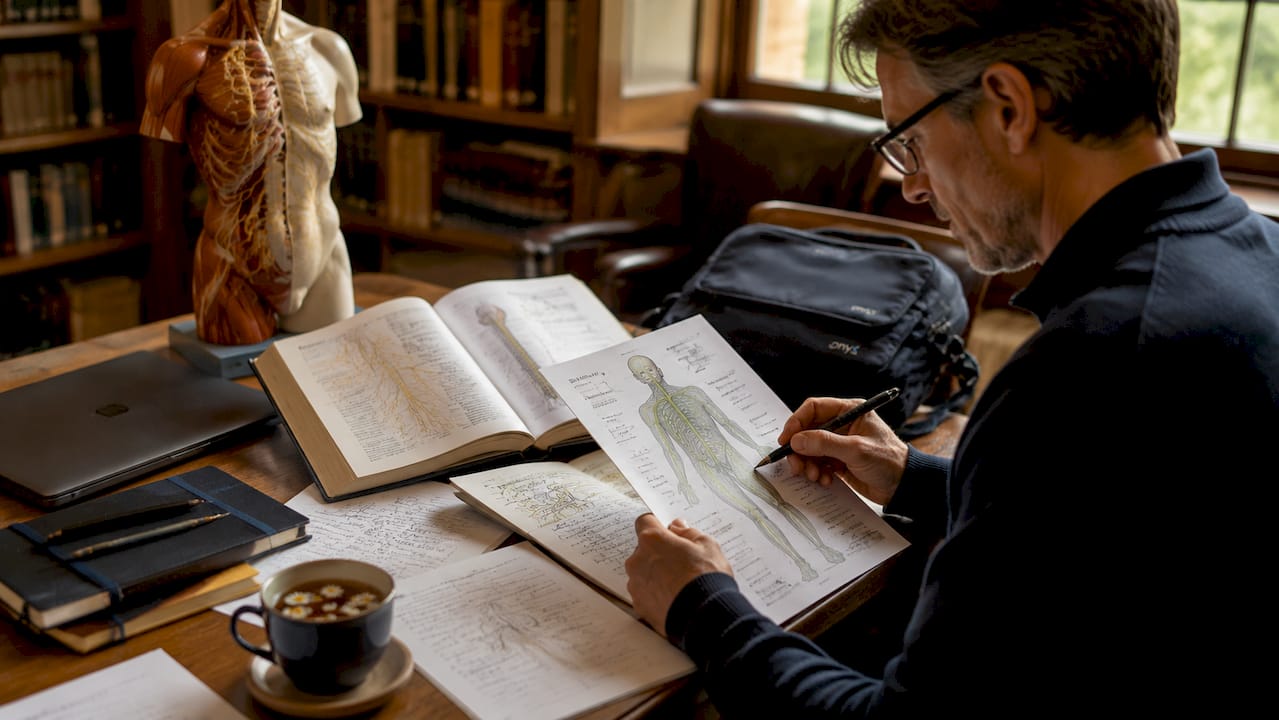
The relaxation response, a term coined by Harvard cardiologist Herbert Benson, describes this shift as alpha brainwave dominance paired with decreased metabolic demand. Your digestive system resumes normal function. Your immune system gets the resources it needs. Chronic stress suppresses both, which is why people who never truly rest get sick more often and recover more slowly.
The impact of relaxation on health extends well beyond feeling calm. Regular practice reduces systemic inflammation, supports hormonal balance, and gives your cardiovascular system a chance to recover from daily stress loads. Think of it as scheduled maintenance for your body’s most critical systems.
| Physiological Effect | What Changes During Relaxation |
|---|---|
| Heart rate | Decreases measurably within minutes |
| Blood pressure | Drops in both systolic and diastolic readings |
| Cortisol | Reduced, easing immune and digestive suppression |
| Brainwaves | Shift toward alpha dominance, signaling calm |
| Oxygen consumption | Decreases, reflecting lower metabolic demand |
Pro Tip: Set a timer for 15 minutes and do nothing stimulating. No phone, no TV, no podcast. This single habit, done daily, begins training your nervous system to access the relaxation response more easily over time.
Why do so many people struggle to actually relax?
Relaxation cannot be forced by willpower alone. Your nervous system must first predict that you are safe before it will allow a genuine shift into parasympathetic dominance. That prediction is not a conscious decision. It is an automatic, subconscious process driven by environmental cues, body signals, and past experience.
This is why lying on the couch scrolling your phone does not count as relaxation. Your nervous system is still processing a stream of stimulation and social comparison signals. The brain stays in a low-grade alert state even when the body is physically still.
Several factors keep the nervous system stuck in activation:
- Chronic overstimulation. Constant sensory input from screens, noise, and notifications keeps threat-detection circuits running continuously.
- Unresolved stress patterns. Past experiences of threat or trauma can lower the threshold at which the nervous system perceives danger, making calm states harder to reach.
- Environmental mismatch. Cluttered, loud, or socially tense spaces send cues of unsafety that block parasympathetic activation.
- Mental effort to relax. Trying harder to relax often backfires. Effort itself signals urgency to the nervous system, which is the opposite of what you need.
The importance of taking breaks becomes clearer when you understand this biology. Rest is not about willpower or discipline. It is about creating the right conditions for your nervous system to downregulate on its own.
Pro Tip: Before a relaxation session, spend two minutes in a quiet, tidy space with dim lighting. These environmental cues signal safety to your nervous system and make it significantly easier to shift into a calm state.
How to prioritize relaxation in a busy lifestyle
Embedding genuine rest into a full schedule requires structure, not motivation. Motivation fluctuates. Structure holds.
- Schedule microbreaks before you need them. Proactive scheduling of breaks before fatigue sets in protects cognitive function far better than waiting until you feel drained. By the time you notice mental fatigue, performance has already declined.
- Use a five-minute movement break every hour. Research shows that five-minute hourly breaks substantially reduce fatigue and improve mood without hurting work output. Walking, stretching, or light movement counts.
- Practice Progressive Muscle Relaxation (PMR). PMR involves tensing and releasing muscle groups sequentially, teaching the body to recognize and release held tension. Regular PMR practice reduces chronic pain by 40–50% and lowers blood pressure over a four-week period in adults with hypertension.
- Use a focused attention anchor. Techniques like breath awareness, body scanning, or silent mantra repetition all work by combining focused repetitive attention with a passive attitude toward thoughts. This combination is the common mechanism behind meditation, yoga, and deep breathing.
- Protect downtime from passive stimulation. Filling rest periods with TV or social media replaces one form of cognitive load with another. Doing nothing during rest is critical for memory consolidation and mental recovery.
| Relaxation Method | Best For | Time Required |
|---|---|---|
| PMR | Chronic tension, pain, high blood pressure | 15–20 minutes |
| Breath focus | Acute stress, quick reset | 5–10 minutes |
| Movement break | Midday fatigue, mood dip | 5 minutes |
| Body scan | Sleep preparation, nervous system reset | 10–15 minutes |
| Quiet rest (no input) | Memory consolidation, creative recovery | 10–20 minutes |
The Ayurvedic relaxation guide from Onyxwellness offers a practical framework for weaving these techniques into daily life using principles that have supported well-being for thousands of years.
What are the broader benefits of relaxation beyond stress relief?
The benefits of relaxation reach well past feeling less anxious. Regular rest reshapes how your brain and body function across every domain of health.
- Memory and learning. Quiet rest improves memory for new information by giving the brain time to process and consolidate what it has absorbed. Students and professionals who build in rest periods retain more than those who push through without breaks.
- Mood regulation. Relaxation reduces the reactivity of the amygdala, the brain’s threat-detection center. This means you respond to frustration and setbacks with more steadiness and less emotional flooding.
- Productivity and accuracy. Scheduled rest prevents the rise in error rates that comes with sustained cognitive effort. Breaks are not time away from work. They are part of what makes work good.
- Chronic pain and blood pressure. PMR and other relaxation techniques produce clinically significant reductions in both chronic pain and hypertension over weeks of consistent practice.
- Immune function and sleep quality. Regular relaxation practice reduces anxiety, improves sleep quality, and supports immune function by lowering the cortisol load that suppresses these systems.
The reasons to relax regularly are not abstract. Each benefit listed above has a direct, measurable mechanism. Rest is not passive. It is one of the most productive things your body can do.
Key Takeaways
Prioritizing relaxation is a biological necessity, not a lifestyle preference, because the parasympathetic nervous system requires deliberate activation to counteract chronic stress and restore physical and mental health.
| Point | Details |
|---|---|
| Relaxation is physiological | A 10–20 minute session measurably lowers cortisol, heart rate, and blood pressure. |
| Willpower alone does not work | The nervous system needs felt safety and environmental cues to downregulate. |
| Schedule breaks proactively | Waiting until fatigue hits is too late to prevent cognitive decline and errors. |
| PMR delivers clinical results | Four weeks of practice reduces chronic pain by 40–50% and lowers blood pressure. |
| Downtime must be stimulus-free | Passive entertainment during rest blocks memory consolidation and mental recovery. |
Relaxation is not something you earn
Here is the thing that took me a long time to accept: relaxation is not a reward for productivity. That framing is everywhere in wellness culture, and it is quietly harmful. When you treat rest as something you deserve only after finishing enough, you guarantee that genuine recovery never comes. There is always more to finish.
What I have found, both personally and in watching others work through this, is that the people who resist relaxation most are often the ones who need it most urgently. The nervous system under chronic load starts to read stillness as threat. Sitting quietly feels wrong, even dangerous. That is not a character flaw. It is a physiological pattern, and it responds to gradual, consistent practice.
The role of relaxation routines in long-term health is well-documented, but the practical truth is simpler: you cannot think your way into a relaxed state. You have to build the conditions for it, repeatedly, until your nervous system learns that calm is safe. Start with five minutes. Do it the same time each day. Do not judge the quality of the session. Just show up for it.
The Ayurvedic tips for relaxation from Onyxwellness align well with this approach. Ancient systems understood that recovery is built into the rhythm of the day, not bolted on at the end of it.
— Chris
How Onyxwellness supports your relaxation routine
Building a consistent relaxation practice works best when your body has the nutritional support it needs to recover fully.
Onyxwellness offers Ayurvedic-inspired supplements designed to complement the physiological changes that relaxation produces. The Sleep Strips are formulated to support restful, restorative sleep, which is the deepest form of relaxation your body accesses each night. The Digestive and Gut Health Strips support the digestive system that relaxation helps restore after stress suppresses it. Both products use fast-absorbing, dissolvable strip technology, so there is no water needed and no complicated routine to maintain. They fit into the kind of simple, consistent daily practice that actually sticks.
FAQ
What does it mean to prioritize relaxation?
Prioritizing relaxation means scheduling deliberate rest as a non-negotiable part of your daily routine, not as a reward for finishing tasks. It involves creating the physiological conditions for parasympathetic nervous system activation through techniques like breath focus, PMR, or quiet rest.
How long does a relaxation session need to be?
A session of 10–20 minutes is enough to measurably lower heart rate, blood pressure, and cortisol, with benefits persisting for up to 30 minutes after the session ends. Consistency matters more than duration.
Why is relaxation essential for mental health?
Relaxation reduces cortisol, lowers amygdala reactivity, and supports memory consolidation, all of which directly improve mood stability, emotional resilience, and cognitive clarity. Without regular rest, the nervous system stays in a state of chronic low-grade activation that erodes mental health over time.
Can relaxation improve productivity?
Scheduled rest prevents the rise in error rates that comes with sustained cognitive effort. Research shows that proactive microbreaks maintain work quality better than pushing through fatigue.
What relaxation techniques work best for stress?
Techniques including PMR, breath focus, body scanning, and mantra-based meditation all produce similar physiological responses by combining focused attention with a passive attitude toward thoughts. Five-minute movement breaks every hour also reduce fatigue and improve mood without affecting work output.