


TL;DR:
- Ayurvedic wellness offers personalized, holistic care based on individual constitution and imbalances. It emphasizes prevention, seasonal adaptation, and addressing root causes of stress, digestion, and chronic conditions. Modern science validates its approach through research on microbiome and pharmacogenomics, making it a practical complement to conventional treatment.
Ayurvedic wellness is a personalized, natural health system built on balancing body, mind, and spirit through constitution-based care rather than suppressing symptoms. Rooted in a tradition spanning thousands of years, Ayurveda has grown into the world’s most widely practiced traditional medicine system, with around 1 billion practitioners globally as of 2026. That scale reflects something important: people are not turning to Ayurveda out of trend-chasing. They are turning to it because conventional approaches often leave chronic fatigue, digestive distress, and stress-related symptoms without a satisfying answer. If you are exploring why choose ayurvedic wellness, the short answer is this: it treats you as a whole person, not a set of symptoms.
Why choose ayurvedic wellness over other natural health approaches?
Ayurveda stands apart from both conventional medicine and typical spa-style natural wellness because it builds care around your individual constitution, called Prakriti, and your current state of imbalance, called Vikriti. Conventional medicine excels at acute care and diagnosis but often struggles with functional or chronic conditions that do not show up clearly on lab tests. Spa-oriented wellness, on the other hand, offers relaxation without a clinical framework for lasting change.

Ayurveda fills that gap by addressing root causes rather than surface symptoms. If you experience recurring bloating, low energy, or anxiety, Ayurveda does not just prescribe a generic herb. It maps those symptoms to your specific constitution and current imbalances, then designs a plan covering diet, sleep, movement, and stress management together.
The system is also dynamic. It adjusts recommendations across seasons, life stages, and daily rhythms. A Vata-dominant person (air and space constitution) needs different dietary support in dry winter months than in humid summer. That responsiveness is something most wellness frameworks simply do not offer.
Pro Tip: Before trying any Ayurvedic herb or protocol, identify your Prakriti first. Using the wrong herb for your constitution can create new imbalances rather than resolve existing ones.
| Feature | Ayurvedic wellness | Conventional medicine | Generic natural wellness |
|---|---|---|---|
| Focus | Whole person: body, mind, digestion, sleep | Diagnosis and symptom treatment | Relaxation or general health |
| Personalization | Constitution and imbalance-based | Condition-based | Minimal |
| Prevention | Central to the framework | Secondary to treatment | Varies |
| Seasonal adaptation | Built in | Rarely addressed | Rarely addressed |
What are the scientifically supported benefits of Ayurvedic treatment?
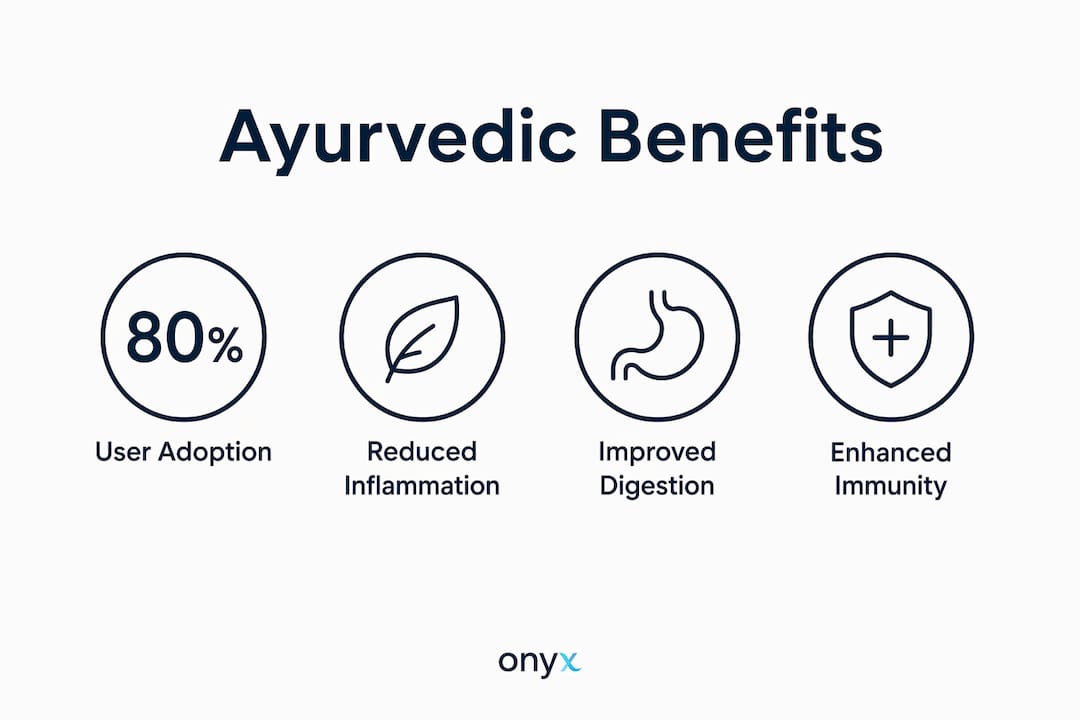
The benefits of Ayurvedic treatment are not limited to ancient texts. Modern research is actively catching up. Pharmacogenomics and microbiome science are now validating what Ayurveda has practiced for centuries: that individual biology shapes how people respond to food, herbs, and lifestyle changes. That alignment between ancient clinical frameworks and modern personalized medicine is not coincidental.
Here is what the evidence and clinical experience consistently show:
- Stress and anxiety reduction. Meditation, herbs, and yoga calm the nervous system and reduce stress markers measurably. Practices like pranayama (breathwork) lower cortisol and support emotional balance without pharmaceutical side effects.
- Digestive health. Ayurveda treats digestion, called Agni, as the foundation of all health. Dietary tailoring to constitution improves gut function, reduces bloating, and supports gut microbiome balance in ways that generic probiotic advice cannot match.
- Chronic condition support. Ayurvedic approaches scale well for chronic disease prevention compared to high-cost interventions, making them accessible for long-term management of conditions like type 2 diabetes, inflammatory disorders, and fatigue syndromes.
- Mental clarity and sleep. Herbs like Ashwagandha and Brahmi have documented adaptogenic effects, supporting cognitive function and restful sleep without dependency.
- Prevention before disease. Ayurveda emphasizes detecting subtle imbalances before they become diagnosable conditions. That early-warning framework is one of its most underappreciated advantages.
In India and Nepal, up to 80% of the population reports using Ayurveda for health and wellness. That level of adoption in regions with both traditional and modern medical access tells you this system delivers results people trust across generations.
How do you begin and sustain Ayurvedic wellness in daily life?
Starting Ayurvedic wellness the right way means beginning with a proper assessment, not a random herb purchase. A personalized Ayurvedic consultation typically lasts 30–60 minutes and covers medical history, digestion patterns, sleep quality, stress levels, and lifestyle habits. That depth of intake is what separates Ayurveda from generic wellness advice.
Once you understand your constitution and current imbalances, daily practice becomes the vehicle for lasting change. These are the core steps for building a sustainable Ayurvedic routine:
- Start with Dinacharya. Daily Ayurvedic lifestyle routines like tongue scraping, oil pulling, and a constitutionally appropriate morning meal set the tone for your entire day. These are not optional extras. They are the foundation.
- Tailor your diet to your constitution. A Pitta-dominant person (fire and water) benefits from cooling foods like cucumber, coconut, and leafy greens. A Kapha-dominant person (earth and water) needs lighter, spicier foods to maintain energy and metabolic balance.
- Add mindful movement. Yoga and walking are Ayurvedic staples, but the type and intensity should match your constitution. Vata types need grounding, gentle movement. Pitta types benefit from cooling, moderate exercise. Kapha types thrive with vigorous, energizing activity.
- Use herbs with guidance. Incorrect herb choices without qualified assessment carry real risk. Individual constitution and current imbalance must guide every herbal recommendation. Do not self-prescribe based on general wellness content alone.
- Adapt across seasons. Ayurveda’s dynamic balance principle means your routine shifts with the seasons and life stages. What works in spring may actively aggravate imbalances in late autumn.
Pro Tip: Pair your Ayurvedic daily vitality tips with a simple tracking habit. Note your energy, digestion, and sleep quality each morning for two weeks. Patterns will emerge that help you and your practitioner refine your plan faster.
The biggest mistake people make is approaching Ayurveda with a quick-fix mindset. This system rewards consistency and self-awareness over time, not overnight results.
What role does Ayurveda play in addressing modern lifestyle challenges?
Modern life overstimulates two doshas in particular: Vata (air and space) through constant digital input, irregular schedules, and multitasking, and Pitta (fire) through competitive pressure, inflammation-triggering diets, and poor sleep. The result is the cluster of symptoms many people recognize: anxiety, burnout, digestive distress, and chronic fatigue. Many individuals seeking Ayurveda do so precisely because conventional testing finds nothing wrong, yet they feel consistently unwell.
Ayurveda offers a framework for listening to subtle bodily signals before they become diagnosable problems. That preventive orientation is one of the most practical tools available for modern health management. Consider how it addresses specific contemporary challenges:
- Stress and burnout. Breathwork, adaptogenic herbs, and sleep scheduling directly counter the chronic sympathetic nervous system activation that drives burnout.
- Digestive distress. Ayurvedic dietary principles address the root of irritable bowel patterns, bloating, and irregular appetite without relying solely on elimination diets or pharmaceuticals.
- Sleep disruption. Evening routines, specific oils, and herbal support calm Vata-driven racing thoughts that prevent restful sleep.
- Emotional balance. Ayurveda treats emotional health as inseparable from physical health. Practices like meditation and self-massage (Abhyanga) reduce anxiety and build resilience over time.
- Integrative care compatibility. Ayurveda complements functional medicine for chronic symptoms rather than replacing it. Many integrative practitioners now combine both frameworks for complex cases.
The goal Ayurveda sets is not perfection. It is dynamic adaptability and resilience, the ability to respond well to your environment, season, and life stage rather than chasing a fixed health ideal. That framing alone is a relief for many people exhausted by wellness culture’s obsession with optimization.
Key Takeaways
Ayurvedic wellness works because it addresses root imbalances through personalized, constitution-based care rather than suppressing individual symptoms.
| Point | Details |
|---|---|
| Personalization is the core | Prakriti and Vikriti assessment guides every diet, herb, and lifestyle recommendation. |
| Prevention over treatment | Ayurveda detects subtle imbalances before they become diagnosable conditions. |
| Daily routines drive results | Dinacharya practices like tongue scraping and dietary tailoring build lasting wellness. |
| Modern science supports it | Pharmacogenomics and microbiome research validate Ayurveda’s personalized approach. |
| Qualified guidance matters | Herb and diet choices without proper assessment can create new imbalances. |
Ayurveda is deeper than most people realize
Most people encounter Ayurveda through a spa menu or a turmeric latte. That surface-level exposure is fine as an entry point, but it misses what makes this system genuinely worth your time and attention.
What I find most compelling about Ayurveda is its insistence on self-knowledge as a health tool. You cannot apply it well without understanding your own constitution, your current imbalances, and how your body responds to food, stress, and seasons. That level of self-awareness is rare in any wellness framework, and it pays dividends well beyond Ayurveda itself.
The mindset shift from “fix this symptom” to “build resilience and adaptability” is the hardest part for most people. We are conditioned to want fast answers. Ayurveda asks you to slow down, observe, and work with your body rather than against it. That is not a weakness of the system. It is the point.
My honest recommendation: find a qualified Ayurvedic practitioner for your initial assessment, even if you plan to manage your routine independently afterward. The natural wellness tips and lifestyle practices you read about online are genuinely useful, but they land differently when they are calibrated to your specific constitution. The investment in that first consultation shapes everything that follows.
— Chris
Onyxwellness products aligned with Ayurvedic wellness principles
Onyxwellness brings Ayurvedic-inspired wellness into everyday life through natural, fast-absorbing supplement strips designed for people who want real support without complicated routines.

If digestive health is your focus, the Digestive + Gut Health Strips offer targeted support rooted in Ayurvedic digestive principles. For those working on metabolic balance and gut microbiome health, the Probiotic + Metabolism Strips are worth exploring. And if sleep is the missing piece in your wellness routine, the Sleep Strips provide gentle, natural support for restful nights. Every Onyxwellness product is formulated with transparency and quality at the center, making it easier to build consistent daily habits that actually stick.
FAQ
What is Ayurvedic wellness?
Ayurvedic wellness is a personalized health system from ancient India that balances body, mind, and spirit through constitution-based diet, lifestyle, herbs, and mindful practices. It focuses on preventing imbalance and building long-term resilience rather than treating isolated symptoms.
How does Ayurveda differ from conventional medicine?
Conventional medicine excels at diagnosing and treating acute conditions, while Ayurveda addresses root causes of chronic and functional imbalances through individualized care. The two approaches complement each other well in integrative health settings.
How long does it take to see results from Ayurvedic wellness?
Results vary by individual and condition, but most people notice meaningful changes in digestion, energy, and stress levels within four to eight weeks of consistent practice. Deeper constitutional shifts take longer and benefit from ongoing practitioner guidance.
Is Ayurveda safe to practice without a practitioner?
Basic lifestyle practices like dietary adjustments, sleep routines, and gentle yoga are generally safe to explore independently. However, herb and diet choices without a proper Prakriti and Vikriti assessment carry real risk of creating new imbalances.
Can Ayurveda help with stress and mental health?
Yes. Ayurvedic practices including meditation, breathwork, and adaptogenic herbs calm the nervous system and reduce stress markers. These tools are particularly effective for anxiety, burnout, and sleep disruption linked to modern lifestyle overstimulation.