


Holistic health means caring for your whole self — physical, mental, emotional, social, and spiritual — rather than treating isolated symptoms. The Global Wellness Institute frames wellness as an active, ongoing pursuit of choices that create health, not just the absence of disease. Think of it less like a destination and more like a daily practice you build over time.
- Physical: sleep, nutrition, movement, and energy levels
- Mental/emotional: stress management, mood regulation, and self-awareness
- Social/spiritual: meaningful relationships, purpose, and connection to something larger than yourself
Table of Contents
- What is holistic health, really? The core principles
- How does holistic health differ from conventional medicine?
- Common holistic modalities and what the evidence says
- How to start a personalized holistic routine this week
- Do supplements fit into a holistic plan?
- Safety checkpoints before you add anything new
- How to find a qualified holistic-minded provider
- Key Takeaways
- A perspective on what holistic health actually demands
- Onyxwellness products that support your holistic routine
- Useful sources for deeper reading
- FAQ
What is holistic health, really? The core principles
Five principles show up consistently across major models, from the National Wellness Institute to the VA’s Whole Health program.
- Interconnectedness: your body, mind, and spirit affect each other constantly. Prolonged grief, for example, can produce real physical symptoms like fatigue and stomach pain because emotional and physical pain share overlapping brain regions.
- Salutogenic focus: instead of waiting for disease, a whole-person approach asks what creates health upstream — sleep quality, chronic stress, hydration, and daily habits.
- Person-centered care: your life mission, values, and social context shape the plan. The VA’s Whole Health model explicitly aligns care with what matters most to each person.
- Personalization: a six-dimensional model (physical, mental, emotional, spiritual, social, occupational) from the National Wellness Institute recognizes that no two people need the same combination of support.
- Resilience building: the goal is not perfection but a system that bends without breaking.
Pro Tip: When evaluating any “holistic” program, ask whether it starts with your values and goals or hands you a generic protocol. Real personalization means your life mission shapes the plan, not the other way around.
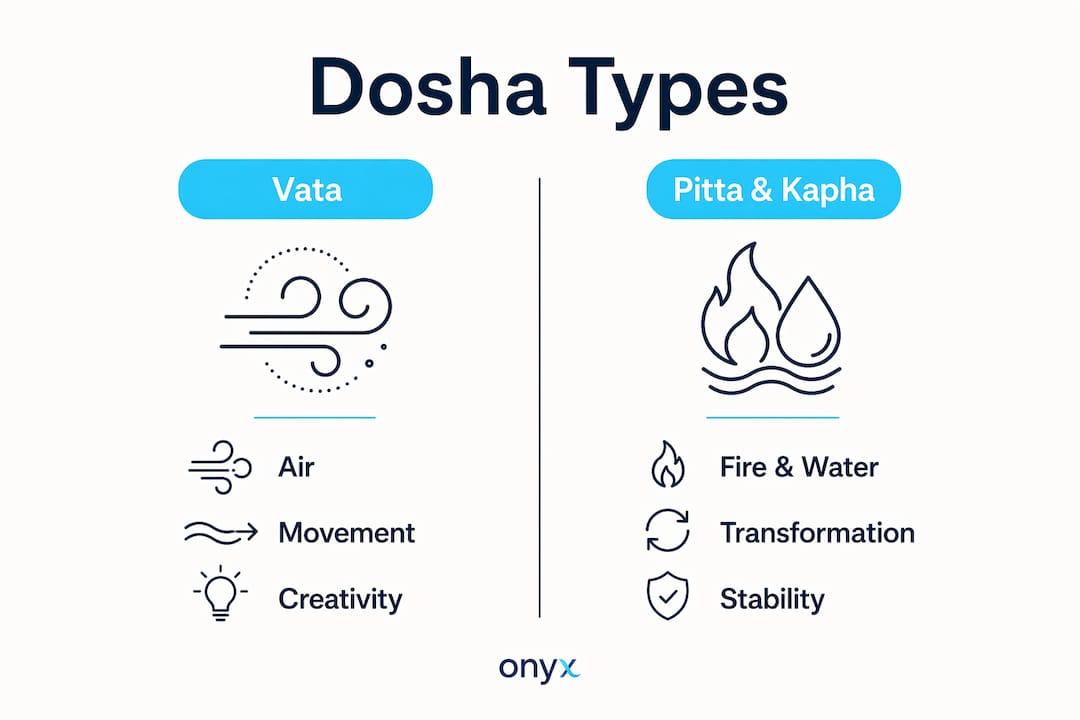
Ayurveda maps naturally onto these principles. Its dosha framework (Vata, Pitta, Kapha) is essentially a personalization system, guiding dietary habits, daily routines, and herbal choices based on individual constitution. You can explore how Ayurvedic wellness maps to whole-body health for a deeper look at that connection.
How does holistic health differ from conventional medicine?
Conventional healthcare is largely pathogenic: it responds to disease once it appears. Whole-person wellness is salutogenic: it actively builds health before problems arise. Both have a role, and the smartest approach uses them together.
Integrative medicine is the formal term for that blend. It combines standard clinical care with evidence-based complementary practices like yoga, clinical nutrition, mindfulness, and acupuncture. Programs run by the VA and Department of Defense show that coordinating conventional and whole-health care produces better resilience and outcomes than either approach alone.
“Healthcare often refers to the conventional approach — a standardized system using science-based practices. Wellness refers to an alternative approach which addresses the whole person and vastly depends on how we as humans view and live our lives. The integration of both can help us better manage our overall health, reduce our chances of potential diseases, and allow us to thrive.” — Providence Health
Timeline and cost reality: most people notice measurable shifts in sleep, mood, digestion, or energy within 4–12 weeks of consistent habit changes. Self-care habits (sleep hygiene, daily movement, dietary adjustments) cost little beyond time. Paid integrative programs, registered dietitian consultations, or clinical herbalist sessions typically run $75–$200 per visit, though telehealth options have made access more affordable.
Common holistic modalities and what the evidence says
Integrative medicine draws from a wide toolkit. Here is a quick-reference breakdown with evidence notes and use cases:
- Sleep hygiene: strong evidence for recovery, mood, and metabolic health. Use when energy crashes or focus suffers.
- Nutrition: foundational evidence across nearly every health outcome. Ayurvedic dietary habits (warm, cooked foods; spice-forward cooking; meal timing) add a personalization layer based on dosha type.
- Movement/yoga: solid evidence for stress reduction, flexibility, and mental clarity. Yoga specifically supports both physical alignment and breath-based nervous system regulation.
- Mindfulness/meditation: the American Psychological Association links mindfulness to reduced pain perception, lower depression, and improved immune markers. Use for stress, anxiety, and focus.
- Herbal support: evidence varies by herb. Ashwagandha, for example, has clinical backing for stress and cortisol reduction. Always check for drug interactions before adding any botanical. For Ayurvedic mental clarity practices, evidence-based herb guidance is available.
- Counseling/therapy: strong evidence for emotional regulation, trauma processing, and behavioral change. Integrative psychiatry combines this with whole-person mental health care.
- Social connection: researchers have found that strong social networks correlate with longer, healthier lives. Loneliness, by contrast, raises risk for dementia and cardiovascular disease.
- Environmental factors: light exposure, air quality, and daily routine structure all influence circadian rhythm and stress response.
How to start a personalized holistic routine this week
You do not need a complete lifestyle overhaul. Four steps get you moving without the overwhelm.
- Quick self-assessment: rate yourself 1–5 on sleep, stress, digestion, energy, mood, and social connection. Your lowest scores are your starting point.
- Set 1–2 priorities aligned to your values: if mental clarity matters most for your work, sleep and stress management come first. If physical vitality is the goal, nutrition and movement take priority.
- Adopt 2 low-effort daily habits: pick something you can do in under 10 minutes. A consistent bedtime, a 10-minute walk, a warm Ayurvedic spiced drink in the morning, or a brief breathing exercise all count. Small and consistent beats intense and sporadic.
- Monitor and iterate over 4–12 weeks: keep a simple log of the two habits and how you feel each week. Adjust one variable at a time so you know what is actually working.
Priority checklist:
- Sleep quality and consistency
- Stress levels and emotional regulation
- Digestion and gut comfort
- Energy and focus throughout the day
Pro Tip: The biggest barrier is usually all-or-nothing thinking. If you miss a day, you have not failed — you have just paused. Treat the routine like a sustainable wellness workflow, not a punishment.
Do supplements fit into a holistic plan?
Supplements support your habits; they do not replace them. That said, the right supplement in the right format can meaningfully improve adherence, especially when timing or convenience is the barrier.
Dissolvable oral strips are one modern example. They absorb quickly through the oral mucosa, require no water, and fit easily into a busy morning or pre-sleep routine. For Ayurvedic-inspired botanicals, this delivery format makes it easier to stay consistent without adding friction to your day. Supplement transparency is what separates products worth taking from ones worth skipping.
“Clinicians and clinical herbalists recommend integrating fast-absorption delivery formats when adherence or acute symptom timing matters — this is an implementation, not a replacement for lifestyle measures.” — Health.com
Supplement quality checklist:
- Third-party testing with a certificate of analysis
- Full ingredient disclosure (no proprietary blends that hide doses)
- Clear, evidence-referenced dosing
- Allergen labeling
- No added sugar or unnecessary fillers
- Clinician consultation if you take prescription medications
Safety checkpoints before you add anything new
Most holistic practices are low-risk when applied sensibly. A few rules keep you on the right side of that line.
- Check herb-drug interactions before starting any botanical (use the NIH’s NCCIH database or ask a pharmacist).
- Consult your doctor if you are pregnant, nursing, or managing a chronic condition.
- Never stop a prescribed medication to try a supplement instead.
- Use only third-party tested products.
- Start with the lowest suggested dose and monitor for two weeks before increasing.
Red flag: chest pain, sudden severe headache, difficulty breathing, or any symptom that appears acutely after starting a new supplement requires immediate medical attention, not a wait-and-see approach.
Bring a current medication list, a symptoms timeline, and any recent lab results to your first integrative appointment. That information helps a clinician spot interaction risks before they become problems.
How to find a qualified holistic-minded provider
Credentials to look for: a licensed MD, DO, or NP with integrative medicine training; a registered dietitian (RD or RDN); or a clinical herbalist with formal training. Telehealth platforms have expanded access significantly, so geography is less of a barrier than it used to be. Personalized wellness programs that include whole-person coaching and testing are another route worth exploring.
Questions to ask at a first appointment:
- How do you coordinate care with my primary care physician?
- What evidence supports the practices you recommend?
- How do you screen for supplement-medication interactions?
- How will you personalize this plan to my goals and values?
- What changes should I realistically expect in the first 4–12 weeks?
- What does a typical course of care cost, and what is covered by insurance?
- How do you define success for someone with my health profile?
- What lifestyle factors do you prioritize first?
Key Takeaways
Whole-person wellness is an active daily practice, not a destination, and consistent small habits over 4–12 weeks produce more lasting change than any short-term intensive fix.
| Point | Details |
|---|---|
| Definition | Holistic health addresses physical, mental, emotional, social, and spiritual dimensions as interconnected. |
| Core principle | Salutogenic focus means building health upstream, not just treating symptoms after they appear. |
| Timeline | Most people see measurable shifts in sleep, mood, or energy within 4–12 weeks of consistent habit changes. |
| Supplement quality | Look for third-party testing, full ingredient disclosure, clear dosing, and no added sugar. |
| Onyxwellness | Onyxwellness offers Ayurvedic-inspired, sugar-free dissolvable strips designed for fast absorption and daily adherence. |
A perspective on what holistic health actually demands
Most people come to whole-person wellness looking for a better supplement or a smarter morning routine. That is a fine starting point, but it misses the harder ask: genuine personalization requires you to look at your values, not just your symptoms.
The VA’s Whole Health model gets this right. It does not ask “what is wrong with you?” It asks “what matters to you?” That reframe changes everything, because a sleep protocol built around your actual life sticks in a way that a generic one never will.

The Ayurvedic tradition understood this long before modern medicine caught up. Dosha-aware routines are not superstition; they are an early personalization framework that accounts for individual constitution, seasonal variation, and daily rhythm. Pairing that wisdom with modern delivery technology, like fast-absorbing strips that fit a 6 AM commute, is not a compromise of tradition. It is what makes tradition usable.
Where people go wrong is treating holistic health as an all-or-nothing identity. You do not have to choose between your cardiologist and your herbalist. The goal is coordination, not conversion.
Onyxwellness products that support your holistic routine
If you have done the self-assessment and identified sleep, digestion, or recovery as your first priorities, Onyxwellness has products built specifically for those use cases.
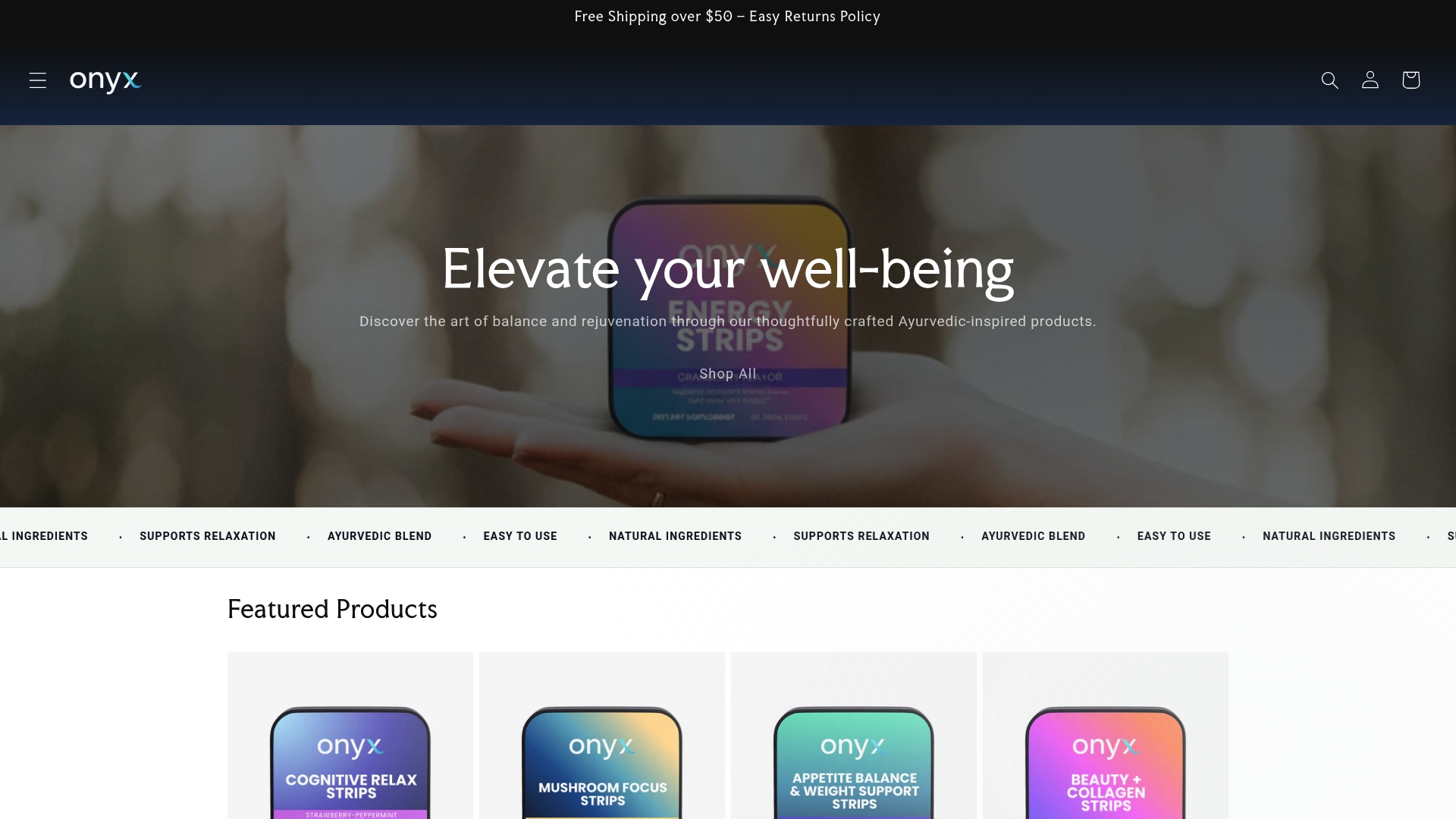
Sleep Strips are sugar-free, fast-absorbing dissolvable strips formulated with Ayurvedic-inspired botanicals to support your wind-down routine. No water needed, no capsules to swallow at midnight. Digestive + Gut Health Strips bring the same convenience to gut support, dissolving quickly for those moments when digestion needs a nudge after a heavy meal or a stressful day. For occasional recovery needs, Hangover Strips offer a fast-acting option without artificial sweeteners or hidden fillers.
Every Onyxwellness product is built around the quality checklist covered above: transparent ingredients, clear dosing, and no added sugar. Browse the full collection to find the right fit for your routine. For complex health conditions or prescription medications, consult your clinician before adding any supplement.
Useful sources for deeper reading
- Global Wellness Institute — What Is Wellness?: foundational definitions of wellness as an active, proactive pursuit.
- NCCIH — Whole Person Health: U.S. government overview of biological, behavioral, social, and environmental health factors.
- NCBI Bookshelf — Defining Whole Health: VA/DoD framework for person-centered, upstream-focused care.
- WebMD — What Is Holistic Medicine?: accessible overview of integrative medicine and complementary therapies.
- Health.com — Holistic Health: Definition, Benefits, Tips: practitioner-level guidance on modalities and supplement integration.
- Providence Health — Holistic Approach to Living Well: clinical perspective on the five dimensions and their physical-emotional connections.
- Emory Healthcare — Holistic Health: Promoting Wellness in Body, Mind and Spirit: hospital-based explanation of whole-person primary care.
- BiologyInsights — What Is a Holistic Lifestyle?: practitioner guidance on upstream habits and gentle, sustainable change.
This article is for general informational purposes only, not medical advice. Confirm any health decisions with a qualified clinician for your specific situation.
FAQ
What is holistic health in simple terms?
Holistic health means treating the whole person — body, mind, emotions, and spirit — rather than just a single symptom or condition. The Global Wellness Institute describes it as an active, ongoing pursuit of choices that build health across all dimensions of life.
How is holistic health different from conventional medicine?
Conventional medicine is largely reactive, addressing disease after it appears. Whole-person wellness is proactive, focusing on upstream habits like sleep, nutrition, and stress management to prevent problems before they start. Integrative medicine combines both approaches.
How long does it take to see results from holistic practices?
Most people notice measurable shifts in sleep, mood, digestion, or energy within 4–12 weeks of consistent habit changes. Consistency matters more than intensity.
Are dissolvable strips a legitimate holistic supplement format?
Yes. Fast-absorption oral strips deliver botanicals efficiently and improve daily adherence, which is one of the biggest barriers to any supplement routine. Onyxwellness Sleep Strips and Digestive + Gut Health Strips are examples of this format applied to Ayurvedic-inspired formulas.
When should I consult a clinician about holistic practices?
Consult a licensed clinician before starting herbal supplements if you take prescription medications, are pregnant or nursing, or manage a chronic condition. Bring your full medication list and a symptoms timeline to that first appointment.