


TL;DR:
- A comprehensive hangover prevention approach combines moderation, hydration, targeted nutrition, and Ayurvedic supplements for best results. Consistently pacing alcohol intake, staying hydrated, and choosing light spirits reduce symptoms, while timely herbal support enhances recovery efforts. Personal tracking and tailored routines outperform generic protocols, promoting long-term wellness and functional mornings.
The most effective wellness workflow for hangover prevention combines four pillars: moderation, pacing, hydration, and targeted supplementation. No single trick eliminates a hangover, but a structured, personalized approach built around your own biology gets you as close as possible. According to the Cleveland Clinic’s 2026 consensus, symptoms resolve within 24 hours, and prevention remains far more effective than any after-the-fact remedy.
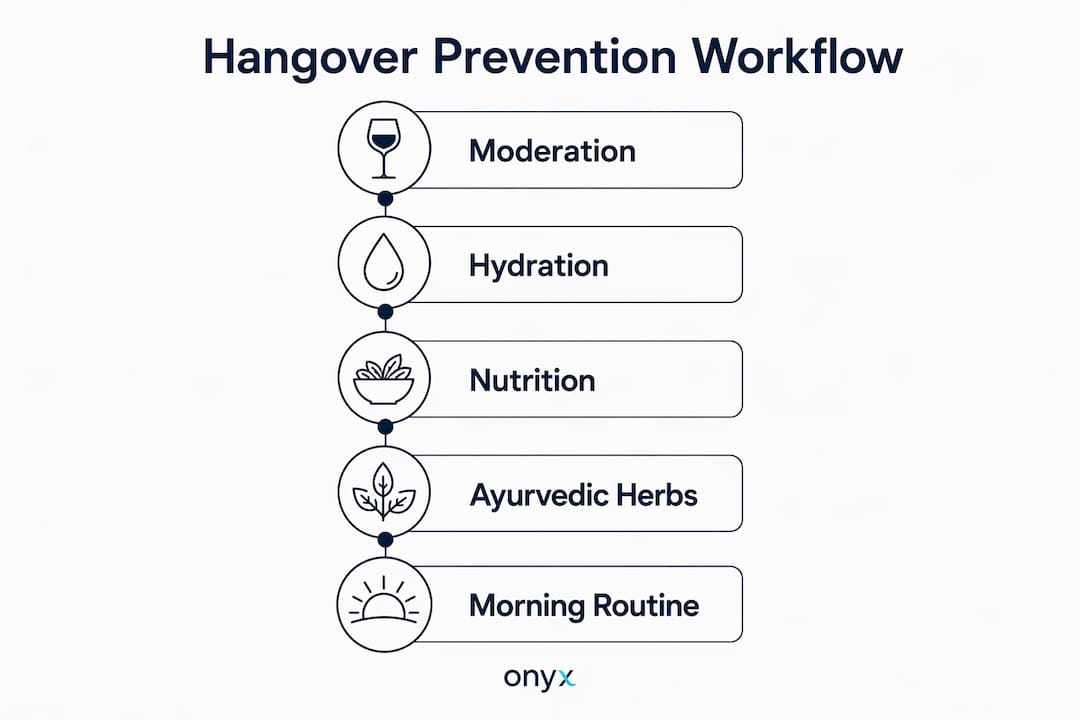
Here is the core workflow at a glance:
- Eat a protein and fat-rich meal before your first drink
- Pace yourself to one standard drink per hour
- Alternate every alcoholic drink with a full glass of water
- Choose lighter-colored spirits over dark liquors
- Take electrolytes and NAC before bed
- Prioritize sleep and a nourishing breakfast the morning after
- Incorporate Ayurvedic-inspired herbs and supplements at each phase
Think of this as your personal prevention plan, not a rigid rulebook. The sections below break down each step, the science behind it, and how to tailor it to your body.
How foundational habits reduce hangover severity
The basics are not glamorous, but they carry the most weight. Getting these right before you reach for any supplement is the difference between waking up functional and spending Sunday on the couch.
Moderation: the only guaranteed prevention
MedlinePlus guidelines define moderate drinking as limited daily drinks for women and men. A standard drink is 12 ounces of beer (5% alcohol), 5 ounces of wine (12% alcohol), or 1.5 ounces of liquor (40% alcohol), per MedlinePlus guidelines. Staying within moderation — no more than one drink per day for women and two for men — is the only intervention with close to 100% efficacy for prevention.
Pacing matters just as much as total volume. The liver processes alcohol at about the rate of one standard drink per hour. Drinking faster than this rate leads to accumulation of acetaldehyde, the toxic byproduct of alcohol metabolism, which causes hangover symptoms. That acetaldehyde accumulation drives most of the headache, nausea, and fatigue you feel the next morning.
Hydration: the one-to-one rule
Alcohol suppresses vasopressin, the hormone that tells your kidneys to conserve water, so you lose fluids faster than normal. The practical fix is straightforward: drink one glass of water for every alcoholic drink you have. This directly counters dehydration and naturally slows your consumption rate at the same time.
Before bed, drink a large glass of water with an electrolyte mix that replenishes key minerals depleted by alcohol’s diuretic effect; their absence contributes to many classic hangover symptoms.
Drink choice and congeners
Not all drinks hit equally. Darker liquors like whiskey and red wine contain higher concentrations of congeners, chemical byproducts of fermentation that amplify hangover severity. Vodka and gin have far fewer congeners. If you are prone to rough mornings, switching to clear spirits is one of the simplest adjustments you can make.
Nutrition before and during drinking
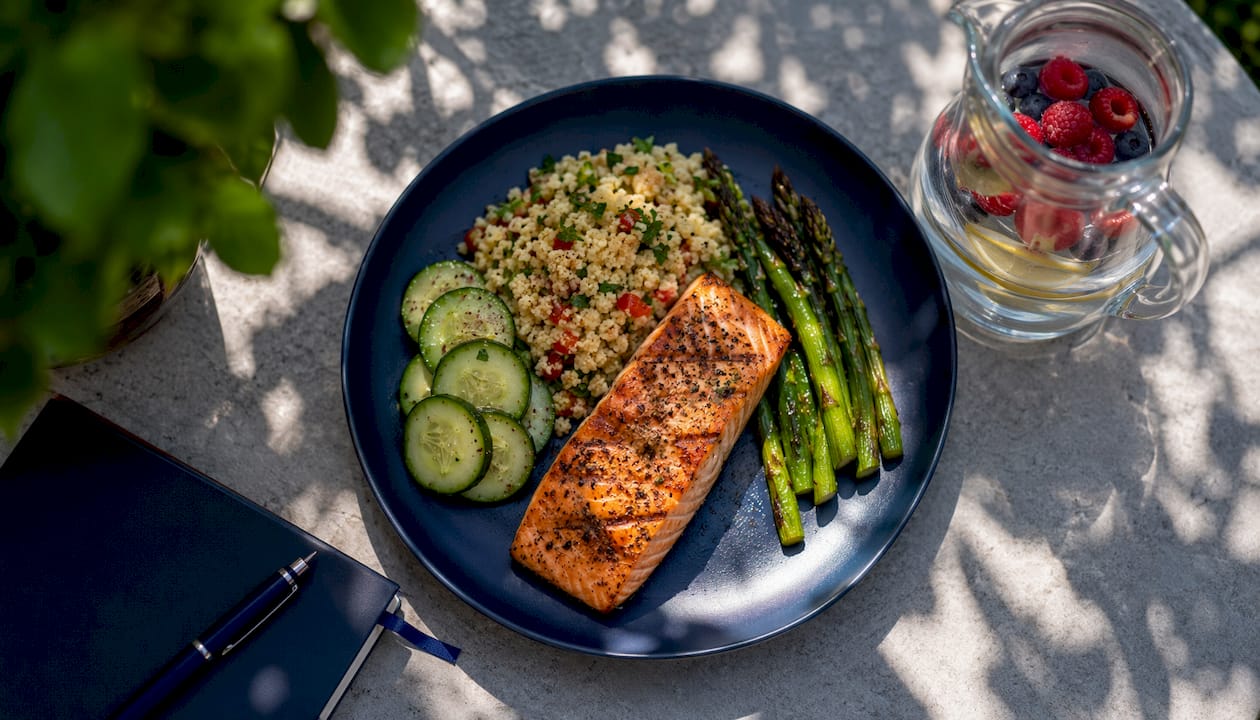
Food slows alcohol absorption by creating a physical buffer in your stomach. Aim for a balanced meal with protein, healthy fats, and complex carbohydrates about an hour before your first drink. Protein and fat digest slowly, extending that buffer throughout the evening.
Pro Tip: Avoid drinking on an empty stomach even if you plan to eat later. The first drink hits hardest when your stomach is empty, and that early spike in blood alcohol sets the tone for the whole night.
How to build your personalized Ayurvedic prevention workflow
A multi-stage approach targeting dehydration, acetaldehyde toxicity, B-vitamin depletion, and oxidative stress outperforms any single remedy. Ayurvedic wellness aligns naturally with this framework, pairing herbal support with timed nutrition and hydration at each phase. The holistic recovery principles Onyxwellness draws from treat the body as an interconnected system rather than a collection of isolated symptoms.
Phase 1: Pre-drinking (1–2 hours before)
| Action | What to take | Why it helps |
|---|---|---|
| Eat a full meal | Protein, healthy fats, complex carbs | Slows alcohol absorption |
| Hydrate | a large glass of water | Baseline hydration before diuresis begins |
| Consider DHM | Dihydromyricetin (DHM) | Emerging evidence for accelerated alcohol clearance |
| Ayurvedic herbs | Turmeric, ashwagandha | Anti-inflammatory and adaptogenic support |
Dihydromyricetin (DHM) is a flavonoid from the Japanese raisin tree (Hovenia dulcis) used in Asian wellness traditions for centuries. Western trial evidence is still preliminary, but the mechanism is plausible and it fits naturally into an Ayurvedic-inspired pre-drinking routine. DHM is best used as part of a routine aligned with moderation guidelines (no more than one drink per day for women and two for men, standard drink volumes), not as a lone preventive measure.
Phase 2: During drinking
Keep the one-to-one water rule running throughout the evening. If you are having more than three or four drinks, add an electrolyte packet to one of your water glasses. Sip carbonated mixers slowly since carbonation speeds alcohol absorption into your bloodstream.
Common mistakes to avoid:
- Mixing alcohol with energy drinks, which masks intoxication and strains the liver
- Skipping water rounds because you feel fine
- Drinking shots or punches, which make it nearly impossible to pace accurately
Phase 3: Before bed
This is the phase most people skip, and it is the one that makes the biggest difference. Before you sleep:
- Take NAC as a glutathione precursor to support acetaldehyde clearance overnight
- Take a methylated B-complex supplement to replace B vitamins depleted by alcohol metabolism
- Drink a large glass of water with electrolytes
- Never take acetaminophen. Combining it with alcohol significantly increases liver toxicity risk. Use ibuprofen sparingly if needed.
Phase 4: Morning after
A structured morning routine spanning about 90 minutes focusing on electrolytes, nutrition, and gentle movement offers more reliable relief than any quick fix, as outlined in this post-marathon recovery tips guide. Start with electrolytes again, then eat a carb-forward breakfast with some protein to stabilize blood sugar. Coffee provides modest relief through caffeine’s effect on headache, but do not over-caffeinate since it adds to dehydration.
Gentle movement, a short walk or light stretching, supports circulation and helps your body clear residual metabolites. Avoid the “hair of the dog.” Drinking more alcohol the morning after delays the hangover rather than treating it and reinforces a cycle that does not serve your health.
Pro Tip: Track what you drank, what you ate, and how you felt the next morning. After a few outings, patterns emerge. Maybe two glasses of wine leave you fine but three do not. That data is worth more than any generic protocol.
Personalization is the core principle here. Biological responses to alcohol vary widely between individuals, which is why iterative tracking and refinement of your own routine consistently outperforms a one-size-fits-all approach. Building a sustainable daily wellness routine around these phases makes the whole system easier to maintain long-term.
Onyxwellness products that support your prevention routine
Onyxwellness bridges ancient Ayurvedic tradition with modern delivery technology, and nowhere is that more practical than in hangover prevention and recovery.
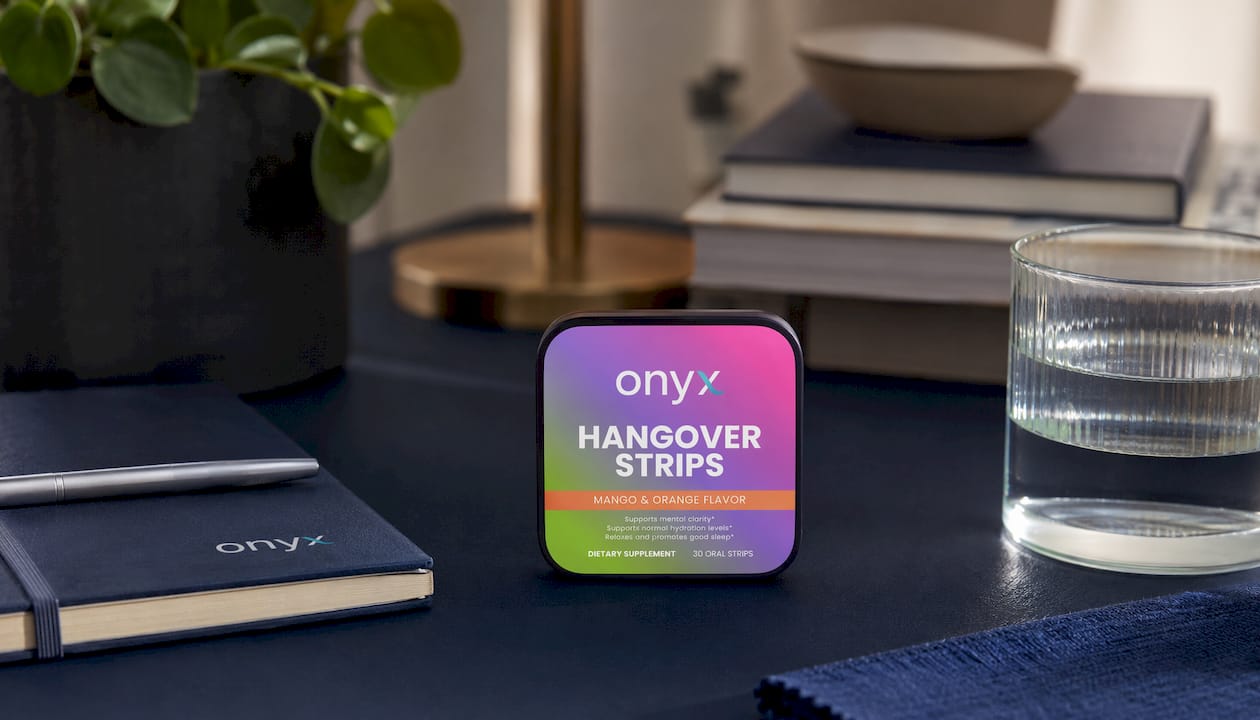
The flagship Hangover Strips are sugar-free, dissolvable strips designed for fast absorption without water. That delivery format matters when you are trying to get active ingredients into your system quickly, whether before bed or first thing in the morning when swallowing capsules feels like a chore. The strips contain herbal extracts and electrolyte support aligned with the multi-phase prevention framework described above, targeting hydration, detox pathways, and mental clarity in one convenient dose.
How to fit them into your workflow:
- Before bed: Place a strip on your tongue after your last drink to support overnight recovery
- Morning after: Use a strip alongside your breakfast to reinforce electrolyte and herbal support
- On the go: The strip format travels easily, so your routine does not fall apart at a hotel or a friend’s place
For a deeper look at evidence-based post-drinking routines, the complete hangover recovery guide from Onyxwellness walks through hydration, nutrition, and gentle movement in detail. Natural products work best as part of a consistent lifestyle practice, not as a last-minute rescue. Pair the strips with the foundational habits above and you give your body every advantage.
Key Takeaways
A personalized wellness workflow for hangover prevention, built around moderation, hydration, timed nutrition, and Ayurvedic-inspired supplementation, consistently reduces severity better than any single remedy.
| Point | Details |
|---|---|
| Pace to one drink per hour | Your liver processes roughly one standard drink per hour; exceeding that rate builds acetaldehyde faster than your body clears it. |
| Use the one-to-one water rule | Alternating every alcoholic drink with a full glass of water counters dehydration and naturally slows consumption. |
| Choose lighter-colored spirits | Vodka and gin contain fewer congeners than whiskey and red wine, reducing hangover severity for many people. |
| Take NAC 600 mg before bed | NAC replenishes glutathione to support acetaldehyde clearance overnight; pair it with a methylated B-complex. |
| Never take acetaminophen after drinking | Combining acetaminophen with alcohol significantly increases liver toxicity risk; use ibuprofen sparingly instead. |
FAQ
What is the most effective hangover prevention strategy?
Drinking in moderation—no more than one drink per day for women and two for men—pacing yourself to one standard drink per hour, and alternating alcoholic drinks with water are the most reliable prevention strategies, according to the Cleveland Clinic’s 2026 consensus. No supplement replaces these foundational habits.
When should I take NAC for hangover prevention?
Take NAC 600 mg before bed after drinking and again the morning after. NAC is a glutathione precursor that supports acetaldehyde clearance, the primary driver of hangover symptoms.
Do Ayurvedic herbs actually help with hangovers?
Natural compounds like DHM, turmeric, and ashwagandha show promise in preliminary research for supporting alcohol metabolism and reducing oxidative stress, but the clinical evidence is still emerging. They work best as part of a broader prevention routine, not as standalone cures.
Why should I avoid acetaminophen after drinking?
Acetaminophen combined with alcohol significantly increases the risk of liver toxicity. Reach for ibuprofen or aspirin instead, and use them sparingly since they can irritate a stomach already sensitive from alcohol.
How does the morning-after routine help recovery?
A structured morning routine of about 90 minutes focusing on electrolyte replenishment, a carb-forward breakfast with protein, and gentle movement supports circulation and helps your body clear residual metabolites more effectively than rest alone.