


“Third-party tested” means an independent organization checked specific quality attributes on that product, not that the FDA approved it or that it works as advertised. The claim only carries weight when it names the certifier and gives you a batch or lot number you can look up yourself. If a label just says “tested” with no logo, no certifier name, and nothing to verify, treat it as marketing copy until proven otherwise.
TL;DR:
- Third-party testing verifies a product’s identity, potency, contaminants, and banned substances, but only if the certifier’s name and batch number are verifiable.
- Not all seals mean the same; NSF Certified for Sport and Informed Sport focus on banned-substance screening, which is crucial for athletes, while USP and ConsumerLab focus on label accuracy and contaminants.
- Always cross-check the certifier’s website with the product’s batch number before trusting a “tested” claim, as many labels lack verifiable certification details.
- Certification confirms what’s in the bottle but does not prove the supplement’s effectiveness or correct dosing for individual needs.
- Onyx Wellness emphasizes transparency, encouraging consumers to verify certification details and batch information for all supplement purchases.
Table of Contents
- What Third-Party Testing Actually Covers
- NSF, USP, ConsumerLab, and Informed Sport: How They Differ
- How to Verify a “Third-Party Tested” Claim
- Matching Certification to Your Risk Level
- What Certification Doesn’t Prove
- Where Onyx Wellness Stands on Verification
- See Verification in Practice: Digestive and Gut Health Strips
- Sources
- FAQ
What Third-Party Testing Actually Covers
Independent testing checks four things: identity (is the ingredient what the label says it is?), potency (is the dose accurate?), contaminants (heavy metals, microbes, pesticides), and, for sport-focused programs, banned substances. Each is a separate technical screen, and a certifier may run some but not all of these tests.
A protein powder might pass an identity and potency check but never get screened for banned substances, which matters enormously if you compete in a drug-tested sport. Understanding which screens a given seal represents keeps you from assuming more protection than you’re actually getting.
Two supporting signals matter here. Labs accredited to ISO/17025 publish their testing methods publicly, which lets outside experts scrutinize how a result was reached, as explained by why independent third‑party testing matters for peptides. Separately, manufacturing sites that pass GMP facility audits show the physical plant meets sanitation and process controls, independent of what’s tested in any single batch.
- Identity testing: confirms the ingredient in the bottle matches the label (no substitutions, no mislabeled species or extract).
- Potency testing: confirms the dose delivered matches the dose claimed, often within a set tolerance.
- Contaminant screening: checks for heavy metals, microbial contamination, pesticide residue, and solvent residue.
- Banned-substance screening: checks for steroids, stimulants, and other substances prohibited in competitive sport.
Pro Tip: A supplement can pass identity and potency testing and still fail a contaminant screen. Always check which specific tests a certifier ran before assuming full coverage.
Independent testing programs regularly turn up discrepancies between what’s on the label and what’s actually in the bottle, which is exactly why groups like ConsumerLab built a business around buying products off retail shelves and publishing what they find.
NSF, USP, ConsumerLab, and Informed Sport: How They Differ
Not all seals mean the same thing, and mixing them up is easy if you’ve never compared them side by side.
NSF runs two relevant programs. Standard NSF certification verifies label accuracy and screens for contaminants under NSF/ANSI 173. NSF Certified for Sport goes further, adding a screen for more than 280 banned substances plus facility audits, making it the standard many professional sports leagues require.
USP verifies identity, potency, purity, and dissolution against pharmaceutical-grade benchmarks, and its verification program is widely treated as a quality floor for general supplements rather than a sport-specific screen.
ConsumerLab works differently. It buys products anonymously at retail, tests them independently, and publishes the results, covering more than 1,400 health products, so you’re reading a third party’s findings rather than a brand-commissioned report.
Informed Sport / Informed Choice focuses almost entirely on banned-substance testing per batch, which is why it’s the go-to for athletes rather than general wellness buyers.
- NSF and USP: label accuracy plus contaminant screening for general use.
- NSF Certified for Sport and Informed Sport: per-batch banned-substance screening for competitive athletes.
- ConsumerLab performs independent retail testing and publishes public reports, without logo licensing involved.
If you’re a competitive athlete, prioritize NSF Certified for Sport or Informed Sport. If you’re a general wellness shopper, USP or NSF verification, backed by a ConsumerLab review, covers your real risk.
How to Verify a “Third-Party Tested” Claim
Don’t take the phrase at face value. Follow this sequence:
- Find the certifier’s name and logo on the label or product page.
- Locate the batch or lot number, usually printed near the expiration date.
- Go to the certifier’s website and search its batch or product database.
- Confirm the result matches the SKU and lot you’re holding, not just the product line generally.
- If no database exists, search ConsumerLab or the brand’s site for a published lab report tied to that batch.
Watch for these red flags:
- A generic “lab tested” claim with no certifier named anywhere.
- A seal that has no searchable batch lookup at all.
- A published report that’s expired, undated, or tied to a different lot than what’s on the shelf.
In-store, snap a photo of the label and check the certifier’s database on your phone before buying. Online, open the product page in one tab and the certifier’s search tool in another; a legitimate claim survives that ten-second cross-check every time.
Matching Certification to Your Risk Level
Not every supplement buyer needs the same level of scrutiny, and treating them all identically wastes money or leaves gaps.
Athletes need per-batch banned-substance screening because a single contaminated lot can end a career. NSF Certified for Sport and Informed Sport exist for exactly that reason. Anything less leaves too much exposure for someone subject to drug testing.
Parents buying supplements for kids should know the Consumer Product Safety Commission requires third-party testing through accredited labs for most children’s products, and it recognizes numerous labs worldwide for that purpose. That regulatory backbone doesn’t cover dietary supplements the same way it covers toys, so parents should still confirm a named certifier on any supplement marketed for kids.
For everyday wellness shoppers, prioritize:
- A named certifier (USP or NSF) for label accuracy.
- A ConsumerLab review, when one exists, as a second opinion.
- Contaminant screening over banned-substance screening, since competitive sport rarely applies here.
What Certification Doesn’t Prove
Third-party testing confirms what’s in the bottle. It doesn’t confirm the product works. The FDA does not preapprove dietary supplements for safety or efficacy before they reach shelves; manufacturers carry that responsibility under current Good Manufacturing Practices.
That gap matters. A perfectly certified magnesium supplement can still be the wrong dose or wrong form for your specific need, a question testing was never designed to answer.
Testing protocols also vary between certifiers, some rely on manufacturer-submitted samples, others buy anonymously at retail, which is why Harvard Health recommends checking for named, recognized seals like USP and NSF rather than trusting an unnamed “third-party tested” claim on faith.
Where Onyx Wellness Stands on Verification
We built Onyxwellness on the idea that transparency isn’t optional, especially with a delivery format as new to most shoppers as dissolvable strips. When you’re absorbing an ingredient through a strip rather than swallowing a capsule, you deserve to know exactly what independent verification looked at and what it didn’t.
We document our sourcing and formulation practices openly, and we encourage every reader here to apply the same verification steps covered above to any brand, including ours. Check the certifier, check the batch, and don’t settle for a vague claim on a label. That standard should apply everywhere you shop, not just here.
— Chris
See Verification in Practice: Digestive and Gut Health Strips
Gut health is one of the categories where ingredient identity and dose accuracy matter most, since even small variances change how a formula feels day to day. Our Digestive + Gut Health Strips were built around that principle: a fast-absorbing, sugar-free strip format with a clearly listed ingredient panel, so you’re not guessing at what’s actually dissolving.
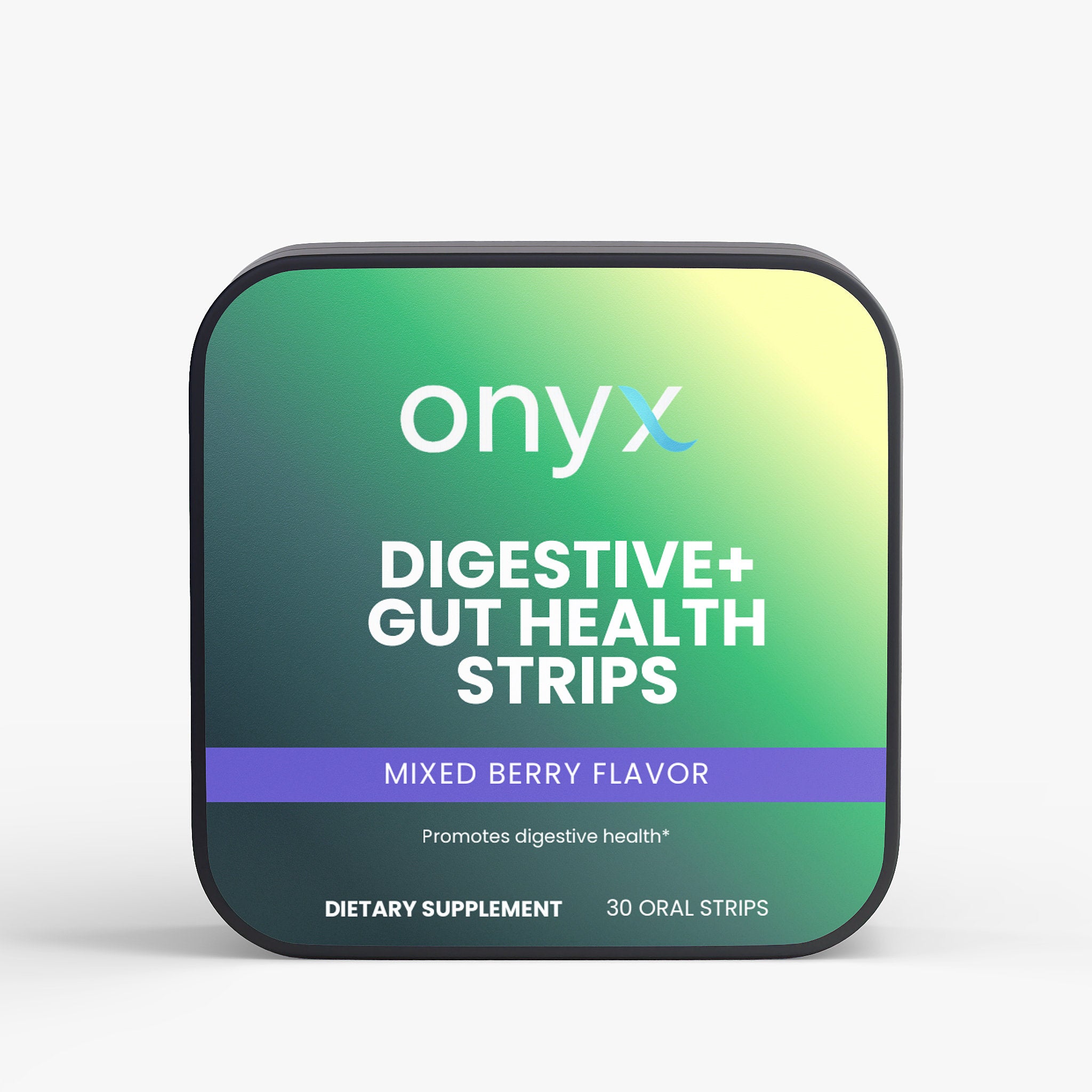
If you want to dig into sourcing, labeling, or testing notes before buying, our full product lineup lays out ingredient details on every listing, and our customer support team can answer specific batch or formulation questions directly. Read the label the way this guide walks you through, check what’s verifiable, then decide if the strip format fits how you want to support your gut health day to day. View the product details and reach out with any questions before you order.
Sources
- Dietary Supplement and Vitamin Certification
- ConsumerLab
- Questions and answers for dietary supplements
- Start vetting your supplements
- USP — Dietary supplements & herbal medicines
This article is general information, not a substitute for advice from a qualified doctor. Consult a qualified healthcare professional about your own circumstances before acting on anything here.
FAQ
What is the best supplement brand that is third-party tested?
There’s no single “best” brand across every category. Instead, look for brands that name a recognized certifier like USP or NSF and provide a batch number you can verify on that certifier’s own site.
How do I know if a supplement is third-party tested?
Check the label or product page for a named certifier logo, then search that certifier’s database using the batch or lot number printed on the package. If no certifier is named and nothing is searchable, the claim isn’t verifiable.
What is the most trustworthy supplement company?
Trustworthiness comes down to verifiable practices, not reputation alone: named certifications, searchable batch data, and transparent labeling. Onyxwellness documents its sourcing and formulation openly and encourages the same verification checks for any brand you’re considering.
Is third-party testing good for supplements?
Yes, it’s one of the most reliable ways to confirm a product contains what it claims and hasn’t picked up contaminants during manufacturing. It doesn’t prove the product is effective, since efficacy is a separate question testing wasn’t designed to answer.