


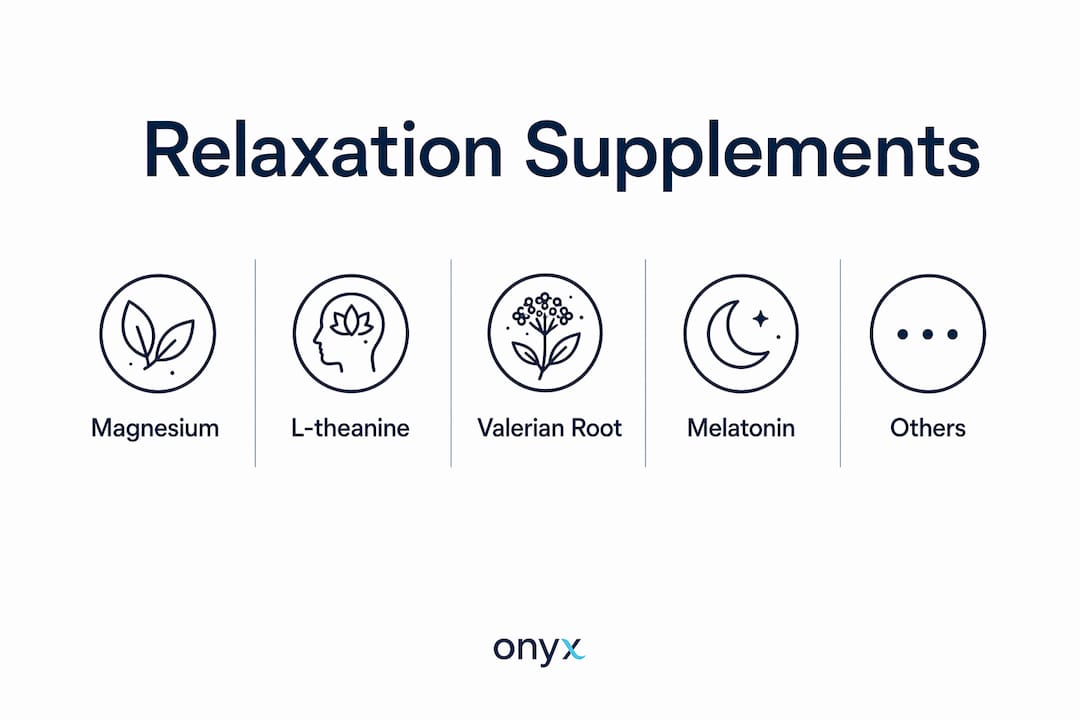
The most effective supplements for relaxation include magnesium, L-theanine, valerian root, melatonin, rhodiola rosea, lemon balm, and chamomile. Each works through distinct biological pathways to quiet the nervous system, ease anxious thoughts, or support deeper sleep. Here is a quick overview before you dig into the details:
- Magnesium: Enhances GABA receptor activity to calm the nervous system; well-tolerated and widely studied.
- L-theanine: An amino acid from green tea that raises GABA, serotonin, and dopamine without causing drowsiness.
- Valerian root: A traditional sleep herb with a recommended dose of 300–600 mg taken up to an hour before bed; anxiety evidence is mixed.
- Melatonin: Regulates the sleep-wake cycle; most useful for insomnia tied to circadian disruption or jet lag.
- Rhodiola rosea: An adaptogen that may lower cortisol and improve stress tolerance, though trial results vary.
- Lemon balm: A mild herb shown to reduce worry and excitability, often combined with valerian.
- Chamomile: Contains apigenin, a flavonoid that binds GABA receptors; short-term use is generally safe.
None of these supplements are a substitute for professional care. Talk with your healthcare provider before starting any new regimen, especially if you take prescription medications.
Best supplements for relaxation: a deep dive into each option
1. Magnesium
Magnesium is one of the most researched natural relaxation aids, and for good reason. It works by enhancing GABA receptor sensitivity and promoting GABA release from presynaptic neurons, which quiets nervous system activity and can shorten the time it takes to fall asleep. Deficiency is common in American adults, and low magnesium levels are associated with heightened anxiety and poor sleep. Magnesium glycinate and magnesium citrate are the forms most often recommended for relaxation because they absorb well and are gentler on the digestive system than magnesium oxide.
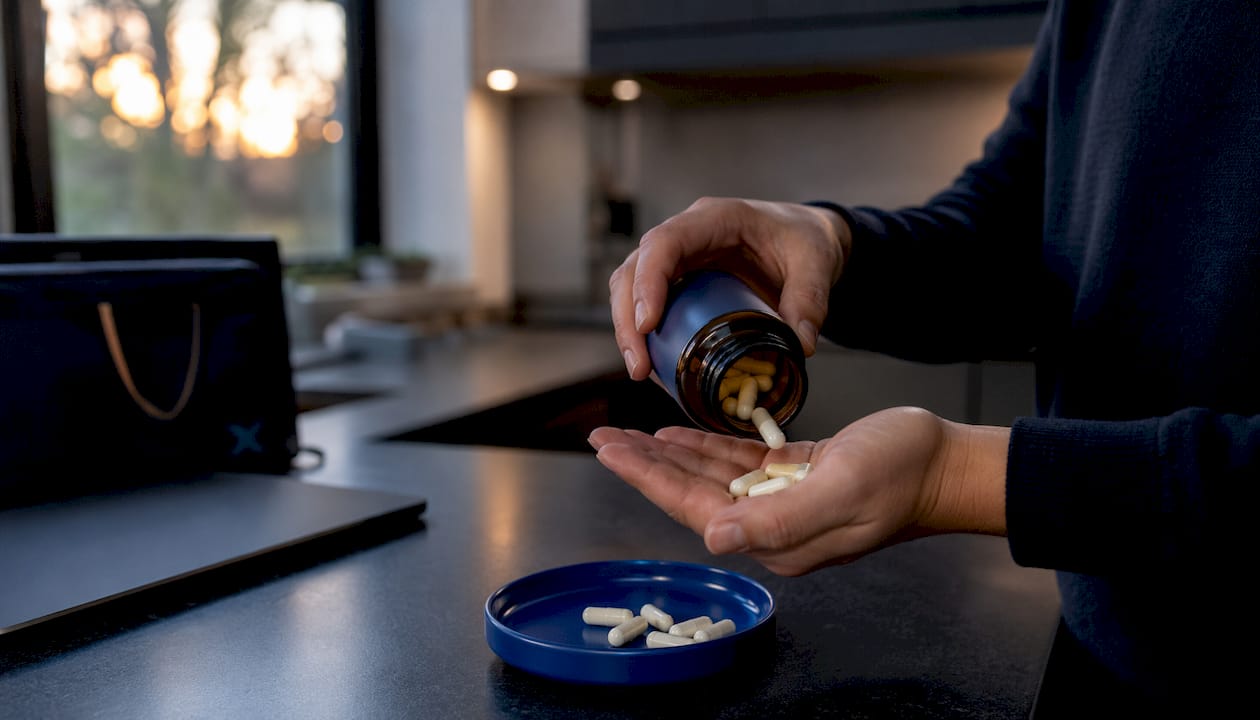
Typical dosage: 200–400 mg daily, taken in the evening. Common side effects: Loose stools at higher doses; generally well-tolerated at standard amounts.
2. L-theanine
L-theanine is an amino acid found almost exclusively in green tea (Camellia sinensis), and it crosses the blood-brain barrier to directly influence neurotransmitter levels. Research shows it increases GABA, serotonin, and dopamine, producing a calm, focused state without the sedation you would get from a sleep aid. That makes it particularly useful during the day or when you want to take the edge off without feeling foggy. Up to 200 mg daily is considered generally safe, and it pairs well with magnesium for people dealing with both anxiety and sleep maintenance issues.

Typical dosage: 100–200 mg daily. Common side effects: Rare; mild headache in some people.
3. Valerian root
Valerian has been used as a sleep remedy for centuries, and its primary mechanism involves valerenic acid binding to GABA receptors and inhibiting the breakdown of GABA in the brain. The clinical picture on sleep is reasonably positive, but evidence on anxiety reduction remains inconclusive. If your main goal is falling asleep faster, valerian is worth trying. If you are primarily chasing daytime calm, the data is thinner. Take it 300–600 mg about an hour before bed, and give it two to four weeks before judging results.
Typical dosage: 300–600 mg, up to one hour before bedtime. Common side effects: Vivid dreams, morning grogginess, mild digestive upset.
4. Melatonin
Melatonin is a hormone your pineal gland produces naturally as light fades, signaling to your body that it is time to sleep. Supplemental melatonin is most effective for sleep disorders tied to circadian disruption, including jet lag, shift work, and delayed sleep phase syndrome. It regulates the sleep-wake cycle rather than sedating you directly, which is why timing matters as much as dose. Most people use far more than they need; doses as low as 0.5–1 mg can be effective, and higher amounts do not necessarily produce better results.
Typical dosage: 0.5–5 mg, taken 30–60 minutes before bed. Common side effects: Daytime drowsiness, headache, dizziness if taken at the wrong time.
5. Rhodiola rosea
Rhodiola is an adaptogen, meaning it helps the body resist physical and mental stress rather than simply sedating it. Its active compounds, rosavins and salidroside, appear to modulate the hypothalamic-pituitary-adrenal axis, which governs cortisol release. Adaptogenic effects may reduce fatigue and improve stress tolerance over time, though clinical trial results are inconsistent. Rhodiola tends to be more stimulating than calming at higher doses, so it is better suited to daytime use for stress resilience than as a nighttime sleep aid.
Typical dosage: 200–600 mg daily, standardized to 3% rosavins. Common side effects: Insomnia or agitation if taken too late in the day; generally mild.
6. Lemon balm
Lemon balm (Melissa officinalis) is a mint-family herb with a long history in European herbal medicine for calming nerves and reducing excitability. It appears to inhibit an enzyme called GABA transaminase, which breaks down GABA, effectively extending GABA’s calming signal. Small clinical studies show it can reduce self-reported anxiety and improve mood, though large-scale trials are still limited. Lemon balm is frequently combined with valerian root in commercial sleep formulas, and the combination tends to outperform either herb alone.
Typical dosage: 300–600 mg of extract daily. Common side effects: Mild sedation, nausea at high doses; avoid combining with other sedatives.
7. Chamomile
Chamomile’s calming reputation comes largely from apigenin, a flavonoid that binds to GABA-A receptors in the brain and produces mild anxiolytic effects. Short-term use is likely safe for most people, but there are two cautions worth knowing. First, chamomile can trigger allergic reactions in people sensitive to ragweed or related plants. Second, it may increase bleeding risk when taken alongside blood-thinning medications like warfarin. As a tea, chamomile is a gentle starting point; as a concentrated extract, the effects are more pronounced and the interactions more relevant.
Typical dosage: 220–1,100 mg of extract daily, or 1–2 cups of chamomile tea. Common side effects: Allergic reactions in sensitive individuals; increased bleeding risk with anticoagulants.
Quick-reference comparison table
| Supplement | Primary effect | Typical dose | Evidence strength | Key caution |
|---|---|---|---|---|
| Magnesium | Calms nervous system via GABA | 200–400 mg/day | Strong | Loose stools at high doses |
| L-theanine | Raises GABA, serotonin, dopamine | 100–200 mg/day | Moderate-strong | Rare headache |
| Valerian root | Promotes sleep onset | 300–600 mg before bed | Moderate (sleep); weak (anxiety) | Morning grogginess |
| Melatonin | Regulates sleep-wake cycle | 0.5–5 mg before bed | Strong for circadian issues | Timing-dependent |
| Rhodiola rosea | Reduces cortisol, builds stress tolerance | 200–600 mg/day | Moderate | Agitation if taken late |
| Lemon balm | Extends GABA activity | 300–600 mg/day | Moderate | Avoid with sedatives |
| Chamomile | Mild GABA-A receptor binding | 220–1,100 mg/day | Moderate | Bleeding risk with anticoagulants |
How do these supplements actually calm your nervous system?
Understanding the biology behind these herbs and nutrients helps you choose the right one for your situation. Most of them converge on a few shared pathways.
GABA modulation is the central mechanism for valerian, chamomile, lemon balm, and magnesium. GABA is the brain’s primary inhibitory neurotransmitter. When GABA activity rises, neurons fire less readily, physical tension eases, and anxious thought patterns quiet down. Valerian’s valerenic acid binds GABA receptors directly and slows GABA breakdown; chamomile’s apigenin does something similar; lemon balm inhibits the enzyme that clears GABA; and magnesium increases receptor sensitivity so the GABA you already produce works more effectively.
Neurotransmitter balance is where L-theanine stands apart. Rather than acting only on GABA, it also raises serotonin and dopamine, which explains the calm-but-alert quality people often describe. This multi-transmitter action is why L-theanine pairs so well with magnesium: one broadens the calming signal while the other deepens it.
Circadian regulation is melatonin’s lane. It does not sedate you the way a benzodiazepine does. Instead, it tells your brain what time it is, nudging your internal clock toward sleep. That is why it works best for people whose sleep problems are rooted in timing rather than anxiety.
Cortisol and the stress axis is where rhodiola operates. Chronic stress keeps cortisol elevated, which disrupts sleep, sharpens anxiety, and depletes energy. Rhodiola appears to modulate the hypothalamic-pituitary-adrenal axis, blunting the cortisol spike that follows a stressor. Think of it less as a relaxant and more as a buffer that keeps stress from compounding.
Key mechanisms at a glance:
- GABA receptor binding and enhanced sensitivity (magnesium, valerian, chamomile, lemon balm)
- GABA breakdown inhibition (valerian, lemon balm)
- Serotonin and dopamine upregulation (L-theanine, chamomile)
- Sleep-wake cycle entrainment (melatonin)
- HPA axis modulation and cortisol buffering (rhodiola rosea)
Pairing supplements that work through different mechanisms, such as magnesium with L-theanine, can produce effects neither achieves alone. That said, combining multiple calming agents also multiplies the risk of side effects, so start with one and add carefully.
Safety, side effects, and when to call your doctor
Natural does not mean risk-free. That phrase gets repeated often, and for good reason: herb-drug interactions can be clinically serious, and the supplement aisle does not come with the same guardrails as a pharmacy.
The FDA does not regulate dietary supplement purity or labeling with the same rigor applied to prescription drugs. Supplement quality varies widely, and some products contain contaminants or doses that differ from what the label states. That variability is not a reason to avoid supplements entirely, but it is a reason to be deliberate about which brands you trust.
Specific risks to know:
- Kava carries a real risk of liver toxicity. The FDA has issued warnings about hepatotoxicity, and kava should be avoided entirely if you have any liver condition or take medications processed by the liver. Pregnant and breastfeeding women should not use it.
- Chamomile can increase bleeding risk when combined with warfarin or other anticoagulants. If you are on a blood thinner, talk to your doctor before adding chamomile to your routine.
- Valerian and lemon balm can amplify sedation when combined with alcohol, benzodiazepines, or other sleep medications.
- Melatonin can disrupt hormonal rhythms with long-term high-dose use; stick to the lowest effective dose.
- Rhodiola can cause agitation or insomnia if taken in the afternoon or evening.
Certain populations should be especially cautious. Pregnant and breastfeeding women should avoid most herbal supplements unless a healthcare provider has specifically cleared them. People on antidepressants, anticoagulants, or immunosuppressants face the highest risk of drug interactions and should always consult their prescribing physician before adding any herbal anxiety supplement.
Experts also note that supplements work best alongside behavioral strategies like cognitive behavioral therapy for insomnia (CBT-I), consistent sleep schedules, and stress management practices. A supplement can support the process; it rarely replaces the process. For a broader look at lifestyle approaches that complement these herbs, the relaxation tips for health-conscious consumers guide covers mindfulness, timed aerobic exercise, and other evidence-backed tools.
Pro Tip: Pick one reputable brand and stick with it. Because supplement purity and potency vary between manufacturers, switching brands mid-trial makes it nearly impossible to know whether a change in effect is due to the supplement itself or a difference in formulation.
How Onyxwellness brings Ayurvedic wisdom into modern supplement delivery
Ayurveda, the traditional Indian system of medicine, has recognized the calming properties of herbs like ashwagandha, brahmi, and tulsi for thousands of years. The underlying principle is that stress and anxiety often reflect an imbalance in the nervous system, and that plant-based compounds can restore equilibrium when used consistently and correctly. Modern research has started to validate many of these traditional claims, particularly around adaptogenic herbs and GABA-modulating botanicals.
What has changed is delivery. Traditional herbal preparations required brewing, measuring, and often an acquired taste. Onyxwellness takes a different approach: sugar-free, dissolvable strips that absorb directly through the oral mucosa, bypassing the digestive system for faster uptake. That format matters for people who want the benefits of a calming supplement without the delay of a capsule working through the gut.
The Mushroom Focus Strips from Onyxwellness illustrate this approach well. They combine functional mushroom extracts with a fast-absorbing strip format, targeting mental clarity and stress resilience in a format designed for real life, not a wellness retreat. For those interested in broader gut-brain support, the Digestive + Gut Health Strips address the gut-nervous system connection that increasingly appears in stress research.
Practical advantages of this delivery format:
- No water needed, making it easy to use anywhere
- Faster absorption compared to standard capsules or tablets
- Pre-measured doses eliminate the guesswork that comes with powders or tinctures
- Sugar-free formulation suits people managing blood sugar or following low-carb diets
Onyxwellness’s full product range is available at onyxwellness.co/collections/all, where you can browse formulations aligned with relaxation, recovery, and mental clarity. For a deeper look at how Ayurvedic principles translate into modern supplement practice, the Ayurvedic relaxation support guide on the Onyxwellness blog walks through the evidence and the tradition side by side.
Choosing a supplement is easier when you understand what you are actually buying. The herbal blends for wellness guide breaks down how to read ingredient labels, what standardization means, and which combinations have real clinical backing. And if you want to understand how tension and sleep quality interact before choosing a product, the tension relief and sleep guide from Vitality offers a practical comparison of supplement and non-supplement approaches.
Key Takeaways
Magnesium and L-theanine have the strongest evidence for daily relaxation support, while valerian and melatonin are most effective for sleep-specific concerns, and all supplements carry interaction risks that require a conversation with your healthcare provider.
| Point | Details |
|---|---|
| Magnesium and L-theanine lead on evidence | Both enhance GABA activity and are well-tolerated at standard doses for daily calm. |
| Valerian dosage matters | Take 300–600 mg up to one hour before bed; anxiety benefits are less established than sleep benefits. |
| Melatonin works best for circadian issues | Most effective for jet lag, shift work, or delayed sleep phase, not general anxiety. |
| Supplement quality varies widely | The FDA does not regulate purity strictly; choose one reputable brand and stay consistent. |
| Supplements complement, not replace, therapy | CBT-I and good sleep hygiene remain first-line treatments; supplements support the process. |
FAQ
What supplements will help me relax?
Magnesium and L-theanine are the most consistently supported options for daily relaxation, with valerian root and lemon balm useful for sleep-focused needs. Chamomile tea is a gentle starting point if you prefer a lower-dose approach.
What supplements can ease anxiety?
L-theanine, magnesium, rhodiola rosea, and lemon balm all show evidence for reducing anxiety symptoms, though none are approved treatments for clinical anxiety disorders. Always consult a healthcare provider before using supplements to address anxiety.
Is there a natural anxiety pill?
No supplement is approved by the FDA as an anxiety treatment, but several natural compounds, particularly L-theanine and magnesium, have clinical support for reducing anxiety symptoms when used consistently alongside lifestyle strategies like mindfulness and regular exercise.
What is the 3-3-3 rule for anxiety?
The 3-3-3 rule is a grounding technique, not a supplement protocol: name three things you see, three sounds you hear, and move three parts of your body. It is a behavioral tool often recommended alongside calming supplements to interrupt acute anxiety in the moment.
How do I choose a high-quality relaxation supplement?
Look for products that are third-party tested for purity, clearly state the form and dose of each active ingredient, and are standardized to known active compounds (such as valerenic acid in valerian or rosavins in rhodiola). Sticking with one brand consistently helps you accurately gauge whether the supplement is working.