


Sugar-free sweeteners are low- or no-calorie substitutes for table sugar, and when you use them in moderation, they are generally safe and can help you cut back on added sugar. They are not a magic fix for weight loss or blood sugar control, and they work best alongside whole, nutrient-dense foods rather than instead of them.
You will see these sweeteners marketed under several names: artificial sweeteners, non-nutritive sweeteners (NNS), sugar alcohols, and novel sweeteners. All fall under the umbrella of “sugar substitutes,” and most of the ones sold in the U.S. carry either FDA approval or GRAS (Generally Recognized as Safe) status, including:
- Stevia (steviol glycosides)
- Monk fruit extract (mogrosides)
- Sucralose
- Aspartame
- Saccharin
- Acesulfame potassium (Ace-K)
- Advantame
- Neotame
If you’re trying to lower your sugar intake without giving up sweetness entirely, these are the tools worth understanding before you reach for one.
TL;DR:
- Most approved sugar-free sweeteners like stevia, monk fruit, and sucralose are safe in moderation, but they are best used as a step toward reducing overall sugar intake.
- Sugar alcohols such as erythritol and xylitol can cause bloating, gas, or laxative effects in sensitive individuals, especially at higher consumption levels.
- While evidence on weight loss benefits remains mixed, most nonnutritive sweeteners have little impact on blood glucose, making them suitable for blood sugar management.
- Heat stability varies: sucralose and allulose are ideal for baking, whereas aspartame is not heat-stable and better suited for cold applications.
- Onyx Wellness offers dissolvable strips and gummies designed for fast absorption, providing convenient low-sugar options without the need for extensive label reading.
Table of Contents
- Types of Sugar-Free Sweeteners: How They Actually Differ
- Are Sugar-Free Sweeteners Safe? What the Evidence Actually Shows
- How to Choose and Use Sugar-Free Sweeteners
- Natural vs. Artificial: The Real Trade-Offs
- Editorial Perspective: What Gets Lost in the Sweetener Debate
- A Simpler Way to Cut Sugar Without Giving Up Convenience
- Key Takeaways
- Sources
- FAQ
Types of Sugar-Free Sweeteners: How They Actually Differ
Not all sugar-free sweeteners work the same way, and picking one without knowing the category can lead to a bitter aftertaste, an unexpected trip to the bathroom, or a baking disaster. Here’s how the main groups break down.
1. High-intensity nonnutritive sweeteners. These are hundreds of times sweeter than sugar, so tiny amounts do the job. The FDA has approved several high-intensity sweeteners for use in the United States:
- Aspartame — found in diet sodas and tabletop packets; breaks down with prolonged heat, so it’s not ideal for baking.
- Sucralose — heat-stable, making it a common choice for baked goods.
- Acesulfame potassium — often blended with other sweeteners to smooth out aftertaste.
- Saccharin — one of the oldest sweeteners on the market, found in some diet products and tabletop sweeteners.
- Neotame and advantame — extremely potent, used mostly in processed foods rather than sold directly to consumers.
2. Plant-derived sweeteners. Stevia and monk fruit dominate this category. Stevia comes from steviol glycosides extracted from the Stevia rebaudiana plant, while monk fruit sweetness comes from compounds called mogrosides. Both are marketed as “natural” alternatives and show up in everything from flavored waters to baking blends. Neither is metabolized the way sugar is, and neither typically raises post-meal blood glucose, which is why you’ll see them so often on labels aimed at people managing diabetes.
3. Sugar alcohols. Erythritol, xylitol, and sorbitol fall into this group, sometimes called polyols. They provide fewer calories than table sugar and are common in sugar-free gum and candy because their bulk mimics sugar’s texture better than high-intensity sweeteners can. The trade-off: sugar alcohols can cause bloating, gas, or a laxative effect in people who eat them in large amounts, since they’re absorbed slowly in the small intestine.
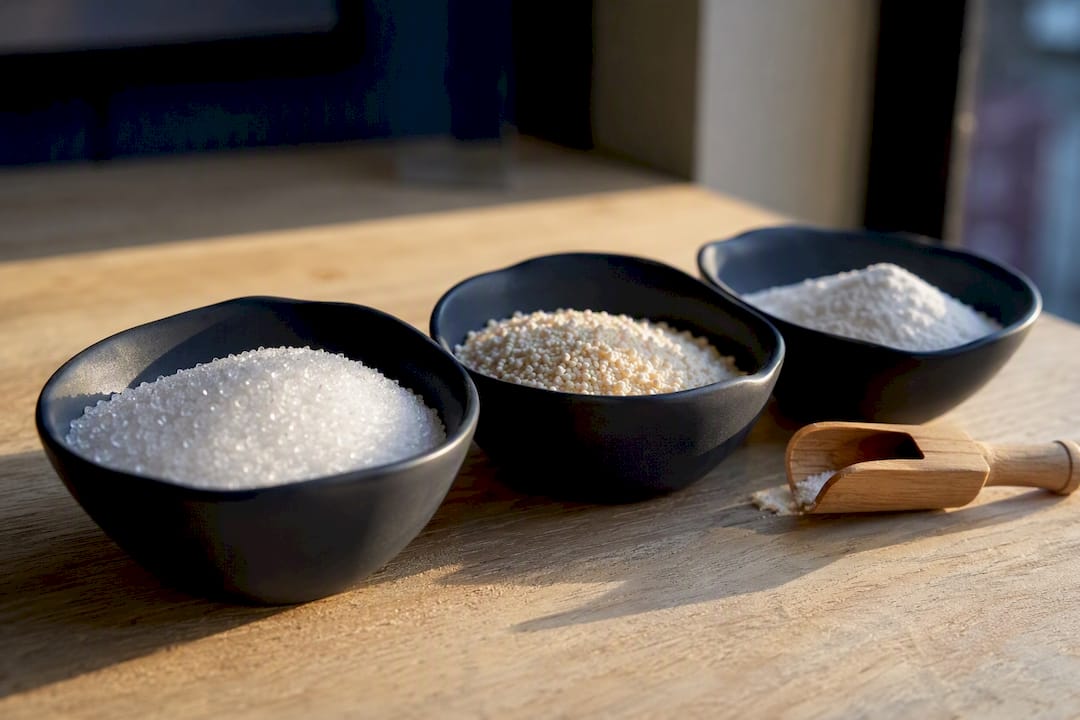
4. Novel sweeteners. Allulose and thaumatin are newer to the mainstream. Allulose behaves like a sugar but is mostly not metabolized, and it holds up well under heat, so it works in baking recipes that need real browning. Thaumatin, a protein-based sweetener, is used more for flavor modification than as a primary sweetener.
On an ingredient label, look for these under names like “steviol glycosides,” “erythritol,” “sucralose,” or simply “sugar alcohols” grouped in the nutrition facts panel. Product forms range from powders and liquid drops to tabletop packets and the base ingredient in reduced-sugar packaged foods.
Are Sugar-Free Sweeteners Safe? What the Evidence Actually Shows
The short answer: the sweeteners sold in the U.S. today have cleared a real regulatory bar, but the long-term health picture is more nuanced than “safe” or “unsafe” captures.
Every high-intensity sweetener on shelves has either FDA approval or GRAS status, meaning it passed a formal safety review for its intended use. That history includes some course corrections. Cyclamate was banned in the U.S. decades ago over safety concerns, and saccharin once carried a cancer warning label that regulators later removed once human studies failed to confirm the risk. Modern evidence on approved sweeteners does not show a clear cancer link in humans, according to Mayo Clinic’s review of the research.
What the research actually says: Randomized controlled trials tend to show modest short-term calorie and weight benefits when sugar is swapped for non-nutritive sweeteners. Observational studies, by contrast, sometimes link regular diet soda drinking to higher rates of obesity and metabolic syndrome. That split is exactly why a widely cited review of sweetener safety concludes the evidence is mixed rather than settled.
That gap matters because it’s easy to mistake correlation in observational data for causation. People who already drink more diet soda may also eat differently for reasons the studies can’t fully untangle.
Blood sugar: Most nonnutritive sweeteners have minimal impact on post-meal blood glucose, which is why the American Heart Association lists them as a reasonable substitution for people managing added sugar intake, including many with diabetes. Stevia and monk fruit are particularly comparable choices here, since taste preference tends to be the bigger differentiator than any measurable metabolic difference.
Gut effects: Sugar alcohols are the main digestive concern. Erythritol, xylitol, and sorbitol can trigger bloating, gas, or a laxative effect in people who eat more than their gut tolerates, and some early research is looking at subtler shifts in the gut microbiome, though that signal remains tentative rather than conclusive.
Vulnerable groups. A few populations need to pay closer attention:
- People with phenylketonuria (PKU) must avoid aspartame entirely, since it contains phenylalanine, which their bodies cannot metabolize normally.
- Children can consume approved sweeteners, but pediatric guidance generally favors moderation and prioritizing water and whole foods.
- Pregnant people should check with their doctor about specific sweeteners, since guidance can vary by ingredient and personal health history.
- Anyone with a known sensitivity to sugar alcohols should introduce them gradually rather than switching all at once.
How to Choose and Use Sugar-Free Sweeteners
Picking the right sweetener isn’t about finding the “healthiest” one in the abstract. It’s about matching the sweetener to what you’re actually doing with it.
- Define your goal first. Are you trying to lower blood sugar spikes, cut calories, avoid cavities, or just prefer the taste? Your answer narrows the field fast. If blood sugar is the priority, stevia and monk fruit are common go-to choices; if baking is the goal, sucralose or allulose hold up better under heat than aspartame.
- Check heat stability before you bake with it. Aspartame breaks down with prolonged high heat and loses sweetness. Sucralose and allulose tolerate baking temperatures far better.
- Test your digestive tolerance gradually. Start with a small amount of any sugar alcohol product and watch how your body responds over a day or two before committing to regular use.
- Read past the front label. “Sugar-free” doesn’t mean additive-free. Scan the ingredient list for sugar alcohols hiding under names like maltitol or sorbitol, and check for fillers or bulking agents you may not expect.
- Watch for compensatory eating. Cutting added sugar only pays off if you don’t offset the savings elsewhere, like reaching for a larger portion because the drink was “diet.” That’s the quiet way sugar-free choices fail to translate into real results.
Pro Tip: Blend two sweeteners instead of relying on one. A stevia-erythritol blend, for example, often tastes closer to real sugar than either ingredient alone, since it dilutes the metallic aftertaste some people notice in high-intensity sweeteners.
If you notice persistent digestive symptoms, headaches, or any unusual reaction after switching sweeteners, stop using the product and talk with your doctor, especially if you’re managing diabetes, PKU, or a chronic digestive condition. For a deeper look at where sugar-free products fit into a broader eating pattern, see how natural appetite balance approaches work alongside smarter sweetener choices.
Natural vs. Artificial: The Real Trade-Offs
The “natural versus artificial” debate gets oversimplified online. What actually matters is taste, heat tolerance, and how your gut responds.
- Taste: Stevia and monk fruit can carry a mild aftertaste on their own, though blending them with erythritol or sucralose often smooths that out. Sucralose and aspartame tend to taste closest to real sugar for most people.
- Cooking: Sucralose and allulose handle high heat well, making them the better pick for baking. Aspartame is not heat-stable and works best in cold or room-temperature applications.
- Metabolic impact: Stevia, monk fruit, and most high-intensity sweeteners have little to no effect on blood glucose, which makes them broadly comparable for blood sugar control regardless of “natural” or “artificial” labeling.
- Digestive tolerance: Sugar alcohols are the most likely category to cause bloating or a laxative effect. High-intensity sweeteners rarely cause digestive symptoms at typical intake levels.
The category label matters less than testing what your body tolerates and what fits your cooking needs.
Onyx Wellness Context and Why This Guide Can Be Trusted
Onyxwellness sells Ayurvedic-inspired wellness products, including sugar-free dissolvable strips designed for fast absorption without water. That product angle means this guide has a direct interest in accurate sweetener information, and it’s built entirely on independently published, authoritative sources.
- Mayo Clinic’s clinical overview of artificial sweeteners and sugar substitutes
- Harvard Health’s reporting on sweeteners and added sugar reduction
- FDA determinations on approved sweeteners and GRAS status
- Peer-reviewed research reviews on sweetener safety published through NIH’s PMC database
Editorial independence matters here: the health claims in this article come from clinical and regulatory sources, not marketing copy, and they would read the same whether or not Onyxwellness sold a single product.
Editorial Perspective: What Gets Lost in the Sweetener Debate
The loudest voices in the sweetener conversation tend to fall into two camps: sweeteners are dangerous chemicals, or sweeteners are a free pass to eat however you want. Neither holds up against the actual research. The honest reading of the evidence is that approved sweeteners are safe for most people at normal intake levels, and the real open question isn’t safety, it’s whether they help you change your relationship with sugar long term.
That’s where conventional advice tends to fall short. Most guidance stops at “choose stevia over aspartame” or vice versa, as if the sweetener itself is the deciding factor. It rarely is. Tolerance and consistency matter more than which molecule you pick. A sweetener you can use daily without digestive complaints and without triggering a “diet food, so I can eat more” mindset will beat the theoretically “healthier” option you abandon after two weeks.
Prioritize whole foods first, use sweeteners as a bridge rather than a destination, and stop treating this as a purity test.
— Chris
A Simpler Way to Cut Sugar Without Giving Up Convenience
Reading labels and testing tolerance is good practice, but most people don’t want to become amateur food chemists just to manage their sugar intake. Onyxwellness built its entire product line around that reality: sugar-free, dissolvable strips and gummies that fit into a low-sugar lifestyle without demanding a pantry overhaul.
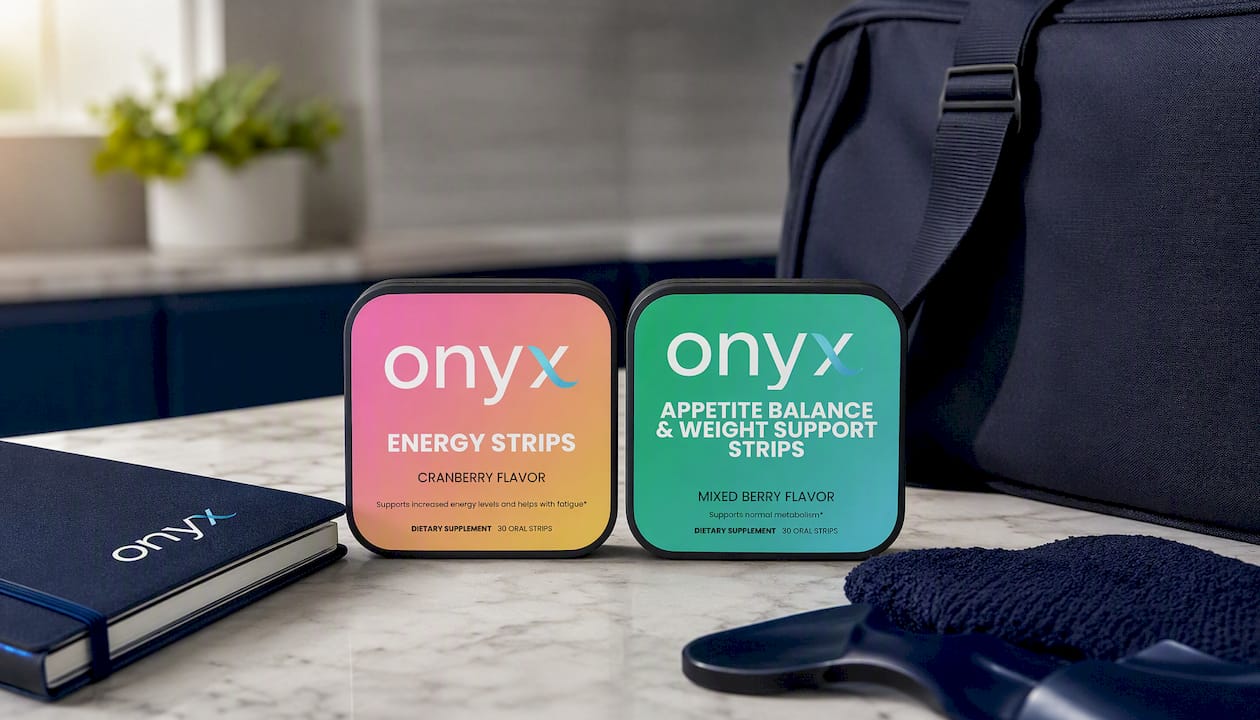
If a rough night calls for support, the Hangover Strips dissolve without water or added sugar. If sleep is the goal, the Sleep Strips offer the same fast-absorbing format. For digestive comfort, which matters more once you start experimenting with sugar alcohols, the Digestive + Gut Health Strips are worth a look, and the Bone Support Strips and Hair, Skin and Nails Strips round out daily wellness needs without the added sugar found in many gummy competitors. Browse the full Onyxwellness collection to find the format that fits your routine and start your next order today.
Key Takeaways
Approved sugar-free sweeteners are safe for most people in moderation, but they work best as a bridge toward less sugar overall, not a standalone health strategy.
| Point | Details |
|---|---|
| FDA/GRAS status covers most options | Stevia, monk fruit, sucralose, aspartame, saccharin, and Ace-K all carry approval or GRAS status in the U.S. |
| Evidence on weight is mixed | RCTs show modest short-term benefits, while observational studies link diet soda to higher obesity rates. |
| Blood sugar impact is minimal | Most nonnutritive sweeteners don’t meaningfully raise post-meal glucose, making them diabetes-friendly options. |
| Sugar alcohols carry digestive risk | Erythritol, xylitol, and sorbitol can cause bloating or a laxative effect in sensitive people. |
| Onyxwellness offers sugar-free delivery formats | Dissolvable strips and gummies like the Sleep Strips and Digestive + Gut Health Strips fit a low-sugar routine without added sweeteners. |
This article is general information, not a substitute for advice from a qualified doctor. Consult a qualified healthcare professional about your own circumstances before acting on anything here.
Sources
- Artificial sweeteners and other sugar substitutes | Mayo Clinic
- Are sugar substitutes too sweet to be true? | Harvard Health
- Artificial sweeteners as a sugar substitute: Are they really safe? (PMC article)
- Non-nutritive sweeteners (American Heart Association)
FAQ
Which sugar-free sweetener is best?
There’s no single “best” sweetener. It depends on your goal: stevia and monk fruit suit blood sugar management, while sucralose and allulose work better for baking.
What sweeteners should diabetics avoid?
Diabetics don’t need to avoid approved sweeteners outright, but sugar alcohols in large amounts can cause digestive upset, and it’s worth monitoring individual response since tolerance varies.
Which is safer, Splenda or stevia?
Both sucralose (Splenda) and stevia carry FDA approval or GRAS status, and neither shows a clear cancer or safety risk in modern research; the choice usually comes down to taste and cooking needs.
What is the healthiest thing to use as a sweetener?
Whole-food options like fruit offer nutrients sweeteners don’t, but among sugar-free sweeteners, stevia and monk fruit are often favored for their minimal blood sugar impact and GRAS status.