


TL;DR:
- Effective relaxation involves regular mindfulness practices, physical tension release techniques, and strong lifestyle habits. Building simple routines and practicing consistency lead to lasting stress reduction and emotional resilience. Supplements can support this foundation when used alongside core habits like sleep and nutrition.
Relaxation tips for health-conscious consumers are intentional, evidence-backed practices that actively reduce stress hormones, calm the nervous system, and improve mental clarity through natural, sustainable methods. The National Center for Complementary and Integrative Health (NCCIH) recognizes techniques like mindful breathing, progressive muscle relaxation, and body scans as clinically supported approaches to well-being. University of Utah Health research confirms that mindfulness training reduces stress and enhances emotional resilience. Onyxwellness builds on these foundations by pairing Ayurvedic-inspired formulas with modern delivery formats, giving you practical tools that fit a real schedule.
1. What are the most effective mindfulness practices for stress relief?
Mindfulness is the practice of observing your thoughts without judgment, creating a mental gap between what you experience and how you react. That gap is where stress loses its grip. Clinical social workers recommend this non-judgmental awareness as a core tool for emotional clarity, not just relaxation.
One common mistake beginners make is trying to empty the mind completely. Research shows the effective goal is acknowledging thoughts as transient, not suppressing them. Think of thoughts as clouds passing through the sky. You notice them, and you let them move on.
Three accessible techniques stand out for daily practice:
- Mindful breathing: Inhale for four counts, hold for four, exhale for six. This activates the parasympathetic nervous system within minutes.
- Body scan: Starting at your feet and moving upward, notice tension in each muscle group without trying to fix it. Awareness alone reduces physical holding patterns.
- The S.T.O.P. method: Stop what you are doing, Take a breath, Observe your thoughts and feelings, then Proceed with intention. Brief daily mindfulness sessions using this method provide effective nervous system breaks without requiring long blocks of time.
Research from march 2026 confirms that mindfulness training improves emotional well-being and helps people notice positive experiences even under stress. That is a meaningful shift, not just a mood boost.
Pro Tip: Start with five minutes each morning using the S.T.O.P. method before checking your phone. Consistency over two weeks builds the habit faster than longer, irregular sessions.
2. How do physical relaxation techniques complement mental practices?
Physical relaxation techniques work by reversing stress’s direct effects on the body. Tight shoulders, a clenched jaw, and shallow breathing are all physical stress signatures. Addressing them sends a signal to the brain that the threat has passed.
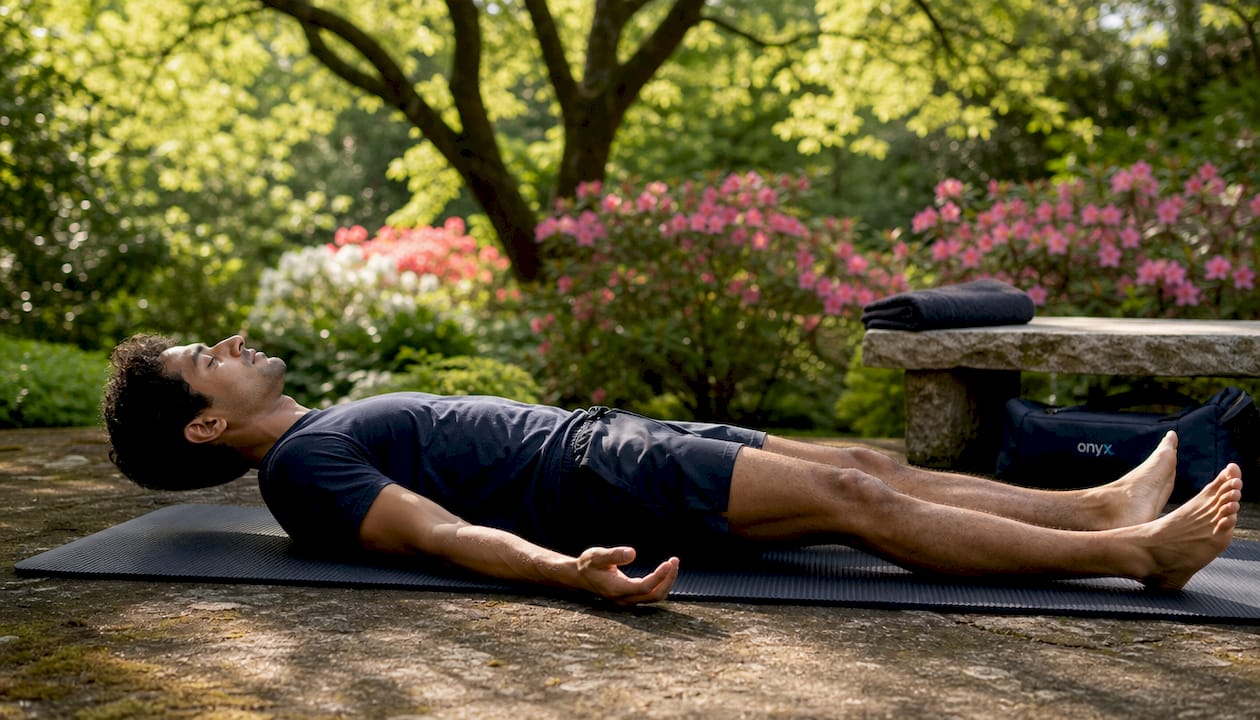
Mastering body relaxation gives you a sense of emotional control that mental reframing alone cannot provide. Stanford stress management experts describe this as gaining agency over your own physiology. That is a powerful shift when anxiety feels out of control.
Progressive muscle relaxation (PMR) is the most studied physical technique. You tense each muscle group for five seconds, then release for 30 seconds, moving from your feet to your face. The contrast between tension and release teaches your nervous system what true relaxation feels like. Most people complete a full session in 15–20 minutes.
Mindful movement practices like yoga, tai chi, and slow walking extend this benefit across your day. They combine breath awareness with physical movement, reinforcing both mental and physical calm simultaneously.
| Technique | Primary focus | Time needed | Best for |
|---|---|---|---|
| Progressive muscle relaxation | Body tension release | 15–20 minutes | Evening wind-down |
| Mindful breathing | Nervous system reset | 3–5 minutes | Midday stress breaks |
| Yoga | Body and breath integration | 20–60 minutes | Morning or evening |
| Tai chi | Slow movement and balance | 20–30 minutes | Older adults, joint health |
| Walking meditation | Grounding and awareness | 10–20 minutes | Outdoor reset |
Physical methods complement but do not replace addressing the root causes of stress through active problem solving. Use them as a regulation tool, not a permanent workaround.
Pro Tip: Pair a five-minute PMR session with your mindful breathing practice. Do the breathing first to settle your mind, then move into the body scan. The combination works faster than either technique alone.
You can also explore body-based healing practices that integrate movement and breath for deeper stress relief.
3. What natural lifestyle habits support effective relaxation?
Lifestyle habits are the soil that relaxation techniques grow in. Without them, even the best mindfulness practice produces limited results. Health-conscious consumers in the US consistently incorporate digital detoxes, consistent sleep schedules, and Ayurvedic stress-relief oils into their daily routines.
Sleep is the single most powerful recovery tool available. A consistent bedtime, even on weekends, regulates cortisol and supports the nervous system’s natural repair cycle. Disrupted sleep raises baseline stress levels, making every relaxation technique harder to sustain. Pairing good sleep wellness habits with a wind-down ritual dramatically improves sleep quality.
Ayurvedic practices add another layer of support. Self-massage with warm sesame or ashwagandha-infused oil, known as abhyanga, calms the nervous system and grounds the body before sleep. Herbal teas with tulsi or brahmi support the body’s stress response without sedation. Onyxwellness draws on these traditions in its formulations, combining ancient Ayurvedic ingredients with fast-absorbing strip technology for modern convenience. You can find practical Ayurvedic relaxation tips that fit a real daily schedule.
Key lifestyle habits that reinforce relaxation include:
- Consistent sleep and wake times: Anchor your circadian rhythm to reduce cortisol spikes.
- Screen-free wind-down: Avoid screens for 60 minutes before bed to allow melatonin production.
- Daily outdoor time: Even 10 minutes of natural light exposure regulates mood and sleep hormones.
- Whole-food meals: Blood sugar stability directly reduces anxiety and irritability.
- Social connection: Regular, meaningful interaction is a proven buffer against chronic stress.
Foundational habits like sleep, nutrition, and social connection matter more than any supplement or biohacking tool. Build these first, then layer in additional support.
4. How can you build relaxation habits that actually last?
Sustainable relaxation habits come from simplicity, not complexity. The more steps a routine requires, the less likely you are to maintain it when life gets busy. Prioritizing consistency over intensity is the single most reliable predictor of long-term wellness success.
The goal is a routine that feels grounding and energizing, not one that adds pressure. If your relaxation practice starts to feel like another item on a to-do list, it is time to simplify. Here is a practical framework for building habits that stick:
- Choose one anchor habit. Pick one technique, such as morning breathing or an evening body scan, and commit to it for 14 days before adding anything else.
- Attach it to an existing routine. Pair your new habit with something you already do, like brewing coffee or brushing your teeth. This reduces the mental effort of remembering.
- Set a minimum viable dose. Three minutes counts. A short session you actually do beats a long session you skip.
- Track your mood, not your performance. Notice how you feel after each session rather than grading your technique. Positive emotional feedback reinforces the habit loop.
- Review and adjust monthly. What works in a low-stress week may need adjusting during a high-pressure period. Flexibility keeps you in the game long-term.
Supplements and wellness tools work best when layered on top of these foundations, not used as substitutes. Think of them as support, not structure. For a deeper look at building sustainable routines, the evidence-based wellness guide from Onyxwellness offers a practical starting point.
Pro Tip: Write your chosen habit on a sticky note and place it where you will see it first thing in the morning. Visual cues reduce the friction between intention and action by a surprising amount.
Key Takeaways
The most effective approach to relaxation combines consistent mindfulness practice, physical tension release, and foundational lifestyle habits like sleep and nutrition, applied in that order.
| Point | Details |
|---|---|
| Mindfulness works through observation | Noticing thoughts without judgment reduces stress more effectively than trying to clear the mind. |
| Physical techniques signal safety | Progressive muscle relaxation and mindful movement tell the brain that stress has passed. |
| Lifestyle habits come first | Sleep, nutrition, and social connection form the base that makes all other techniques more effective. |
| Consistency beats intensity | A three-minute daily practice outperforms a 30-minute session done once a week. |
| Simplify before you add | Build one anchor habit before layering in supplements, tools, or additional techniques. |
What I’ve learned about relaxation that most wellness content gets wrong
Most wellness content treats relaxation as a destination. You do the breathing, you take the supplement, you arrive at calm. That is not how it works, and chasing that version of relaxation creates its own stress.
What actually works is treating relaxation as a skill, not a state. Skills require repetition, patience, and the willingness to be bad at them at first. The first time you try a body scan, your mind will wander constantly. That is not failure. That is the practice working exactly as it should.
The other thing I have seen trip people up is the wellness fad cycle. A new technique or product gets attention, people adopt it with intensity, burn out within three weeks, and conclude that “relaxation doesn’t work for me.” The problem is never the technique. The problem is the intensity. Self-compassion is not a soft concept here. It is the practical mechanism that keeps you showing up.
Connection is also underrated in this space. Sitting with a friend, laughing, sharing a meal without phones: these are legitimate stress relief techniques. They do not require a subscription or a protocol. The research on social connection as a stress buffer is strong, and yet most relaxation guides skip it entirely.
Experiment freely. Try the S.T.O.P. method for two weeks, then try tai chi, then try abhyanga. You are not looking for the perfect technique. You are looking for the one that feels like yours.
— Chris
Natural support for your relaxation routine from Onyxwellness
Good relaxation habits work better when your body has what it needs to recover and rest. Onyxwellness offers two products worth adding to your wind-down routine.
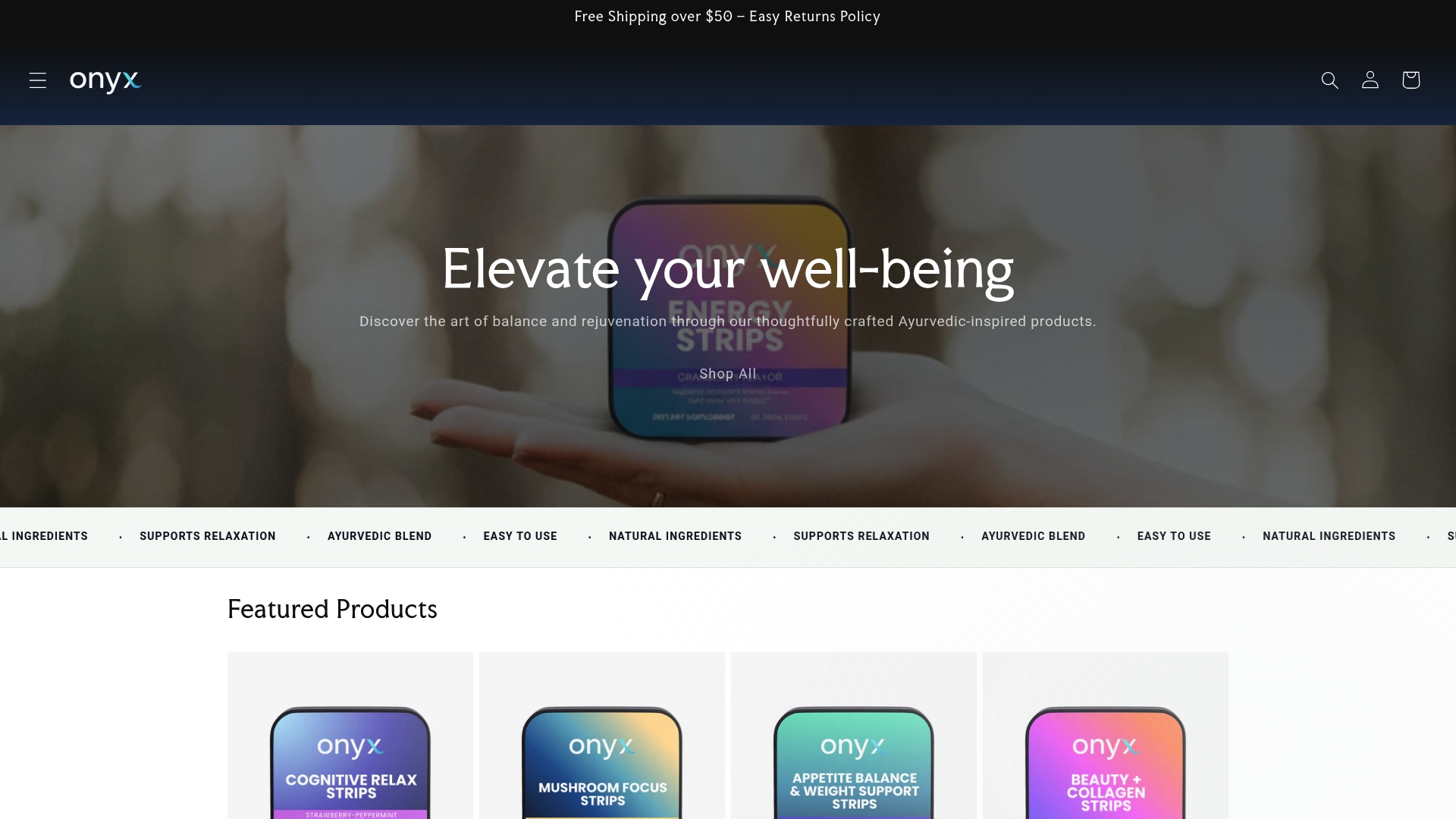
The Sleep Strips from Onyxwellness use fast-absorbing, dissolvable strip technology to deliver natural sleep-support ingredients without water or sugar. They are designed for people who want a clean, convenient option that fits a real bedtime routine. The Digestive + Gut Health Strips support gut function, which directly influences stress levels and overall mood. Both products are formulated with ingredient transparency and Ayurvedic-inspired blends, so you know exactly what you are putting in your body.
FAQ
What are the best relaxation techniques for beginners?
The S.T.O.P. method and mindful breathing are the most accessible starting points. Both take under five minutes and require no equipment or prior experience.
How does mindfulness reduce stress hormones?
Mindfulness training reduces cortisol by activating the parasympathetic nervous system and shifting attention away from threat-based thinking. Research confirms this effect even with brief, consistent daily sessions.
Are Ayurvedic practices effective for stress relief?
Ayurvedic practices like self-massage with herbal oils and adaptogenic herbal teas support the body’s stress response through physical grounding and nervous system regulation. Health-conscious consumers in the US increasingly incorporate these habits alongside conventional wellness routines.
How long does it take to see results from relaxation practices?
Most people notice a measurable shift in mood and tension within two weeks of consistent daily practice. The key word is consistent: short daily sessions produce faster results than longer, irregular ones.
Should I use supplements to help with relaxation?
Supplements work best as a layer on top of foundational habits like sleep, nutrition, and social connection. They are not a replacement for those habits, but they can provide meaningful support once the foundations are in place.