


Short answer: reishi shows real biological plausibility and promising animal data, but human evidence is still thin. It’s reasonable to try cautiously as an adjunct for mild, occasional sleep trouble, provided you follow the product label, screen for medication interactions first, and track your results honestly instead of assuming it’s working.
TL;DR:
- Reishi animal studies show sleep improvements at doses of 25 to 100 mg/kg over several weeks, but no large-scale human trials confirm these effects.
- The sleep-promoting effect depends on gut microbiota processing and serotonin pathways, which vary widely among individuals and formulations.
- Most commercial reishi products differ significantly from research-grade extracts in species, part used, and extraction method, affecting their potential effectiveness.
- Reishi may cause mild side effects like digestive upset or dry mouth, and has possible interactions with blood thinners, chemotherapy, or blood pressure medications.
- Without strong human evidence, reishi is best used cautiously for occasional sleep trouble rather than chronic insomnia, with careful tracking and consultation if on medications.
Table of Contents
- Does Reishi Help With Sleep? What the Evidence Shows
- How Reishi Might Affect Sleep: Serotonin, Gut Bacteria, and Beyond
- Why “Reishi” on a Label Doesn’t Mean One Thing
- Reishi Safety, Side Effects, and Drug Interactions
- How to Try Reishi for Better Sleep Without Wasting Your Time
- Where Onyxwellness Fits in an Evidence-Based Approach to Reishi
- Where Reishi Actually Fits in Your Sleep Toolkit
- Try Reishi the Transparent Way: Onyxwellness Sleep Formats
- Sources
- FAQ
Does Reishi Help With Sleep? What the Evidence Shows
The most quotable line about reishi and sleep is also the most honest one: the animal data look good, but robust human data are very limited. That gap matters, and you deserve to know exactly where it sits before you spend money on a bottle.
The strongest single piece of evidence comes from a mouse study published in Scientific Reports. Researchers gave mice a Ganoderma lucidum acidic alcohol extract, or GLAA, at doses of 25 to 100 mg per kilogram of body weight for 28 days. The mice fell asleep faster and stayed asleep longer after being given pentobarbital, a sedative used to induce sleep in lab settings. That’s a real, measurable effect. But it happened in rodents given a specific acidic extract at a controlled dose, not in people taking a gummy off a shelf.
A second animal study adds an important wrinkle. Researchers tested several different Ganoderma lucidum recipes over 14 days and found the sleep and fatigue effects varied significantly depending on the formulation. Some recipes shortened sleep latency and extended sleep duration. Others mainly changed fatigue-related biochemical markers without much sleep effect at all. This is the finding that should reshape how you think about reishi products in general: not all reishi is created equal, and the formulation used in a study rarely matches what’s in a retail supplement.
On the human side, the picture thins out fast. There’s no large randomized controlled trial testing reishi specifically for insomnia or sleep quality in otherwise healthy adults. What exists instead is a cross-sectional survey of cancer patients who reported using reishi, where some respondents noted improvements in fatigue and nausea, but roughly 9% also reported adverse events, including dry mouth and, notably, insomnia rather than improved sleep. Observational self-reports like this can’t establish cause and effect. People who feel better after starting a supplement often credit the supplement, even when other factors (better nutrition, more rest, less stress) are doing the real work.
Here’s what the current body of research adds up to:
- Animal studies: Consistent, mechanistically interesting, but not directly transferable to human dosing or expectations.
- Human clinical trials for sleep specifically: Effectively absent at meaningful scale.
- Patient-reported surveys: Mixed signals, some benefit, some harm, no causal proof either way.
- Mechanistic and review literature: Suggests plausible pathways worth studying further, not a confirmed treatment.
The evidence snapshot: the strongest reishi sleep data comes from a mouse study using 25 to 100 mg/kg of a specific acidic alcohol extract over 28 days. No comparable human trial exists at that scale or duration for sleep outcomes specifically.
If you’re weighing reishi against other researched sleep supplements, it helps to see how the evidence bases compare. Our guide to magnesium glycinate for sleep covers a nutrient with considerably more human trial support, and it’s worth reading before you decide where reishi fits into your own routine.
So does reishi help with insomnia? The honest answer is that it might help some people some of the time, through mechanisms that make biological sense, but nobody has proven it works reliably in humans the way melatonin or CBT-I have been proven. That’s not a dismissal. It’s a call for realistic expectations.
How Reishi Might Affect Sleep: Serotonin, Gut Bacteria, and Beyond
Reishi’s sleep effects, where they exist, don’t appear to come from a single simple mechanism. The research points to a cluster of biological pathways working together, and understanding them helps explain why results vary so much from person to person and product to product.
The serotonin connection. In the mouse study using GLAA, researchers found the sleep-promoting effect coincided with increased serotonin (5-HT) levels in the hypothalamus, the brain region that helps regulate your sleep-wake cycle. Serotonin is a precursor to melatonin, and disruptions in serotonin signaling are linked to insomnia in humans. This gives reishi a plausible neurochemical story, but plausible isn’t the same as proven in people.
The gut microbiota surprise. This is the detail most articles about reishi skip entirely, and it’s arguably the most interesting one. When researchers depleted the gut microbiota in the mice before giving them GLAA, the sleep-promoting effect disappeared. That means the extract’s benefit wasn’t acting directly on the brain. It depended on gut bacteria processing the compound first. This has a real practical implication: if a compound’s effect depends on your specific gut microbiome, and everyone’s microbiome is different, that alone could explain why some people report reishi works wonders and others feel nothing at all.
Other pathways worth naming, with appropriate caution:
- GABA modulation: Some lab research on Ganoderma compounds suggests interaction with GABA receptors, the same inhibitory neurotransmitter system targeted by many pharmaceutical sedatives, though this evidence is preliminary and mostly cell-based rather than whole-organism.
- Anti-inflammatory activity: Chronic low-grade inflammation is associated with poor sleep quality, and reishi’s polysaccharides have documented anti-inflammatory properties in lab and animal models. Whether reducing inflammation translates into measurably better sleep in humans remains untested at scale.
- Adaptogenic stress response: Reishi is often marketed as an adaptogen, a substance that helps the body manage stress. If cortisol dysregulation is part of what’s keeping you awake, an adaptogenic effect could theoretically help, though this remains more theory than confirmed clinical pathway.
Every one of these mechanisms comes from cell studies, animal models, or early mechanistic review, not confirmed human clinical outcomes. Mechanism explains why something might work. It never proves that it does work in a person swallowing a gummy at 9 p.m. That distinction is the single most important thing to carry into the rest of this guide.
Why “Reishi” on a Label Doesn’t Mean One Thing
If you take away nothing else from this article, take this: “reishi” is not a standardized ingredient the way vitamin C is. It’s a category, and the products inside that category can differ enormously in what they actually deliver.
Reishi supplements typically come from one of two source materials, and the difference matters more than most labels let on.
- Fruiting body extract. This is the mushroom itself, the part most people picture. Fruiting body extracts generally contain higher concentrations of triterpenes and beta-glucans, the compound classes most associated with reishi’s traditional and researched effects.
- Mycelium on grain. This is the root-like network the mushroom grows from, often cultivated on rice or oat substrate. Mycelium products are cheaper to produce but can contain significant amounts of leftover grain starch, diluting the active compound concentration unless the product specifies it’s been tested for beta-glucan or triterpene content.
- Spore powder. Less common in sleep-focused products, spore extracts have a different compound profile and are more often marketed for immune support than relaxation.
- Water extract vs. alcohol extract. Triterpenes (linked to the calming, sleep-supportive effects studied in animal research) are alcohol-soluble. Beta-glucans (linked to immune activity) are water-soluble. A water-only extract may be poor in the exact compounds the sleep research focuses on.
- Finished formats: gummies, strips, capsules, powders. The delivery format doesn’t change the underlying extract quality, but it does affect absorption speed and convenience, which matters when you’re trying to build a consistent bedtime habit.
The species matters too. Most consumer research and traditional use centers on Ganoderma lucidum, though Ganoderma sinense appears in some products and has a somewhat different, less-studied compound profile. If a label doesn’t specify species, that’s a transparency gap worth noting.
Here’s the detail that should make you a more skeptical label-reader: the mouse study showing sleep benefits used a specific acidic mycelial alcohol extract, a preparation method rarely disclosed on consumer packaging. When you see “reishi extract” on a gummy bottle, you’re almost never getting the exact preparation used in the research. You’re getting a related but distinct product from the same mushroom family.
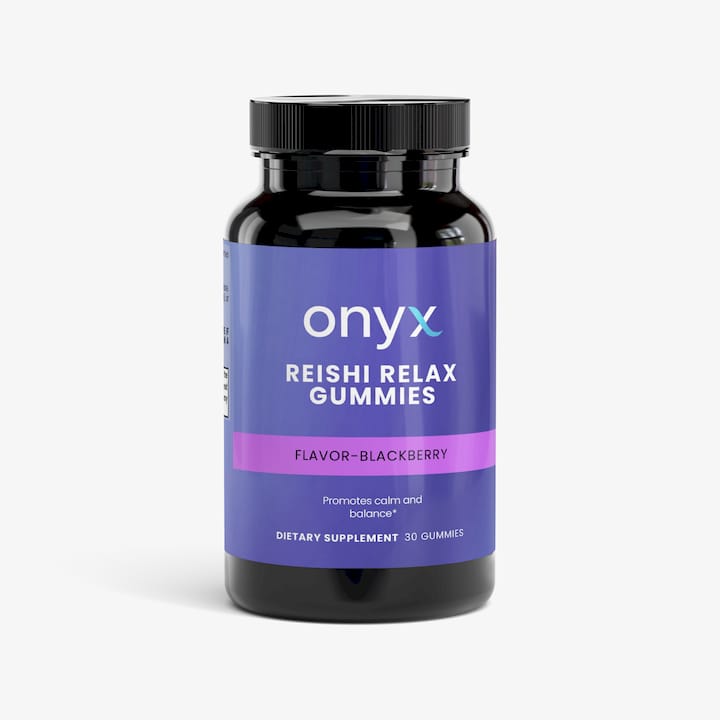
Pro Tip: Look for a supplement facts panel that names the species (Ganoderma lucidum), the part used (fruiting body vs. mycelium), the extract ratio (like 8:1 or 10:1), and ideally a beta-glucan or triterpene percentage. If a label just says “reishi mushroom powder” with no other detail, you’re buying based on faith, not formulation.
If you want a side-by-side sense of how different Onyxwellness formats stack up, the comparison of mushroom focus strips, the Mushroom Extract Complex, and Reishi Relax Gummies walks through exactly this kind of formulation difference.
Reishi Safety, Side Effects, and Drug Interactions
Reishi has a long history of traditional use and a generally mild safety profile at typical supplement doses, but “generally mild” doesn’t mean risk-free, and a handful of specific situations deserve real caution before you start.
Common, milder side effects include digestive upset such as stomach discomfort, nausea, or loose stools, particularly when starting a new product or taking it on an empty stomach. Dry mouth has also been reported.
Rare but serious concerns include isolated reports of liver injury associated with reishi use, according to the Merck Manual’s consumer guidance on Ganoderma. These cases appear uncommon, but they’re serious enough that anyone with existing liver disease should talk to a clinician before adding reishi to their routine.
The medication interaction list deserves your full attention. Reishi has documented or theoretical interaction potential with:
- Anticoagulants and antiplatelet drugs (like warfarin or aspirin), because reishi may have mild blood-thinning properties of its own, raising bleeding risk when combined.
- Chemotherapy drugs, where interactions are poorly studied but plausible given reishi’s effects on immune signaling.
- Blood pressure medications, since reishi may have a mild hypotensive effect that could compound with existing treatment.
- Pregnancy and breastfeeding, where safety data are insufficient, so Merck Manual guidance recommends avoiding use entirely during this period.
The National Center for Complementary and Integrative Health is blunt about a broader issue: well-designed clinical studies on herb-drug interactions are limited across the board, including for reishi. Much of what’s known comes from lab or animal data extrapolated to humans, not confirmed clinical interaction trials. That’s a gap in knowledge, not a green light.
A quick statistic worth sitting with: in the cancer patient survey mentioned earlier, roughly 9% of respondents who used reishi reported an adverse event. That’s not a huge number, but it’s not negligible either, especially in a population already managing complex medication regimens.
Before starting reishi, take these three steps:
- Bring the product label to your pharmacist or prescribing clinician, especially if you take blood thinners, chemotherapy agents, or blood pressure medication.
- Set clear stop rules for yourself: discontinue immediately and seek care for jaundice (yellowing skin or eyes), unusual bleeding or bruising, severe rash, or persistent vomiting.
- If you’re pregnant, breastfeeding, or have existing liver disease, skip reishi until you’ve had a direct conversation with your doctor.
How to Try Reishi for Better Sleep Without Wasting Your Time
If you’ve decided the potential upside is worth a cautious trial, treat it like a small experiment rather than a leap of faith. That mindset alone will save you money and give you a more honest read on whether it’s actually helping.
- Choose a transparent product first. Look for named species (Ganoderma lucidum), disclosed extract type (fruiting body preferred for the triterpene content most linked to calming effects), and ideally third-party testing for purity and potency. Vague labels are a signal to keep looking.
- Establish a two-week baseline before you start. Track your current sleep, roughly what time you fall asleep, how many times you wake, and how you feel in the morning, using a simple notebook, a notes app, or a sleep tracker you already own. You can’t measure improvement against a baseline you never recorded.
- Start at the labeled dose, not a hunch. There’s no established optimal human dose for reishi and sleep, according to WebMD’s consumer overview of reishi mushroom use, so the manufacturer’s suggested serving is your safest starting point, not a floor to build up from.
- Commit to a two-to-six week window. Reishi’s mechanisms, particularly the gut-microbiota pathway identified in the mouse research, suggest effects may build gradually rather than hit on night one. Give it a defined window rather than judging after two nights.
- Change one thing at a time. If you start reishi and simultaneously overhaul your caffeine intake, add melatonin, and rearrange your bedroom, you’ll have no idea what actually moved the needle. Isolate the variable.
- Reread your notes at the end of the trial, not during it. Night-to-night sleep naturally fluctuates due to stress, alcohol, screen time, and a dozen other factors. Look at your two-week average before and after, not individual nights, to separate a real pattern from ordinary variation.
Pro Tip: Never try to back-calculate a “real” dose from the animal research. The mouse study used 25 to 100 mg per kilogram of body weight, a figure meant for controlled lab dosing of a specific extract, not a formula you should scale up to your own body weight. Retail products are formulated differently and tested at their own labeled amounts; converting animal doses yourself is a genuinely unsafe shortcut.
Reishi pairs reasonably in many wellness routines with other researched compounds. If you’re also curious about combining approaches, the natural sleep remedies guide breaks down how different evidence-backed options compare, and behavioral tools matter here too. Practical evening habits, like reducing screen exposure before bed, remain one of the better-supported levers you have, something covered well in this partner resource on screens and teen sleep that applies just as much to adult routines.
Where Onyxwellness Fits in an Evidence-Based Approach to Reishi
Onyxwellness builds its reishi products around the same transparency principle this article keeps returning to: you should know what you’re taking and how it’s meant to be used, without inflated promises attached to it.
The Reishi Relax Gummies are formulated specifically around relaxation and evening wind-down use, giving you a straightforward entry point if you want to trial reishi in isolation, one variable, one product, trackable results. For readers who want a broader mushroom profile rather than reishi alone, the Mushroom Extract Complex Gummies blend reishi with other mushroom extracts researched for focus and overall wellness support. And for anyone who prefers not to chew a gummy before bed, the Sleep Strips use a dissolvable format designed for fast absorption without water, a genuinely practical option if swallowing pills or waiting on a tincture doesn’t fit your nightly routine.
None of these formats change the underlying evidence picture laid out earlier in this guide. Human clinical data on reishi for sleep remain limited, and every safety and interaction consideration above applies regardless of which format you choose. Onyxwellness’s role here is to give health-conscious adults a clearly labeled, transparently sourced way to run their own cautious trial, not to promise an outcome the current research can’t back up. If you’re on anticoagulants, chemotherapy, or blood pressure medication, or you’re pregnant or breastfeeding, that clinician conversation comes first, every time, no matter which product you’re considering.
For a deeper look at raw reishi mushroom forms and how they compare to processed extracts, the dried reishi mushroom guide is worth reading before you commit to any single product type.
Where Reishi Actually Fits in Your Sleep Toolkit
Reishi deserves a place on the table for mild, occasional sleep trouble, not a starring role in treating a real insomnia problem. That’s the distinction I think gets lost most often in how this ingredient gets marketed.
The animal research is genuinely interesting, and the serotonin and gut-microbiota pathways give reishi more scientific footing than a lot of trendy sleep ingredients ever get. But interesting mechanism and confirmed human benefit are two different things, and conflating them does readers a disservice. If you’ve had chronic insomnia for months, meaning trouble falling or staying asleep at least three nights a week for three months or longer, reishi is not the intervention that should be carrying that weight. Cognitive behavioral therapy for insomnia has the strongest evidence base for chronic cases, and it deserves to come first, not last, in that conversation.
Where reishi earns a fair shot is the messier middle ground: stress-related restlessness, occasional wind-down trouble, nights where your mind won’t quiet down. Try it there, track it honestly, and stay skeptical of anyone selling it as a cure.
— Chris
Try Reishi the Transparent Way: Onyxwellness Sleep Formats
If you’ve read this far, you already know the biggest problem with shopping for reishi: most labels won’t tell you the species, the extract type, or the part of the mushroom used, leaving you to guess whether you’re buying something close to what the research actually studied. Onyxwellness built its reishi line around fixing exactly that gap, not around promising a cure the science doesn’t support yet.
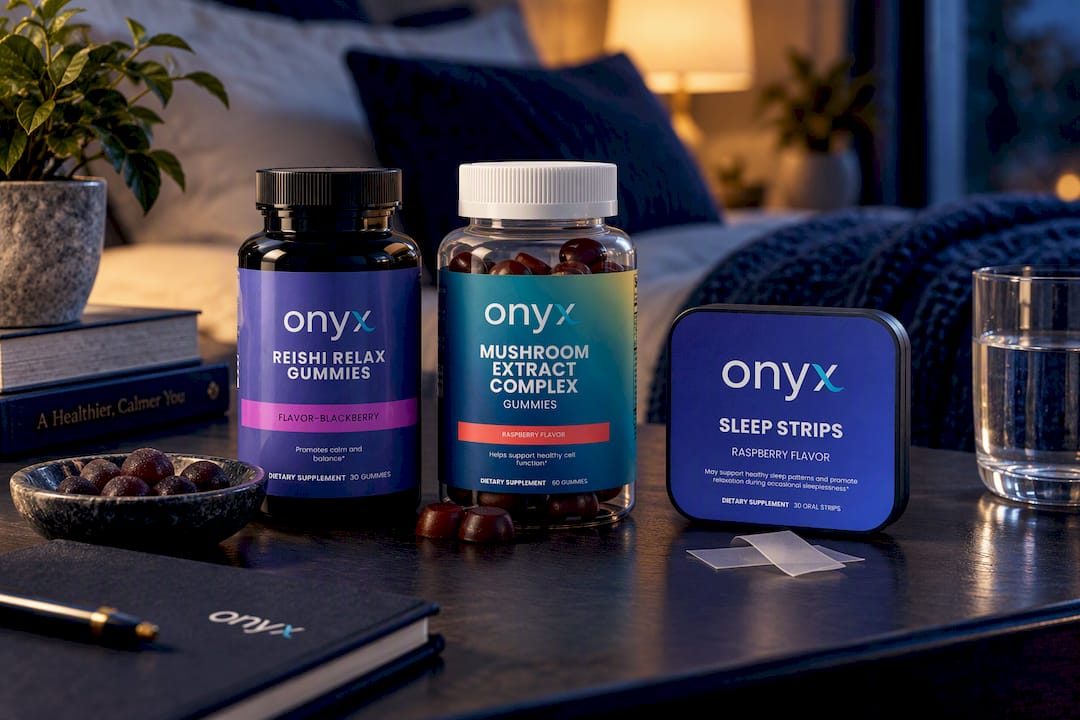
The Reishi Relax Gummies give you a single-focus reishi product, useful if you want to isolate one variable during your two-to-six-week trial the way this guide recommends. The Mushroom Extract Complex Gummies work better if you’d rather get reishi alongside a broader mushroom blend in one convenient format. And the Sleep Strips solve a different problem entirely, no water, no swallowing, just a fast-dissolving strip you can use right at bedtime.
Whichever format fits your routine, the same rule from this entire article still applies: follow the label dose, check with a pharmacist or clinician if you take blood thinners, chemotherapy drugs, or blood pressure medication, and skip it during pregnancy or breastfeeding. Browse the full strips collection or the gummies lineup to compare formats side by side, and if you’re also building strength or recovery into your routine, the creatine and muscle-building line rounds out a fuller wellness stack. Start with whichever product matches how you actually want to take it, and give your two-week baseline a head start before your first dose.
Sources
Every specific claim in this guide traces back to a real study or clinical guidance source, not a marketing summary. Here’s what backed the main points:
- Ganoderma lucidum promotes sleep through a gut microbiota-dependent and serotonin-involved pathway in mice | Scientific Reports
- The anti-fatigue and sleep-aiding effects vary significantly among different recipes containing Ganoderma lucidum extracts
- Herb-Drug Interactions | NCCIH
This article is general information, not a substitute for advice from a qualified doctor. Consult a qualified healthcare professional about your own circumstances before acting on anything here.
FAQ
Does reishi help with sleep?
Reishi shows promising sleep-promoting effects in animal studies, including shortened sleep latency and longer sleep duration in mice, but large human clinical trials specifically testing reishi for sleep don’t currently exist. It’s reasonable to try as an adjunct for mild sleep trouble while keeping expectations realistic.
How much reishi should I take for sleep?
There’s no established optimal human dose for sleep, according to WebMD’s consumer guidance, so the safest approach is following the manufacturer’s labeled serving on a transparent reishi product rather than guessing at a higher amount. Never scale up based on animal research dosing, since those studies used specialized extracts not sold at retail.
What is the strongest herb for insomnia?
No single herb has the strongest, most consistent human evidence for insomnia the way behavioral treatment does; CBT-I remains the first-line treatment recommended by sleep medicine guidance for chronic cases. Herbal options like reishi, ashwagandha, and valerian each have their own limited evidence bases and are better positioned as adjuncts than standalone cures.
Can I take reishi and magnesium together?
Combining reishi with magnesium is generally considered lower risk than mixing multiple sedative-acting supplements, since magnesium’s mechanism (muscle relaxation and nervous system regulation) is distinct from reishi’s proposed serotonin and gut-microbiota pathways. Still, introduce one at a time during a trial period so you can tell which one is actually affecting your sleep, and check with a pharmacist if you’re on other medications.
Is reishi safe to take every night?
For most healthy adults without contraindicating conditions, short-term nightly use at labeled doses appears reasonably well tolerated, though rare cases of liver injury have been reported according to Merck Manual guidance. Anyone on blood thinners, chemotherapy, or blood pressure medication, or who is pregnant or breastfeeding, should talk to a clinician before nightly use.