


For most gym-goers, the best approach is a clinically dosed, transparent-label pre-workout with third-party testing, not the loudest brand on the shelf. If you want the short answer before the deep dive, here are three picks that hold up under scrutiny.
- Best overall: A fully disclosed formula with at least 6 g of L-citrulline, 3.2 g of beta-alanine, and 150–200 mg of caffeine, third-party tested by NSF or Informed-Sport. This profile delivers real performance without the side-effect lottery of over-stimulated blends.
- Best value: A mid-tier powder that hits clinical doses on the key actives (citrulline, beta-alanine, creatine) without charging for exotic extras. Price per serving at a reasonable level is achievable at this tier.
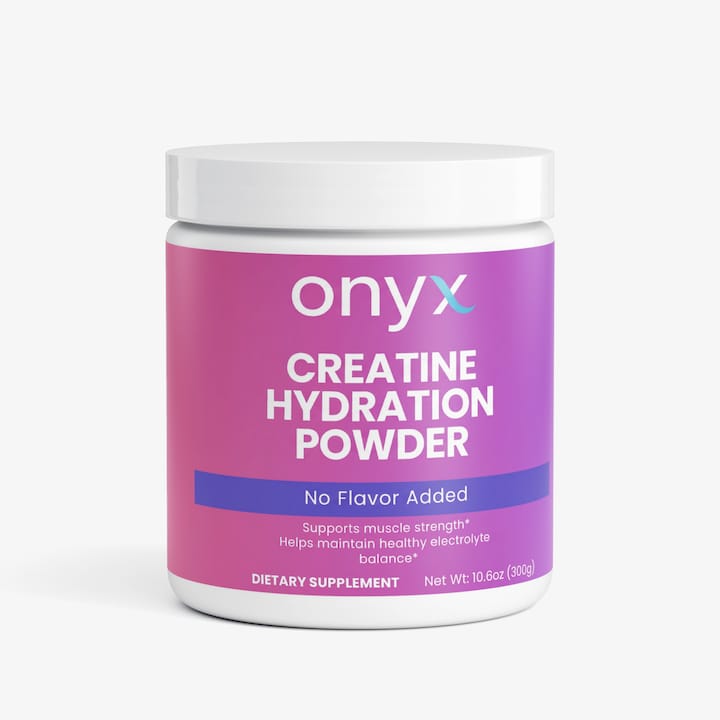
- Best stim-free or alternative format: Onyxwellness dissolvable strips or a creatine hydration powder for training days when you need performance support without caffeine. The FDA caffeine guideline caps safe daily intake at 400 mg for most healthy adults, and stim-free options let you stay well under that ceiling on high-volume training weeks.
The rest of this article gives you the evidence behind those picks, a side-by-side comparison, individual product reviews, and a plain-language guide to choosing what actually fits your training.
Key Takeaways
Clinically dosed, third-party-tested pre-workouts with transparent labels consistently outperform high-stimulant, proprietary-blend products on both safety and real-world performance.
| Point | Details |
|---|---|
| Prioritize clinical doses | Look for at least 6 g of L-citrulline, 3.2 g of beta-alanine, and 3–5 g of creatine per serving. |
| Verify third-party testing | NSF Certified for Sport or Informed-Sport certification is the minimum trust standard before buying. |
| Respect the caffeine ceiling | Most healthy adults should stay under 400 mg of total daily caffeine, per Mayo Clinic guidance. |
| Rotate stim and stim-free | Cycling stimulant and stim-free formulas reduces habituation and protects long-term caffeine sensitivity. |
| Onyxwellness fills the gaps | Sleep Strips, Digestive + Gut Health Strips, and Hangover Strips cover recovery, portability, and GI support that powders cannot. |
Table of Contents
- Pre-workout reviews: how the top options compare
- Detailed reviews of the top pre-workout picks
- How we test and select pre-workout supplements
- How to choose the right pre-workout for your goals
- What are the real side effects of pre-workout supplements?
- When does a strip, pill, or stim-free formula beat a powder?
- The case for thinking long-term about pre-workout use
- Onyxwellness products that fit your training stack
- Sources
- FAQ
Pre-workout reviews: how the top options compare
The table below covers the decision-driving specs for the shortlisted formulas. One note on format: Onyxwellness dissolvable strips and creatine hydration powder are included as format alternatives, not direct powder replacements. They fill specific gaps (portability, stim-free days, recovery) that standard powders leave open.
High-stimulant formulas frequently cause jitters and crashes; transparent, third-party-tested formulas tend to deliver more consistent, trustworthy results. That single observation is the most useful filter you can apply before spending a dollar.
The biggest differentiator when choosing between these tiers is not flavor or brand recognition. It is stim intensity versus ingredient transparency. If you train twice a day or have caffeine sensitivity, a stim-free or low-stim formula with full clinical doses of citrulline and creatine will serve you better than a high-caffeine powder with a proprietary blend hiding the actual amounts.
Detailed reviews of the top pre-workout picks
Top-tier stimulant powder
Overview: This category represents the gold standard for pre-workout reviews: a fully disclosed label, clinical doses across all major actives, and a third-party certification you can verify. The formula targets strength athletes and intermediate-to-advanced lifters who train at high intensity and want measurable pump, endurance, and focus.
Pros:
- Full label disclosure with exact milligram amounts per active
- Citrulline at 6–8 g supports nitric-oxide-mediated pump benefits
- Beta-alanine at 3.2 g meets the clinical threshold shown in peer-reviewed research to improve endurance and fatigue resistance
- Third-party tested, reducing banned-substance risk for competitive athletes
Cons:
- Price per serving is typical for this tier, adding up over frequent use
- Some users may experience tingling from beta-alanine (paresthesia)
- Higher caffeine content may impact sleep if taken later in the day
Bottom line: If you want the most reliable performance return per dollar spent on a stimulant powder, this tier is where to start. Verify the certification seal before buying.
Mid-tier value powder
Overview: This category hits the same clinical doses on citrulline and beta-alanine as the top tier but trims cost by skipping premium branding and some secondary actives. For most recreational lifters, the performance gap versus a top-tier product is small.
Who it’s for: Gym-goers training four or fewer days per week who want real ingredients at a price that does not require a budget spreadsheet.
Pros:
- Citrulline at 6 g and beta-alanine at 3.2 g cover the two most evidence-backed actives
- Price per serving under $1.80 makes daily use sustainable
- Informed-Sport certification available on leading options in this tier
Cons:
- May lack creatine, requiring a separate supplement
- Flavor options are narrower than premium brands
- Mixability can be inconsistent across batches
Bottom line: A sensible choice for the budget-aware lifter who still wants clinical doses. Pair it with a creatine hydration powder on recovery days to fill the creatine gap without adding more stimulants.
Stim-free powder
Overview: Stim-free formulas include pump and endurance actives like citrulline, beta-alanine, and creatine, but omit caffeine and stimulants. They are underused and underrated for afternoon training, deload weeks, and anyone managing caffeine intake carefully.
Who it’s for: Evening trainers, caffeine-sensitive athletes, and lifters who already consume coffee or other caffeinated beverages and want to stay under the 400 mg/day guideline.
Pros:
- No crash, no sleep disruption
- Creatine at 3–5 g per serving supports strength and recovery
- Suitable for daily use without stimulant habituation
Cons:
- No acute energy or focus lift from caffeine
- Some users find motivation harder without a stimulant on heavy training days
- Fewer third-party-tested options in this category
Bottom line: Stim-free powders are not a consolation prize. For high-frequency trainers, rotating them with stimulant products is one of the smarter long-term strategies available.
Key stat: Research published on PubMed confirms caffeine’s ergogenic effects are real, but dose-dependent side effects are equally real. Knowing your personal threshold matters as much as the product’s caffeine content.
How we test and select pre-workout supplements
The methodology here favors transparent, clinically dosed, third-party-tested formulas, because those are the products that consistently score highest in both lab checks and real-use testing. Editorial testing confirms that clinical doses and transparent labels correlate directly with higher real-world performance scores.
Testing follows a structured sequence:
- Label vs. lab verification: Cross-reference disclosed ingredient amounts against available third-party lab data and Certificates of Analysis where accessible.
- Real-use testing: Products are taken 30–45 minutes before training sessions of varying intensity (strength days, conditioning days, deload days) to assess onset, peak effect, and crash profile.
- Flavor and mixability: Tested in 8–12 oz of cold water; scored on dissolution time, texture, and aftertaste.
- Consistency checks: Multiple batches assessed where possible to catch batch-to-batch variation.
- Cost-per-serving calculation: Based on the manufacturer’s listed serving size and retail price, not a “loading” dose.
- Third-party certification: NSF Certified for Sport and Informed-Sport are the two accepted standards; products without either are flagged.
The rating dimensions are formulation quality, label transparency, real-use effects, taste and mixability, value per serving, and third-party testing status. Each dimension carries equal weight in the final score.
Testing draws on supplement timing and absorption literature to validate the 30–45 minute intake window used across all real-use sessions. Clinical literature cross-checks are conducted for each key active to confirm whether the disclosed dose falls within the range studied in peer-reviewed trials.
How to choose the right pre-workout for your goals
Start with your training goal, not the marketing copy on the tub. The right formula for a powerlifter peaking for a meet looks nothing like the right formula for someone doing five-day hypertrophy blocks.
Decision framework:
- Identify your primary goal: Strength and power output, muscular endurance, focus and mental drive, or pump and vascularity. Each prioritizes different actives.
- Assess your stim tolerance: If you are sensitive to caffeine or train in the evening, a stim-free or low-caffeine option is not a downgrade. It is the correct choice.
- Check your total daily caffeine: Add up coffee, tea, energy drinks, and any other supplements before choosing a pre-workout dose. Staying under 400 mg/day is the practical target for most adults.
- Decide on format: Powder is the most flexible for ingredient density. Strips and pills trade density for portability and convenience.
Clinical dose targets to look for:
- L-citrulline: 6–8 g per serving for pump and endurance benefits
- Beta-alanine: 3.2 g per serving, supported by clinical evidence for fatigue resistance
- Creatine: 3–5 g per serving for strength and recovery
- Caffeine: 150–200 mg for most users; up to 300 mg for experienced users with high tolerance
Red flags to avoid:
- Proprietary blends that list ingredients without milligram amounts
- No third-party certification (NSF or Informed-Sport)
- Artificial dyes, excessive sweeteners, or undisclosed “natural flavors” as primary ingredients
- Excessively high caffeine per serving without a clear label warning
Pro Tip: Cycle your stimulant pre-workout: use a stim-based formula on your three to four hardest training days per week, and switch to a stim-free option or creatine hydration powder on lighter days. This reduces habituation and keeps your caffeine sensitivity from creeping up over time.
Checking for transparent supplement labeling before buying is one of the simplest ways to avoid wasting money on under-dosed products.
What are the real side effects of pre-workout supplements?
The most common side effects from pre-workout supplements are jitters, elevated heart rate, and a post-workout energy crash. The primary cause is excessive stimulants or poorly calibrated blends where caffeine is high but supporting ingredients are under-dosed.
Practical safety steps:
- Start with half the recommended dose on your first use to assess tolerance
- Never stack a pre-workout with other caffeinated products on the same day without calculating your total intake
- Keep total daily caffeine under 400 mg, the level Mayo Clinic identifies as the safe upper limit for most healthy adults
- Avoid pre-workouts containing DMAA, DMHA, or other stimulants flagged by the FDA as potentially unsafe
- If you have a heart condition, high blood pressure, or are pregnant, consult a physician before using any stimulant-containing supplement
Artificial additives in some powders can also trigger GI discomfort. If you notice bloating or cramping, the culprit is often a sugar alcohol (like sorbitol or maltitol) or a high dose of magnesium in the formula. Switching to a cleaner formulation or a strip-format product sidesteps most of those issues. For more on how artificial additives affect digestive health, the digestive health guide from Onyxwellness covers the practical details.
High-stimulant pre-workouts commonly cause jitteriness and elevated heart rate, and some products hide under-dosed actives behind proprietary blends. That combination is the worst of both worlds: real side effects, minimal real benefit.
Who should be especially cautious:
- Anyone under 18
- Pregnant or breastfeeding individuals
- People with diagnosed cardiovascular conditions
- Those taking medications that interact with stimulants (SSRIs, MAOIs, certain blood pressure medications)
This article provides general information, not medical advice. Confirm supplement choices with a qualified healthcare provider if you have any underlying health conditions.
When does a strip, pill, or stim-free formula beat a powder?
Format matters more than most pre-workout reviews acknowledge. Powder is the default because it allows the highest ingredient density per serving, but it is not always the right tool.
Format trade-offs:
- Powder: Highest flexibility for stacking actives; requires water and a shaker; not ideal for travel or pre-gym commutes.
- Pill/capsule: Portable and precise; slower absorption than powder; harder to hit clinical doses of citrulline or beta-alanine in a reasonable number of capsules.
- Dissolvable strip: Fast absorption, no water needed, genuinely portable. Best for low-to-moderate active doses (sleep support, gut health, hangover recovery, light energy). Onyxwellness strips are built on this model.
- Gummy: Convenient and palatable; absorption is slower than strips; sugar content varies.
When to choose stim-free:
Use a stim-free formula or a creatine hydration powder on deload weeks, active recovery days, or any session that starts after 4 PM. Creatine’s well-documented role in strength and recovery makes it a logical anchor for stim-free days: you still support performance adaptation without loading your CNS.
Onyxwellness natural sports nutrition supplements fit this gap well. The creatine hydration powder pairs with any stimulant pre-workout on hard training days and stands alone on recovery days. The strip format (Sleep Strips, Digestive + Gut Health Strips, Hangover Strips) handles the recovery side of the equation: better sleep, reduced GI friction, and faster bounce-back after social events that disrupt your routine.
Pro Tip: Take your pre-workout 30–45 minutes before training. Strips absorb faster than powders because they bypass the digestive breakdown step, so if you use a strip-format product, you can shorten that window to 20–30 minutes. Powder-based formulas with creatine benefit from consistent daily dosing regardless of training timing.
For stim-free energy alternatives that support performance without caffeine, Onyxwellness has a curated set of options worth reviewing before your next training block.
The case for thinking long-term about pre-workout use
Most pre-workout reviews focus on the acute experience: the pump, the tingle, the energy spike. That framing misses the more important question, which is whether your supplement stack is sustainable across a full training year.
Stimulant habituation is real. If you use a high-caffeine pre-workout every single training day, your baseline caffeine sensitivity drops, and you end up needing more to get the same effect. The smarter play is to treat stimulant pre-workouts as a tool for your hardest sessions, not a daily ritual. Rotating stim and stim-free weeks, and anchoring your non-stim days with creatine and citrulline, keeps your sensitivity calibrated and your results consistent.
Ingredient transparency is not just a trust signal. It is the only way to know whether you are actually getting a clinical dose of anything. A product with a proprietary blend might contain 6 g of citrulline or it might contain 1 g. You cannot tell from the label. That uncertainty is not a minor inconvenience; it is the difference between a product that works and one that costs you money and delivers nothing measurable.
The practical habit worth building: before you buy any pre-workout, check the label for exact milligram amounts on every active, look for an NSF or Informed-Sport seal, and calculate the price per effective serving rather than the price per tub. That three-step check filters out the majority of underperforming products before you spend a dollar.
Onyxwellness products that fit your training stack
Powder-heavy pre-workout stacks leave two gaps that most lifters ignore: recovery-day support and portable, low-stim options for travel or late-day sessions. Onyxwellness fills both without adding more stimulants to your day.
For recovery nights after hard training, the Sleep Strips deliver fast-absorbing support without water, no sugar, and no synthetic additives. Better sleep is the most underrated performance variable in any training program, and a strip-format product you can take anywhere removes every excuse not to prioritize it.
If GI discomfort from heavy powder use is a recurring issue, the Digestive + Gut Health Strips offer a clean, convenient solution that supports digestion without the artificial sweeteners that trigger most supplement-related stomach complaints.
After events that disrupt your recovery routine, the Hangover Strips provide fast-absorbing support to get you back on track before your next session. All three strip formats are sugar-free, travel-ready, and built on natural ingredients that align with the same transparency standards this article applies to every pre-workout reviewed. Browse the full Onyxwellness collection and add the strips that fit your training week.
Sources
The claims in this article draw on peer-reviewed literature, major editorial testing roundups, and clinical guidance from recognized health authorities. The sources below support the safety, dosing, and format recommendations throughout.
- Best Pre-Workouts 2026 - Forbes Vetted
- Best Pre-Workout (2026) : Personally Tested | Garage Gym Reviews
- Pubmed
- Pubmed
- Pmc
- Pubmed
- Mayoclinic
- Ncbi
This article is general information, not a substitute for advice from a qualified doctor. Consult a qualified healthcare professional about your own circumstances before acting on anything here.
FAQ
Does pre-workout actually work?
Yes, for most people. Caffeine reliably improves performance, and ingredients like citrulline and beta-alanine have solid peer-reviewed support at clinical doses. The key is choosing a product that actually delivers those doses rather than hiding them in a proprietary blend.
What is the downside of taking pre-workout?
The most common downsides are jitters, elevated heart rate, and a post-workout crash, all of which are primarily caused by excessive caffeine or poorly balanced stimulant blends. Staying under 400 mg of total daily caffeine and starting with half a dose on your first use reduces most of these risks.
How long does it take for pre-workout to kick in?
Most powder-based pre-workouts reach peak effect roughly 30–45 minutes after ingestion. Strip-format products absorb faster because they bypass full digestive breakdown, so the window can shorten to 20–30 minutes.
What should I look for in a top-rated pre-workout?
Look for a fully disclosed label with exact milligram amounts, at least 6 g of L-citrulline, 3.2 g of beta-alanine, and a caffeine dose matched to your tolerance. An NSF Certified for Sport or Informed-Sport seal confirms the formula has been independently verified.
Are stim-free pre-workouts worth it?
Absolutely, especially for evening training, high-frequency training weeks, or anyone managing total daily caffeine. A stim-free formula with clinical doses of citrulline and creatine still delivers measurable pump and recovery benefits without the crash or sleep disruption.