


The most reliable path to natural appetite control comes from stacking a handful of behaviors: enough protein, enough fiber, water before meals, real sleep, and a way to defuse stress eating. Herbs and fiber supplements like glucomannan or fenugreek can add a modest edge on top of that foundation, but they only work when your medical history checks out and expectations stay realistic. None of this replaces a conversation with your doctor if hunger patterns suddenly change.
TL;DR:
- Drinking two cups of water before meals and consuming 20 to 30 grams of protein at each meal can significantly curb immediate hunger.
- Viscous fibers like glucomannan and psyllium offer modest appetite reduction, but supplements generally provide only a small, short-term boost.
- Adequate sleep between seven and nine hours and stress management are crucial to maintaining hormonal balance and predictable hunger signals.
- Small habit changes such as slowing meals, using smaller plates, and tracking hunger patterns can make a measurable difference within weeks.
- Supplements like Onyxwellness strips support routine habits but should be used alongside consistent food choices, hydration, and sleep for best results.
Table of Contents
- How Do You Control Hunger Naturally?
- Which Herbs and Supplements Actually Reduce Hunger?
- What Small Habit Changes Make the Biggest Difference This Week?
- When Should You Talk to a Doctor About Appetite Changes?
- How Onyxwellness Fits Into a Behavior-First Plan
- A Convenient Complement: Appetite Balance & Weight Support Strips
- Sources
- FAQ
How Do You Control Hunger Naturally?
Appetite control isn’t about willpower. It’s about giving your body fewer reasons to send hunger signals in the first place, and that starts with what’s on your plate before it starts with what’s in a supplement bottle.
Protein first, every meal. Aim for enough protein each meal to feel satisfying, whether that’s two eggs and Greek yogurt at breakfast or a lentil bowl at lunch. Protein blunts hunger more effectively than equivalent calories from fat or carbohydrates, and research on protein and satiety shows this effect holds across a wide range of meal types and body compositions. A simple test: eat a high-protein breakfast one day and a carb-heavy one the next, then track your hunger at the two-hour and four-hour marks. Most people notice the difference by lunchtime.
Fiber does the heavy lifting between meals. Oats, legumes, and non-starchy vegetables add bulk and slow gastric emptying, which keeps stomach stretch receptors signaling “full” longer. Viscous fibers in particular, the kind found in oats and psyllium, form a gel in the gut that physically delays how fast food moves through your system.
Water before meals is almost too simple to believe. Drinking around 500 milliliters, about two cups, before a meal measurably reduces how much you eat at that meal. Coffee and tea can help too, since caffeine has a mild appetite-suppressing effect, but keep total caffeine intake moderate and within generally safe limits for most adults.
Sleep and stress are the parts people skip. Get adequate sleep every night, usually between seven and nine hours. Sleep debt raises ghrelin, the hormone that drives hunger, and blunts leptin, the one that signals fullness. Pair that with a stress-reduction habit, because cortisol spikes drive cravings for calorie-dense foods regardless of actual energy needs.
- Short walks or breathing exercises after stressful meetings
- A consistent wind-down routine before bed
- Journaling or a five-minute check-in before reaching for a snack
Exercise has a short window of appetite suppression, especially high-intensity work, right after a session. It won’t override a bad night’s sleep, but Regular moderate exercise supports hormonal balance that helps keep hunger predictable.
Pro Tip: Stack two tactics instead of one. Drink water and eat a protein-forward breakfast on the same morning, and you’ll likely blunt hunger longer than either habit alone.
Clinical guidance from the Cleveland Clinic on natural appetite suppressants backs this same combination: food choices, hydration, sleep, and movement, working together rather than any single fix. For a deeper walkthrough of these tactics, Onyxwellness has a longer breakdown of seven strategies worth reading.
Which Herbs and Supplements Actually Reduce Hunger?
The evidence for herbal appetite control is real but modest, and it’s worth knowing exactly what “modest” means before you spend money on a bottle.
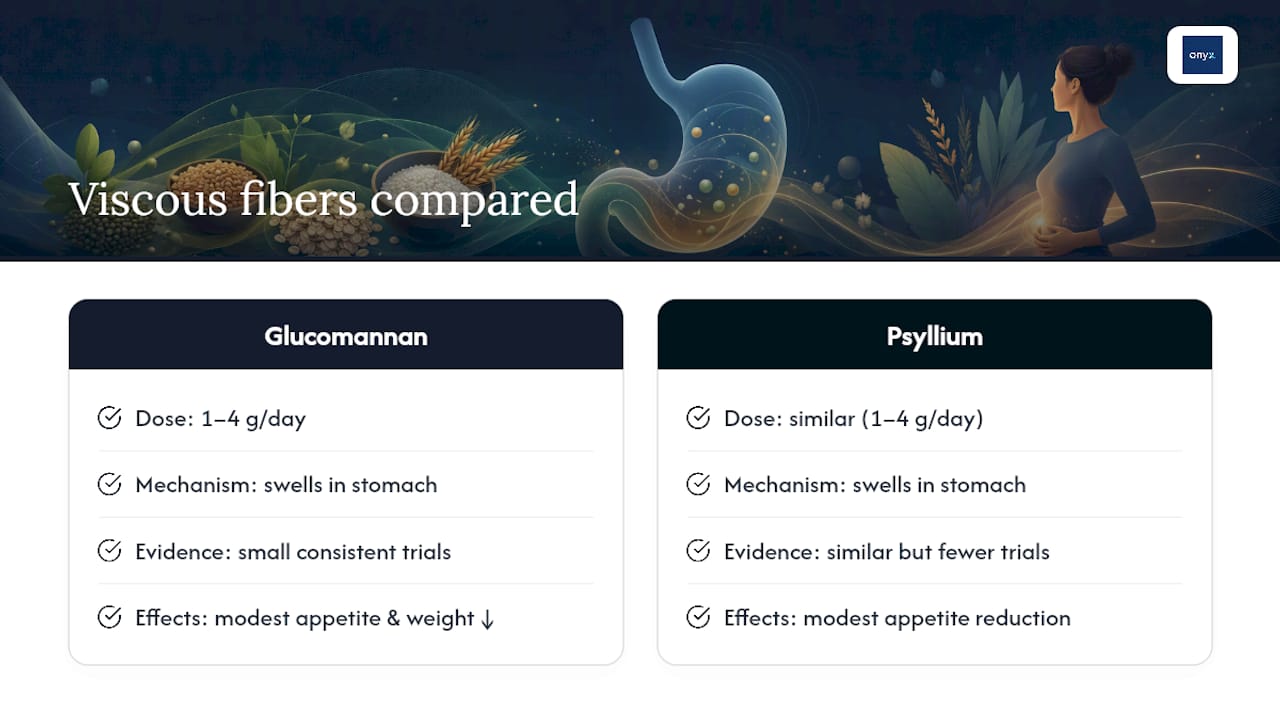
Viscous fibers have the strongest data. Glucomannan, studied at doses of roughly 1 to 4 grams a day, works by swelling in the stomach and slowing digestion. Trials show small but consistent reductions in appetite and body weight when it’s paired with a normal diet. Psyllium works through a similar mechanism. Start at the low end of the dose range and increase gradually, since a fast ramp-up tends to cause bloating and gas.
Fenugreek shows short-term appetite reductions in small studies, though the evidence base is thinner than for viscous fibers, and most trials run only a few weeks.
Caffeine sources, including green tea and yerba mate, produce mild appetite and metabolic effects. Stick to the same 400 mg daily caffeine ceiling mentioned earlier, and count every source, including coffee and energy drinks, toward that total.
Ginger, capsaicin, and dark chocolate show up in small trials with modest, often subjective appetite effects. Think of these as minor supporting players, not standalone strategies.
One systematic review of supplement evidence found that most trials testing these ingredients are small or short in duration, meaning effect sizes are frequently overstated relative to what a longer, larger study would likely show.
Safety matters more here than with food. Supplements aren’t regulated the way medications are, so contamination and mislabeled doses happen. Skip these ingredients, or check with your doctor first, if you’re pregnant, managing diabetes, or taking blood thinners like warfarin, since some fibers and herbs can interact with medication absorption.
What Small Habit Changes Make the Biggest Difference This Week?
- Slow down deliberately. Put your fork down between bites, chew fully, and wait 20 minutes before deciding you want seconds. Fullness signals take time to register.
- Shrink the plate. Smaller plates and pre-portioned containers reduce how much you serve yourself without any conscious effort.
- Start with water or a small protein snack. A glass of water or a cup of broth-based soup before dinner reliably lowers how much you eat once the main meal arrives.
- Try time-restricted eating, cautiously. A 12 hour eating window is a gentle starting point. Skip fasting entirely if you have a history of disordered eating, are pregnant, or manage blood sugar with medication.
- Track it for two to four weeks. Rate hunger on a simple 1 to 10 scale before and after meals, note your energy levels, and watch for patterns instead of judging any single day.
When Should You Talk to a Doctor About Appetite Changes?
Most hunger fluctuations respond to the habits above within a few weeks, but some patterns need professional attention rather than another supplement. Rapid, unexplained weight change, hunger that persists no matter how much you eat, or eating patterns that feel out of your control are signs worth raising with a clinician, since they can point to thyroid issues, medication side effects, or disordered eating.
Supplement labels sometimes promise more than a small trial can support, and regulatory gaps mean quality varies between brands. Realistically, behavior changes tend to show modest appetite reductions within two to four weeks, while supplements add a smaller, often short-term boost on top of that. For readers weighing natural approaches against prescription options, Onyxwellness has addressed that comparison directly, and Cosmolaser’s overview of GLP-1 therapies is a useful read if a prescription route is on the table.
How Onyxwellness Fits Into a Behavior-First Plan
Onyxwellness builds its appetite-support strips around Ayurvedic-inspired formulations, sugar-free and dissolvable, so they absorb fast without water. That makes them a practical fit for the moments willpower alone struggles with: a rushed morning, a travel day with no kitchen access, or the 20 minutes before a meal when a habit reset would help most.
They’re built to complement the strategies above, not replace them. A strip won’t do what consistent protein and sleep already do, but it can support the routine you’re building. For readers who want the fuller lifestyle context, Onyxwellness’s guide on supporting appetite balance long term walks through how supplements and daily habits work together.
— Chris
A Convenient Complement: Appetite Balance & Weight Support Strips
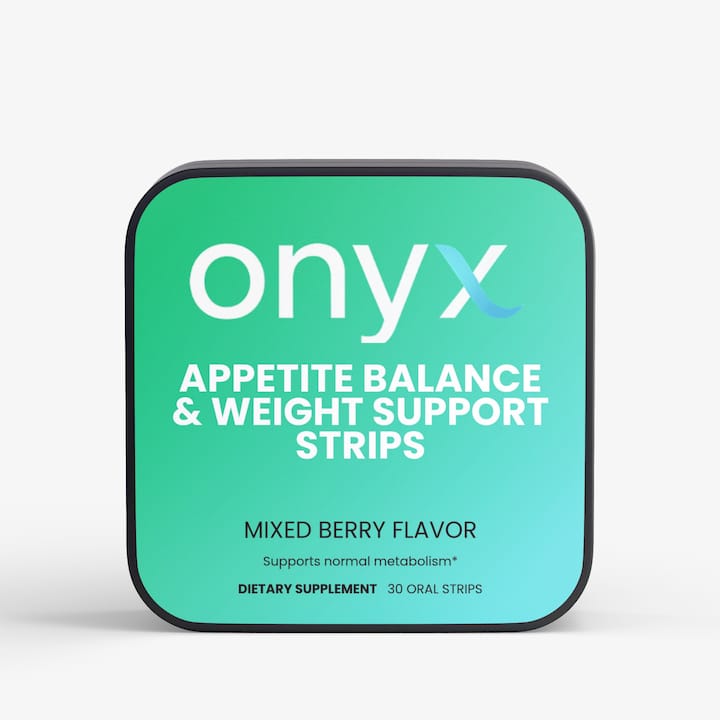
Onyxwellness makes the natural approach easier to stick with, not harder. The Appetite Balance & Weight Support Strips dissolve on the tongue in seconds, which means you can use one before a meal without hunting for a glass of water or a pill organizer.
- Fast absorption, no water required
- Sugar-free formula built for daily use
- Easy to carry for travel, work, or busy mornings
Use one roughly 15 to 20 minutes before a meal, alongside the water and protein habits covered above, not instead of them. If you’re pregnant, managing a medical condition, or taking prescription medication, check with your doctor before adding any new supplement. Onyxwellness also carries Libido Support Strips and the rest of its dissolvable strip lineup built on the same fast-absorbing format. Visit the product page to see current options and start with a single strip before your next meal.
This article is general information, not a substitute for advice from a qualified doctor. Consult a qualified healthcare professional about your own circumstances before acting on anything here.
Sources

- Natural Appetite Suppressants: Tips To Feel Fuller, Longer — Cleveland Clinic
FAQ
What is the fastest way to reduce hunger naturally?
Drinking about two cups of water before a meal and prioritizing 20 to 30 grams of protein at that meal are the two fastest, best-supported tactics for cutting hunger in the moment.
Do appetite-control supplements actually work?
Viscous fibers like glucomannan show modest, consistent effects in clinical trials, while herbs like fenugreek show short-term promise with thinner evidence, so expect supplements to add a small boost rather than carry the whole effort.
How much protein do I need to feel full?
Most research points to roughly 20 to 30 grams of protein per meal for a meaningful satiety effect, achievable through eggs, Greek yogurt, legumes, or lean meat.
Can Onyxwellness strips replace healthy eating habits?
No. Onyxwellness’s Appetite Balance & Weight Support Strips are designed to complement habits like protein intake and pre-meal water, not substitute for them.
When is appetite loss or increase a medical concern?
Rapid weight change, hunger that doesn’t ease no matter how much you eat, or eating patterns that feel out of control are signs to bring up with a doctor rather than manage with diet alone.