


Some medicinal mushrooms have specific, evidence-backed uses. Turkey tail’s PSK extract works as a genuine oncology adjuvant, cordyceps produces modest endurance gains, reishi supports sleep and stress recovery, and lion’s mane is a reasonable eight to twelve week cognitive experiment. Most broad “immune-boosting” claims you see on packaging, though, are marketing dressed up as science. If you’re dealing with a serious condition, loop in your doctor before adding any of these to your routine.
TL;DR:
- Turkey tail’s PSK extract is the only mushroom compound with robust clinical evidence showing it improves cancer survival when used alongside chemotherapy.
- Cordyceps has been shown to modestly boost exercise tolerance by around 5 to 7 percent at doses of 2 to 3 grams daily, with effects dependent on extract quality.
- Reishi may support sleep and stress recovery, but inconsistent product potency and limited human trials mean results vary and are less conclusive.
- Lion’s mane has a plausible biological mechanism for cognitive support, but human trial outcomes are mixed, making it more suitable for personal experimentation.
- Most medicinal mushrooms are safe for healthy adults, but those on blood thinners, undergoing cancer treatment, or pregnant should consult a doctor before use.
Table of Contents
- What Are Medicinal Mushrooms, and What Do They Actually Do?
- Which Medicinal Mushrooms Have the Strongest Evidence?
- How Do Beta-Glucans, Triterpenes, and Other Bioactives Work?
- What Does the Clinical Evidence Actually Prove?
- How Should You Take Medicinal Mushrooms, and What Dose Works?
- Are Medicinal Mushrooms Safe? Interactions and Cautions to Know
- How Onyxwellness Approaches Mushroom Supplementation
- A Realistic Way to Think About Mushroom Supplements
- Which Onyxwellness Product Fits Your Goal?
- Sources
- FAQ
What Are Medicinal Mushrooms, and What Do They Actually Do?
“Medicinal mushrooms” is the umbrella term for fungi that produce compounds with measurable effects on the body, distinct from culinary mushrooms grown mainly for flavor. You’ll also see them called functional mushrooms, and the terms overlap heavily. Some, like shiitake and maitake, sit in both camps: they’re food and they carry bioactive compounds worth knowing about.
There are two ways people use them. Whole-food use means eating the mushroom itself, which gets you fiber, some polysaccharides, and modest amounts of active compounds. Extracts and supplements concentrate those compounds, sometimes at ratios like 10:1 or higher, aiming to deliver a dose closer to what clinical trials actually tested. This distinction matters more than most product labels let on. A shiitake stir-fry and a shiitake extract capsule are not interchangeable in terms of what reaches your bloodstream.
Across the research, functional mushroom benefits tend to cluster into a handful of categories:
- Immune modulation. Polysaccharides and beta-glucans interact with immune receptors, sometimes calming an overactive response and sometimes sharpening a sluggish one.
- Cognitive support. Lion’s mane in particular is studied for its potential to support nerve growth signaling.
- Sleep and stress adaptation. Reishi shows up repeatedly in research on relaxation and sleep quality.
- Endurance and energy. Cordyceps has the clearest data here, tied to oxygen utilization during exercise.
- Antioxidant and anti-inflammatory activity. Chaga and shiitake both carry compounds studied for oxidative stress reduction.
- Metabolic signals. Maitake has some early research interest around blood sugar regulation, though this area remains thin.
To parse any of this on a supplement label, it helps to recognize the key bioactive classes: polysaccharides and beta-glucans (immune activity), triterpenes (reishi’s signature compounds), erinacines and hericenones (lion’s mane’s nerve-related compounds), cordycepin (cordyceps’ namesake active), and ergothioneine, an antioxidant amino acid particularly concentrated in shiitake. Knowing these names turns a vague “supports wellness” label into something you can actually evaluate.
Which Medicinal Mushrooms Have the Strongest Evidence?
Not every mushroom on a supplement shelf has earned its reputation the same way. Here’s a species-by-species breakdown of what’s actually been studied, how strong that evidence is, and what a reasonable person should expect.
Turkey Tail: The One With Real Clinical Backing
Turkey tail (Trametes versicolor) stands apart from the rest of this list because its primary extract, PSK (polysaccharide-K), isn’t just a wellness supplement in some countries. It’s an approved adjuvant cancer therapy in Japan, used alongside chemotherapy rather than instead of it.
Statistic Callout: Randomized trials conducted in Japan found that adding PSK to standard chemotherapy regimens improved long-term survival in certain colorectal and gastric cancer cohorts. That’s a meaningfully different evidence tier than “may support immune health” claims you see elsewhere. This is one of the very few mushroom compounds with survival data behind it, not just surrogate markers like inflammatory blood counts.
The mechanism runs through immune modulation, PSK and its cousin PSP appear to activate immune cells that help the body respond to malignant tissue. The National Cancer Institute’s PDQ summary on medicinal mushrooms addresses this directly, and it’s worth reading if you or someone you know is weighing mushroom extracts during active cancer treatment.
Here’s the practical note that matters most: if you’re in active cancer treatment, this is not a supplement to add on your own initiative without reviewing potential PEMF therapy side effects and interactions with your oncologist. Talk to your oncologist first. Some immune-modulating compounds can interact with chemotherapy or immunosuppressive drugs in ways that aren’t always predictable.
Cordyceps: Modest, Real, Dose-Dependent
Cordyceps (traditionally Ophiocordyceps sinensis, though most commercial products use lab-cultivated Cordyceps militaris) has become the go-to mushroom for athletes chasing an edge. The evidence here is real but modest, not the dramatic energy boost some marketing implies.
Several controlled trials found that cordyceps supplementation produced measurable gains in exercise tolerance and VO2 max, improvements in the range of 5 to 7 percent over six to twelve week interventions. The dosing in these trials tended to sit around 2 to 3 grams per day. That’s a specific, replicable number, which is more than most mushroom supplements can claim.
The active compound driving this is cordycepin, which appears to influence how efficiently the body uses oxygen during sustained effort. Benefits depend heavily on dose and extract quality: a cordyceps product using mycelium grown on grain, rather than the actual fruiting body, may deliver a fraction of the cordycepin content used in these trials.
Pro Tip: If endurance is your specific goal, don’t reach for a ten-species blend. A concentrated, single-species cordyceps extract dosed at levels closer to what trials actually used will get you closer to a replicable effect than a proprietary blend where cordyceps might be one-tenth of the formula.
Reishi: Sleep and Stress, With Caveats
Reishi (Ganoderma lucidum) is the mushroom most associated with relaxation, and the reputation has some backing, though not the ironclad kind. Small trials and reviews show signals for improved sleep quality and immune markers, but the sample sizes are limited and results are mixed across studies.
Reishi’s signature bioactives are triterpenes, a different chemical class from the beta-glucans that dominate turkey tail and cordyceps. Triterpenes are thought to interact with stress-response pathways, which lines up with reishi’s traditional use as a calming agent in East Asian medicine going back centuries.
Product authenticity is a bigger issue with reishi than with most other species on this list. Because triterpene content varies wildly depending on growing conditions, harvest timing, and extraction method, two products both labeled “reishi extract” can differ enormously in actual potency. That variability is part of why clinical results have been inconsistent. It’s not necessarily that reishi doesn’t work; it’s that the reishi being tested isn’t always comparable from one study to the next.
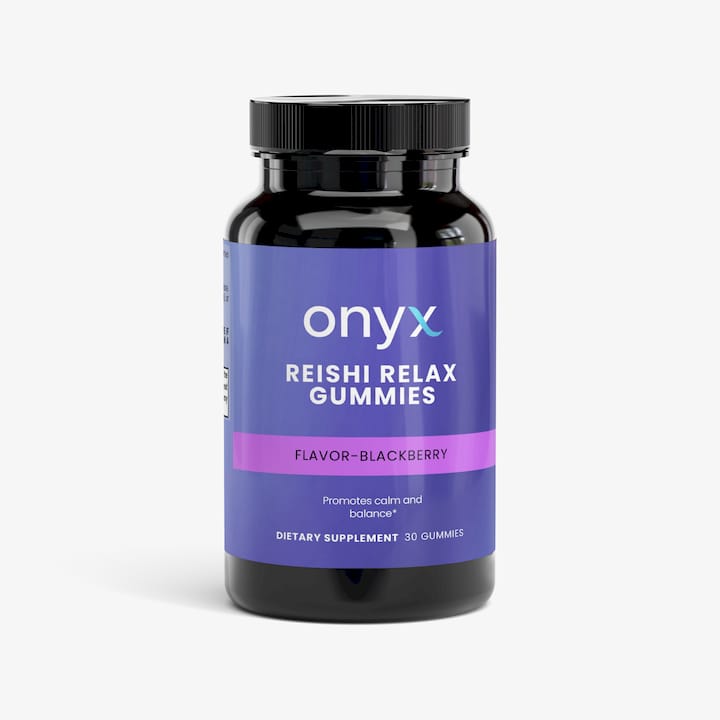
If sleep support is your goal, reishi is a reasonable place to start, particularly in a gummy or extract format that lets you track a consistent nightly dose. Onyxwellness’s Reishi Relax Gummies are built around that exact use case, pairing reishi extract with a format designed for a consistent bedtime routine.
Lion’s Mane: Promising Mechanism, Mixed Human Data
Lion’s mane (Hericium erinaceus) gets more attention for cognitive support than almost any other mushroom right now, and the underlying science is genuinely interesting even if human trials haven’t fully caught up to the hype.
The mechanism centers on two compound families unique to this mushroom: erinacines and hericenones. Preclinical research suggests these compounds may stimulate nerve growth factor (NGF) production, a protein involved in maintaining and repairing neurons. That’s a compelling biological story. The problem is that human trials testing whether this translates into noticeable cognitive benefits have produced mixed results, some show improvement on cognitive testing, others show little difference from placebo.
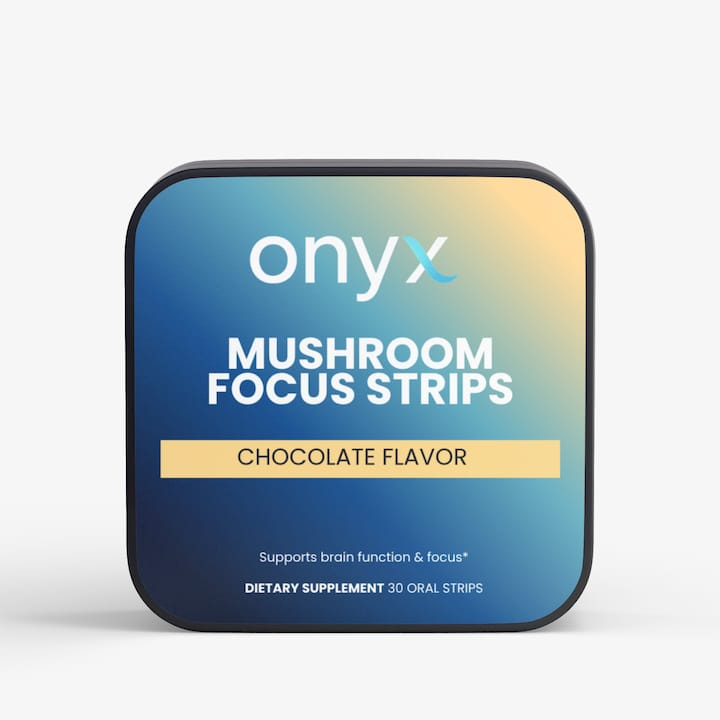
Given that mixed picture, lion’s mane is best framed as a reasonable personal experiment rather than a settled answer. An eight to twelve week trial, using a consistent dose and paying attention to your own subjective focus and mental clarity, is a sensible way to find out if it does anything for you specifically. Onyxwellness’s Mushroom Focus Strips are designed exactly for this kind of self-directed trial, a dissolvable format that makes it easy to dose consistently at the same time each day without pills or water.
Chaga, Shiitake, and Maitake: The Supporting Cast
These three don’t headline as many supplement labels as the mushrooms above, but each carries a distinct, evidence-relevant profile.
Chaga (Inonotus obliquus) is prized mainly for antioxidant activity, driven by its high concentration of melanin-related compounds and polyphenols. One caution that doesn’t get enough attention: chaga is naturally high in oxalates, which can be a real concern for people prone to kidney stones. If that’s you, chaga deserves a conversation with your doctor before regular use, not just a shrug.
Shiitake (Lentinula edodes) is a familiar food mushroom that also happens to be one of the richest natural sources of ergothioneine, an antioxidant amino acid that the body can’t produce on its own and has to get from diet. Shiitake also contains lentinan, a beta-glucan studied for immune-relevant activity in some international research, though the human clinical picture is less developed than turkey tail’s.
Maitake (Grifola frondosa) has drawn early research interest for blood sugar regulation and metabolic signals, alongside the immune-modulating polysaccharides it shares with other medicinal fungi. The evidence base here is thinner than for turkey tail or cordyceps, more suggestive than confirmed, so treat maitake’s metabolic claims with a bit more skepticism than the species with trial data behind them.
How Do Beta-Glucans, Triterpenes, and Other Bioactives Work?
Understanding the mechanism behind a mushroom’s effects makes label-reading a lot less confusing. Most of the immune activity attributed to medicinal mushrooms traces back to beta-glucans, a class of complex sugars that bind to specific immune receptors, particularly dectin-1 and complement receptor 3 (CR3), on the surface of immune cells. That binding action is what triggers downstream immune signaling. It’s also why “percent beta-glucan” on a product label is a genuinely useful quality marker, not just a number for show. A higher, verified beta-glucan percentage generally means more of the compound doing the actual work.
Beyond beta-glucans, each headline species brings its own signature chemistry:
- Triterpenes in reishi, associated with stress-response and relaxation pathways.
- Cordycepin in cordyceps, linked to oxygen utilization during exertion.
- Erinacines and hericenones in lion’s mane, tied to nerve growth factor stimulation.
- Ergothioneine in shiitake, a dietary antioxidant the body cannot synthesize itself.
Form and extraction method change how much of these compounds actually end up in a finished product. Fruiting body extracts, the mushroom’s above-ground cap and stem, generally carry higher concentrations of the bioactives studied in clinical trials than mycelium-on-grain products, which are essentially the mushroom’s root structure grown on a rice or grain substrate. Water extraction pulls out polysaccharides efficiently; alcohol extraction is better suited to triterpenes. A dual-extraction product, using both methods, often makes more sense for a mushroom like reishi where both compound classes matter. Extraction ratios like 10:1 mean ten pounds of raw mushroom material were concentrated down to one pound of finished extract, a rough proxy for potency, though not a guarantee without third-party verification.
What Does the Clinical Evidence Actually Prove?
Evidence quality varies enormously across this category, and it’s worth being honest about where the strongest ground is and where it thins out fast.
Turkey tail’s PSK sits at the top of the hierarchy because it’s backed by large randomized trials in Japan that measured a hard endpoint, survival, rather than a surrogate marker like an inflammatory blood test. That distinction matters enormously in how you weigh a claim. A supplement that improved a lab value in a small pilot study is a very different thing from one that measurably extended survival in a rigorous cancer trial, and PSK is one of the few mushroom compounds that clears that higher bar.
Statistic Callout: Cordyceps trials, by contrast, report 5 to 7 percent improvements in VO2 max or exercise tolerance, real, but a much smaller and more surrogate-style effect than PSK’s survival data. Reishi and lion’s mane sit further down the ladder still: small human trials, inconsistent extract standardization from one study to the next, and results that sometimes replicate and sometimes don’t.
When you’re trying to judge a claim yourself, three questions cut through most of the noise. How many people were in the trial, dozens tell you much less than hundreds? What was actually measured, a hard outcome like survival, or a softer surrogate like a mood questionnaire? And was the extract standardized, meaning researchers know exactly how much of the active compound the participants received, or was it a vague “mushroom powder” with no verified potency?
How Should You Take Medicinal Mushrooms, and What Dose Works?
Form matters as much as species when it comes to actually feeling a difference. Here’s how the main options stack up:
- Powders mixed into coffee or smoothies offer flexibility on dose but the least consistency, since you’re measuring by scoop rather than a verified amount.
- Concentrated extracts (capsules or tinctures) generally offer the most reliable potency, particularly when the label states an extraction ratio and beta-glucan percentage.
- Tinctures absorb faster than capsules but often carry a stronger, more medicinal taste that not everyone tolerates well.
- Gummies trade a bit of potency density for consistency and taste, useful for daily habits you actually want to stick with. Onyxwellness’s Mushroom Extract Complex Gummies fall into this category, built for broad daily support rather than one narrow use case.
- Dissolvable strips skip water and digestion delay entirely, dissolving directly for faster onset, a format suited to something like lion’s mane when you want a quick, trackable dose before a work session.
Dosing ranges worth anchoring to: cordyceps studies generally used 2 to 3 grams per day for endurance outcomes; lion’s mane trials commonly ran 1 to 3 grams of extract daily over 8 to 12 weeks; reishi research varies more widely but frequently clustered in a similar multi-week window before assessing sleep or immune markers.
When you’re comparing products, four things tell you more than the marketing copy does: the percent beta-glucan (higher and independently verified is better), the extraction ratio, the Latin species name printed on the label (not just “mushroom blend”), and whether the company publishes third-party lab testing.
Pro Tip: If a label says “mushroom blend” without naming individual species and doses, that’s usually a sign you’re getting a marketing formulation, not a research-aligned one. Prefer products that name the fruiting body specifically, since product authenticity issues are common enough in this category that it’s worth the extra thirty seconds to check.
For a deeper look at how gummy formats specifically stack up on safety and dosing, Onyxwellness’s guide on choosing mushroom gummies walks through label red flags in more detail.
Are Medicinal Mushrooms Safe? Interactions and Cautions to Know
Most healthy adults tolerate medicinal mushrooms well, but “well tolerated” doesn’t mean risk-free for everyone. Here’s what actually deserves your attention:
- Common mild effects include digestive upset, dry mouth, or mild dizziness, usually resolving with a lower dose.
- Chaga’s oxalate content can be a real concern for anyone with a history of kidney stones.
- Some polysaccharides show anticoagulant-like activity, meaning they may thin the blood slightly, worth knowing if you’re already on blood thinners.
- Rare allergic reactions are possible, particularly in people with existing mold or fungal sensitivities.
- Chemotherapy and immunosuppressant interactions are the most serious concern on this list. Immune-modulating compounds can interfere with drugs specifically designed to suppress or precisely calibrate immune activity.
If you’re pregnant, breastfeeding, managing an autoimmune condition, or scheduled for surgery, the calculus changes. Pregnant and breastfeeding people should be cautious given the lack of safety data in these groups specifically. Anyone with an autoimmune condition should coordinate with their physician before starting an immune-modulating supplement, since “modulation” can mean stimulation in some contexts. And if a product may carry anticoagulant-like activity, the standard advice is to stop it roughly one to two weeks before any elective surgery, the same caution surgeons give for fish oil and many other supplements that affect clotting.
How Onyxwellness Approaches Mushroom Supplementation
Every use case discussed above points to a different format, and that’s intentional. A daily immune and wellness routine doesn’t need the same delivery method as a focused, time-sensitive cognitive boost, so Onyxwellness built distinct products around each need rather than one catch-all blend.
- Mushroom Extract Complex Gummies are built for broad daily support, a straightforward habit for people who want consistent exposure to mushroom bioactives without tracking multiple products.
- Mushroom Focus Strips dissolve without water, designed for the kind of quick, trackable dosing you’d use before a demanding work block or study session.
- Reishi Relax Gummies are formulated around the sleep and stress-adaptation use case that reishi’s research base actually supports.
If you want to verify what’s in any of these before buying, check the product pages directly for ingredient specifics, and browse Onyxwellness’s educational posts on mushroom gummies for more on safety and smart selection. None of this replaces a conversation with your doctor if you’re using mushrooms for a therapeutic purpose tied to an existing diagnosis, particularly cancer or an autoimmune condition.
A Realistic Way to Think About Mushroom Supplements
The biggest mistake people make with medicinal mushrooms is treating them like a primary treatment instead of what they actually are: targeted adjuncts. Turkey tail’s PSK earns its place in oncology protocols, but as a companion to chemotherapy, not a substitute. That framing applies across the board.
The most useful thing you can do is run a short, honest trial. Pick one mushroom tied to one specific goal, sleep, focus, endurance, whatever matters to you. Give it eight to twelve weeks at a dose that matches what trials actually used. Track how you feel with something concrete, sleep hours, workout times, a simple focus rating, rather than a vague sense of “better.” And don’t let a mushroom regimen distract from the basics: sleep, movement, and diet still move the needle further than any supplement for most people.
— Chris
Which Onyxwellness Product Fits Your Goal?
If you’ve made it this far, you already know that endurance, focus, and sleep call for different mushrooms, and that’s exactly why Onyxwellness built three distinct products instead of one blend that tries to do everything at once.
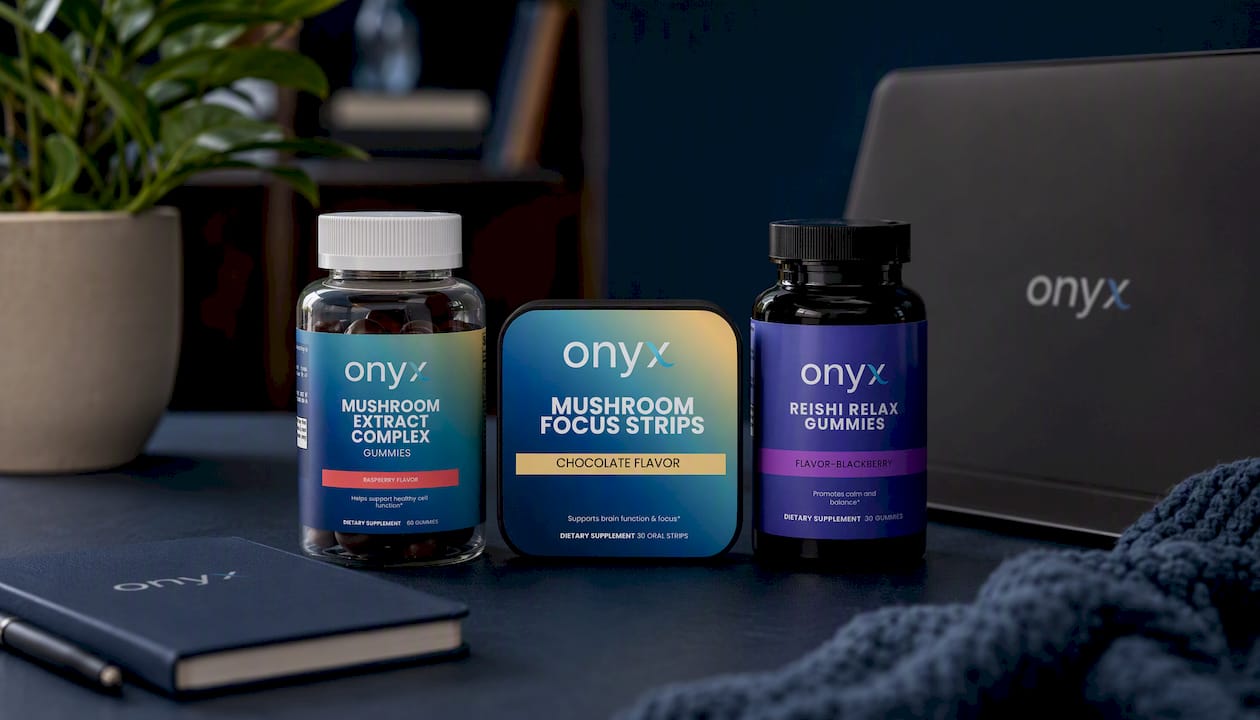
If daily, broad-spectrum support is your goal, the Mushroom Extract Complex Gummies are the simplest starting point, one consistent habit instead of juggling separate bottles. If you’re running the focus experiment described above, the Mushroom Focus Strips dissolve fast with no water needed, making it easy to dose right before you need to concentrate. And if sleep or stress recovery is the priority, the Reishi Relax Gummies are built around that specific use case rather than a generic wellness claim.
Every Onyxwellness formula lists its species by Latin name and dose, not a vague proprietary blend, so you can compare what you’re buying against the research discussed above. Browse the full lineup on the Onyxwellness collection page and pick the format that matches the goal you’re actually trying to solve.
Sources
- Natural Products as Adjuvant Cancer Therapies — NCBI Bookshelf
- Medicinal Mushrooms: Bioactive Compounds, Use, and Clinical Trials — PMC
- Medicinal Mushrooms (PDQ®) - National Cancer Institute
- Cordyceps and exercise performance — PMC
- Do mushroom supplements work? Benefits, Risks, and Research — Men’s Health
FAQ
What Are Medicinal Mushrooms Good For?
They’re best used for specific, targeted goals: turkey tail’s PSK as a cancer-treatment adjuvant, cordyceps for modest endurance gains, reishi for sleep and stress support, and lion’s mane as a cognitive-focus experiment, rather than as a general catch-all immune booster.
What Is the Best Medicinal Mushroom?
There isn’t a single “best” one; the right choice depends on your goal. Turkey tail has the strongest clinical evidence overall, largely because PSK is used as an approved oncology adjuvant, but cordyceps, reishi, and lion’s mane each lead for their own specific use case.
What Are Five Health Benefits of Mushrooms?
Across the species discussed, the most evidence-supported benefit categories are immune modulation, modest endurance improvement, sleep and stress support, cognitive support, and antioxidant or anti-inflammatory activity.
What Is the Medicinal Importance of Mushrooms?
Their importance lies in diverse bioactive compounds, polysaccharides, triterpenoids, and peptides, that interact with immune, nervous, and metabolic pathways, with turkey tail’s PSK standing out as the compound with genuine clinical-trial survival data behind it.
Are Medicinal Mushrooms Safe To Take Daily?
Most healthy adults tolerate them well, though people on blood thinners, chemotherapy, or immunosuppressants, and those who are pregnant or breastfeeding, should talk to a doctor first given documented interaction risks.