


TL;DR:
- Mass nutrition involves consuming a controlled caloric surplus with precise macronutrient ratios to maximize lean muscle growth while minimizing fat gain. A surplus of 200–300 kcal above TDEE is ideal for a lean bulk, with protein intake targeted at 1.6–2.2g per kg of body weight daily, and meal timing spread across 5–6 meals. Monitoring progress through weekly averages and adjusting surplus accordingly helps ensure effective, sustainable muscle gain without excessive fat accumulation.
Mass nutrition is the intentional practice of consuming a controlled caloric surplus with precise protein, carbohydrate, and fat ratios to maximize lean muscle growth while minimizing fat accumulation. In the fitness world, this approach is more commonly called “lean bulking” or “clean bulking,” and the distinction matters. You are not just eating more. You are eating strategically. Whether you are new to muscle-building nutrition or refining an existing plan, the evidence from 2026 bulk nutrition guidelines points to one clear truth: precision beats volume every time.
What are optimal calorie and macronutrient targets for mass nutrition?
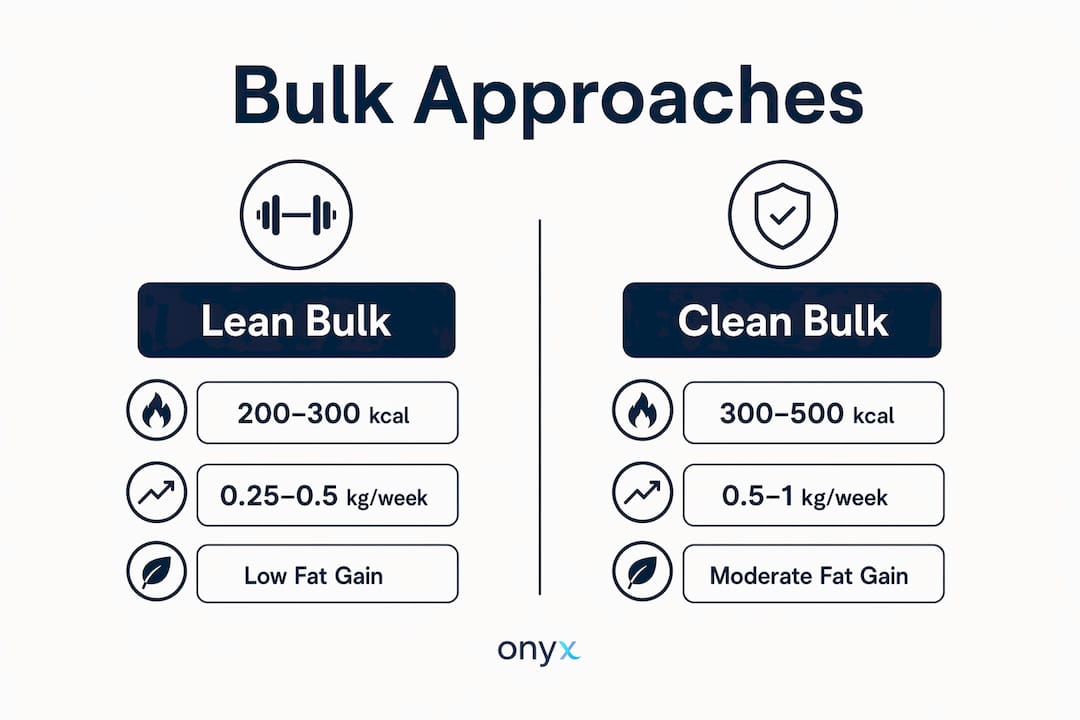
The foundation of any effective mass nutrition plan is your caloric surplus. A lean bulk surplus sits at 200–300 kcal above your total daily energy expenditure (TDEE), producing steady weight gain of 0.5–1 lb per week with minimal fat accumulation. A clean bulk pushes that to 300–500 kcal above TDEE for slightly faster gains, though fat accumulation increases alongside it.
Here is where most people go wrong. A surplus above 500 kcal mostly results in fat storage rather than additional muscle. Your body can only synthesize muscle tissue so fast, and excess calories beyond that ceiling go straight to adipose tissue. Bigger is not better when it comes to your surplus.
Protein, carbs, and fat: getting the split right
Protein is the non-negotiable anchor of any muscle-building nutrition plan. Research supports a target of 1.6–2.2g per kg of body weight daily, which translates to roughly 0.7–1g per pound. Going above 2.5g per kg yields diminishing returns and actually crowds out the carbohydrates your muscles need for training performance.

Carbohydrates are your primary training fuel. They replenish glycogen stores after hard sessions and drive the anabolic environment your muscles need to grow. Fat intake should cover 20–30% of total calories to support hormonal health, including testosterone production, which directly influences muscle gain.
| Bulking Approach | Calorie Surplus | Weekly Weight Gain | Fat Accumulation Risk |
|---|---|---|---|
| Lean Bulk | 200–300 kcal | 0.5–1 lb | Low |
| Clean Bulk | 300–500 kcal | 0.75–1.25 lbs | Moderate |
| Dirty Bulk | 500+ kcal | 1.5+ lbs | High |
Pro Tip: Calculate your TDEE first using your current body weight, activity level, and training frequency. Then add your surplus on top. Guessing your starting point is the fastest way to spin your wheels for months.
How does meal frequency and nutrient timing enhance mass nutrition outcomes?
Spreading your food intake across 5–6 eating occasions per day is one of the most underrated strategies in high-calorie meal plans. Eating 3,000+ calories in three sittings is uncomfortable and often impossible. Smaller, more frequent meals make the volume manageable and keep digestion running smoothly.
Nutrient timing adds another layer of precision. Here is how to structure your day for maximum muscle protein synthesis:
- Pre-workout meal (60–90 minutes before training): Prioritize complex carbohydrates like oats or brown rice alongside a moderate protein source. This primes glycogen stores and reduces muscle breakdown during your session.
- Post-workout window (within 30–60 minutes after training): Consume a fast-digesting protein source such as whey protein or eggs alongside simple carbohydrates. This is when your muscles are most receptive to nutrients.
- Each main meal: Aim for at least 3g of leucine per serving. Leucine is the amino acid that directly triggers muscle protein synthesis. A 30–40g serving of chicken breast, Greek yogurt, or cottage cheese typically hits this threshold.
- Evening meal: Include a slower-digesting protein like casein or whole eggs to sustain amino acid availability overnight, when much of your muscle repair occurs.
- Between-meal snacks: Use calorie-dense, whole-food options like nut butter on rice cakes, trail mix, or full-fat dairy to close the calorie gap without forcing large meals.
Liquid calories are a legitimate tool when appetite becomes the barrier. Blending oats, nut butter, banana, and a protein powder into a shake can add 600–800 calories without the fullness that solid food creates. Appetite management is often the real challenge in mass nutrition, not willpower.
Pro Tip: Spread your protein intake as evenly as possible across all meals rather than front-loading it at dinner. Your body can only use so much protein for muscle building at one time, and even distribution maximizes synthesis across the full day.
What are practical meal planning strategies for effective bulk nutrition?
A clean bulk with nutrient-dense whole foods over 3–6 months produces sustainable gains. Rapid dirty bulks cause fat gain and digestive discomfort that derails training. The quality of your calories matters as much as the quantity.
Your best foods for mass gain fall into three categories:
- Complete animal proteins: Chicken breast, salmon, lean beef, eggs, Greek yogurt, and cottage cheese provide all essential amino acids and are easy to portion.
- Complex carbohydrates: Brown rice, oats, sweet potatoes, quinoa, and whole grain bread deliver sustained energy and fiber for gut health.
- Healthy fats: Avocado, olive oil, nuts, seeds, and fatty fish support hormone production and provide calorie density without bulk.
Integrating plant-based proteins alongside animal sources is not just for vegetarians. Lentils, black beans, edamame, and tempeh improve gut microbiome diversity, which research now links to better muscle strength and recovery. Rotating your protein sources is one of the simplest upgrades you can make to a standard high-calorie meal plan.
Sample daily meal structure for a 3,000-calorie bulk
| Meal | Example Foods | Approx. Calories | Protein |
|---|---|---|---|
| Breakfast | Oats, eggs, banana, whole milk | 650 kcal | 35g |
| Mid-morning snack | Greek yogurt, granola, almonds | 400 kcal | 20g |
| Lunch | Chicken breast, brown rice, avocado | 700 kcal | 45g |
| Pre-workout snack | Rice cakes, peanut butter, apple | 350 kcal | 12g |
| Post-workout shake | Whey protein, oats, frozen berries | 450 kcal | 35g |
| Dinner | Salmon, sweet potato, broccoli | 550 kcal | 40g |
Supplements fit into this framework as support, not substitutes. Creatine is the most research-backed addition for muscle-building nutrition. You can learn more about what creatine does for muscle recovery and hydration to decide if it belongs in your plan. Protein shakes fill gaps on high-training days when whole food intake falls short.
How should you monitor and adjust your mass nutrition phase?
Daily weigh-ins create noise, not data. 4-week rolling averages of body weight and measurements give you a far more accurate picture of whether your plan is working. Your weight fluctuates daily based on water retention, food volume, and sleep. A monthly average cuts through that and shows the real trend.
Track three metrics together for the clearest view of your progress:
- Body weight (weekly average): Aim for 0.5–1 lb of gain per week on a lean bulk. If you are gaining more than 1.5–2 lbs weekly, reduce your calorie intake by 100–200 kcal.
- Strength in key lifts: Progressive overload in the squat, deadlift, bench press, and row confirms that muscle is being built, not just fat stored.
- Waist measurement: A slowly expanding waist signals excess fat gain. If your waist grows faster than your strength, your surplus is too large.
Lean bulk phases typically run 12–20 weeks before transitioning to maintenance or a mini-cut. For men, the transition point is usually when body fat approaches 18–20%. Continuing to bulk beyond this threshold reduces insulin sensitivity and makes the eventual cut harder.
Mini-cut phases are short, controlled calorie deficits that reset insulin sensitivity and appetite before starting a new lean bulk. Think of them as a metabolic refresh. Four to six weeks at a modest deficit of 300–400 kcal below maintenance is enough to restore hormonal responsiveness without losing meaningful muscle.
Pro Tip: If you feel like you are eating a lot but the scale is not moving, do not immediately add more food. First, track your intake accurately for one full week. Most people underestimate their calories by 20–30% when they estimate portions.
Key takeaways
Effective mass nutrition requires a controlled caloric surplus, precise macronutrient targets, consistent meal timing, and data-driven progress tracking to build lean muscle without excessive fat gain.
| Point | Details |
|---|---|
| Set the right surplus | Use 200–300 kcal above TDEE for a lean bulk; avoid exceeding 500 kcal to prevent fat gain. |
| Prioritize protein and carbs | Target 1.6–2.2g of protein per kg body weight and use carbs to fuel training and glycogen recovery. |
| Spread meals across the day | Eat 5–6 times daily to manage calorie volume comfortably and sustain muscle protein synthesis. |
| Track with rolling averages | Use 4-week weight and measurement averages instead of daily weigh-ins for accurate progress data. |
| Plan mini-cuts strategically | Insert short deficit phases every 12–20 weeks to reset metabolism and maintain insulin sensitivity. |
What i have learned from years of watching bulk nutrition plans succeed and fail
The biggest mistake I see is treating mass nutrition like a permission slip to eat everything in sight. People hear “caloric surplus” and interpret it as “eat more junk.” The result is rapid fat gain, sluggish training, and a cut phase that wipes out months of work. That is not a bulk. That is a detour.
What actually works is boring by comparison. Consistent protein targets, whole food sources, and a modest surplus applied week after week. Muscle grows slowly. Accepting that pace is the hardest part of the process, not the eating itself.
Appetite is the real obstacle for many people, and I think it deserves more honest conversation. Forcing yourself to eat when you are not hungry is genuinely uncomfortable. Liquid calories are not a cheat code. They are a practical solution to a real physiological barrier. Using shakes, smoothies, and calorie-dense snacks to hit your numbers is smart planning, not laziness.
The other thing I would push back on is the obsession with perfect timing. Yes, post-workout nutrition matters. But if your total daily protein and calorie targets are consistently met, the timing details are secondary. Get the big picture right first. Refine the details once the foundation is solid.
Finally, pay attention to how your gut feels throughout a bulk. Digestive discomfort, bloating, and irregular digestion are signs that your gut is struggling with the increased food volume. Supporting your microbiome with diverse protein sources and fermented foods is not optional. It is part of the plan.
— Chris
Support your mass gain goals with Onyxwellness
Building muscle takes more than hitting your macros. Your digestive system needs to actually absorb what you eat, and your metabolism needs to stay responsive across a long bulk phase.

Onyxwellness offers two products designed to work alongside your nutrition plan. The Digestive + Gut Health Strips support nutrient absorption and digestive comfort, which matters when you are eating 3,000+ calories daily. The Probiotic + Metabolism Strips promote gut microbiome diversity and metabolic support, both of which become more important during extended bulk phases. These Ayurvedic-inspired, dissolvable strips absorb fast and require no water, making them easy to fit into any meal timing routine.
FAQ
What is mass nutrition, exactly?
Mass nutrition is a structured dietary approach that uses a controlled caloric surplus alongside precise macronutrient targets to support lean muscle growth. It is also called lean bulking or clean bulking in most fitness contexts.
How many calories above maintenance should i eat to bulk?
A lean bulk uses 200–300 kcal above your TDEE, while a clean bulk uses 300–500 kcal. Surpluses above 500 kcal primarily produce fat gain rather than additional muscle.
How much protein do i need for muscle-building nutrition?
Target 1.6–2.2g of protein per kg of body weight daily. Going above 2.5g per kg yields diminishing returns and reduces carbohydrate availability needed for training.
How long should a lean bulk phase last?
Lean bulk phases typically run 12–20 weeks. Transition to maintenance or a mini-cut when body fat reaches 18–20% in men, or when weekly weight gain consistently exceeds 1.5 lbs.
Do i need supplements for an effective bulk?
Supplements are not required, but creatine and protein shakes are well-supported additions. Creatine enhances muscle recovery and strength output, while protein shakes help meet daily targets on high-training days when whole food intake falls short.