


TL;DR:
- Magnesium powder is a dissolvable supplement offering a critical mineral involved in over 300 bodily reactions. Different forms like glycinate and citrate provide higher bioavailability, making them more effective for sleep, stress, and muscle recovery. Proper selection, dosage, and timing optimize benefits, but it should complement a healthy diet and lifestyle for best results.
Magnesium powder is a dissolvable mineral supplement that delivers one of the body’s most critical nutrients in a flexible, customizable form. This essential mineral acts as a cofactor in over 300 enzymatic reactions, covering everything from energy production to nerve signaling and muscle contraction. Brands like Pure Encapsulations and Natural Vitality CALM® have made powdered magnesium a mainstream choice for people managing stress, poor sleep, and muscle soreness. The catch is that not all forms are equal. Choosing the right magnesium supplement means understanding bioavailability, elemental content, and which compound actually matches your goal.
What forms of magnesium powder are available?
Magnesium powder is not a single compound. It is a category of supplements, each built around a different magnesium salt that behaves differently in your gut and bloodstream.
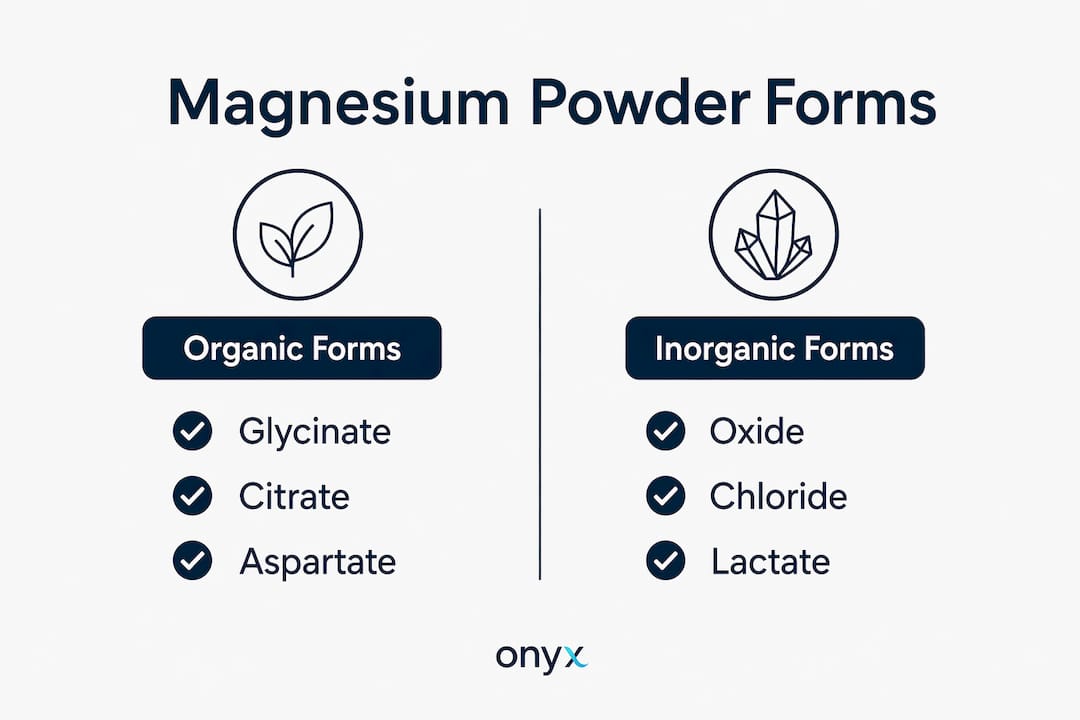
The most widely used forms include magnesium glycinate, citrate, oxide, aspartate, chloride, and lactate. Glycinate and citrate absorb significantly better than oxide or sulfate because they dissolve more readily in liquid, which gives your intestinal lining more surface contact with the mineral. Magnesium oxide is cheap and common, but its absorption rate is low enough that most of what you swallow passes through unabsorbed.
Magnesium aspartate, citrate, lactate, and chloride all show higher bioavailability than inorganic forms, making them the smarter pick for people who actually want results. Glycinate stands out specifically because it binds magnesium to the amino acid glycine, which is calming on its own and gentle on the digestive tract.
Here is a quick comparison to guide your choice:
| Form | Absorption | Best for | Notes |
|---|---|---|---|
| Glycinate | High | Sleep, stress, daily use | Gentle on digestion |
| Citrate | High | Constipation, muscle cramps | Mild laxative effect |
| Oxide | Low | Budget option only | Poor bioavailability |
| Aspartate | High | Energy, nerve function | Less common in powder form |
| Chloride | Moderate to high | General supplementation | Often used topically too |
| Lactate | Moderate to high | Sensitive stomachs | Well tolerated |
Pro Tip: When comparing products, look past the total compound weight on the label. The number that matters is the elemental magnesium content, which tells you the actual mineral dose you are getting per serving.
What are the proven magnesium benefits for stress, sleep, and recovery?
The magnesium benefits most people are chasing fall into three clear categories: stress relief, sleep quality, and muscle recovery. The science behind each is real, though the strength of evidence varies.

Magnesium glycinate is the most recommended form for stress relief and improved sleep, according to the Cleveland Clinic. It supports the nervous system by regulating neurotransmitters and activating GABA receptors, which are the same receptors targeted by many anti-anxiety medications. That mechanism is why so many people report feeling calmer and sleeping more deeply after consistent supplementation.
For muscle recovery, magnesium plays a direct role in muscle contraction and relaxation cycles. Without adequate levels, muscles stay in a contracted state longer, which contributes to cramping and soreness after exercise. Athletes and active individuals often find that consistent magnesium supplementation reduces post-workout tightness noticeably.
Key benefits supported by clinical evidence include:
- Stress reduction: Magnesium regulates the hypothalamic-pituitary-adrenal (HPA) axis, which controls cortisol release.
- Sleep quality: Supplementation supports melatonin production and reduces nighttime cortisol.
- Muscle relaxation: Magnesium counteracts calcium’s role in muscle contraction, helping muscles release.
- Cardiovascular support: Adequate magnesium is linked to healthy blood pressure and heart rhythm.
- Bone health: Magnesium works alongside calcium and vitamin D to maintain bone density.
“Magnesium is essential for over 300 metabolic reactions but should be considered foundational for health rather than a quick cure-all.” — Medical News Today
One honest note: scientific evidence for magnesium’s effects on sleep and anxiety is often mixed and based on small studies. The results are promising, but more large-scale clinical trials are needed before anyone should treat magnesium powder as a guaranteed fix for insomnia or anxiety. Think of it as a strong foundation, not a silver bullet.
For people exploring sleep supplements, magnesium is consistently one of the most evidence-backed options available without a prescription.
What are the risks and side effects of magnesium supplementation?
Magnesium powder is safe for most adults, but it is not consequence-free at high doses. Knowing the limits protects you from the most common pitfalls.
Excess magnesium supplements can cause diarrhea, nausea, and abdominal cramping. These side effects are dose-dependent, meaning they appear when you take more than your body can absorb at once. Citrate and oxide forms are the most likely to cause loose stools because they draw water into the intestines. Glycinate is far gentler in this regard.
Drug interactions are a real concern. Bisphosphonates (used for osteoporosis), tetracycline antibiotics, quinolone antibiotics, and certain diuretics all interact with magnesium. The mineral can either reduce the drug’s absorption or alter how your kidneys handle it. If you take any of these medications, talk to your doctor before starting a magnesium supplement.
People with kidney disease face the highest risk. Healthy kidneys excrete excess magnesium efficiently, but impaired kidneys cannot. This can lead to magnesium buildup in the blood, which causes serious cardiovascular and neurological symptoms. Kidney disease is a firm reason to supplement only under medical supervision.
Supplemental magnesium doses from 100 to 350 mg per day are generally safe for adults with normal kidney function. The tolerable upper limit for supplemental magnesium is 350 mg per day, though food sources carry no such restriction.
Pro Tip: Always check the elemental magnesium content on the supplement facts panel, not the total compound weight. A label reading “500 mg magnesium glycinate” may only deliver around 50 mg of actual elemental magnesium. Missing this detail is how most people accidentally underdose or overdose.
How to choose the best magnesium powder for your goals
Picking the right product comes down to matching the form to your goal, then verifying quality before you buy. The market is crowded, and not every product delivers what it promises.
Matching form to goal
For sleep and stress, magnesium glycinate is the clear first choice. It absorbs well, causes minimal digestive upset, and pairs naturally with the calming amino acid glycine. For muscle recovery after intense training, glycinate or citrate both work well. If you are dealing with constipation alongside your other goals, citrate pulls double duty. Avoid oxide if absorption and results matter to you.
What to look for on the label
Before buying any magnesium supplement, run through this checklist:
- Elemental magnesium content: Confirm the actual mineral dose, not just the compound weight.
- Third-party testing: Look for NSF Certified for Sport, USP Verified, or Informed Sport certification.
- No unnecessary fillers: Avoid products with artificial sweeteners, excessive binders, or proprietary blends that hide individual doses.
- Serving size clarity: One scoop should have a clear, stated dose of elemental magnesium.
- Form transparency: The label should name the specific compound (glycinate, citrate, etc.), not just “magnesium.”
Dosage guidance by goal
Start low and adjust based on how your body responds. Here is a practical starting framework:
- Stress relief: Start with 100–200 mg of elemental magnesium glycinate daily, taken in the evening.
- Sleep support: Take 200–350 mg of elemental magnesium glycinate 30–60 minutes before bed.
- Muscle recovery: Take 200–300 mg of elemental magnesium citrate or glycinate post-workout.
- General wellness: 100–200 mg daily with food is a reasonable maintenance dose for most adults.
Cheap powders with low bioavailability often cause digestive discomfort and poor compliance over time. Spending a little more on a well-formulated glycinate or citrate product pays off in actual results and fewer side effects. Pure Encapsulations Magnesium Glycinate powder is one widely trusted option that checks most of these boxes.
For people interested in stress relaxation supplements, magnesium glycinate consistently ranks among the top recommendations from dietitians and integrative medicine practitioners.
Key takeaways
Magnesium powder works best when you match the right form to your specific goal, verify elemental content on the label, and treat it as a complement to a nutrient-rich diet rather than a standalone fix.
| Point | Details |
|---|---|
| Form determines results | Glycinate absorbs best for sleep and stress; citrate suits digestion and muscle cramps. |
| Read elemental content | Total compound weight is not your dose; always check elemental magnesium on the label. |
| Stay within safe limits | Keep supplemental magnesium at 100–350 mg per day for normal kidney function. |
| Watch for interactions | Bisphosphonates, tetracycline, and diuretics all interact with magnesium supplements. |
| Supplement, don’t replace | Magnesium powder complements a diet rich in nuts, leafy greens, and whole grains. |
Why I think most people are using magnesium powder wrong
After years of following the supplement space closely, the pattern I see most often is people buying magnesium oxide because it is cheap, taking it at the wrong time, and then concluding that magnesium does not work for them. That conclusion is almost always wrong. The form and timing were the problem, not the mineral.
The other mistake I see is treating magnesium powder as a cure for chronic stress or clinical insomnia. It is not. What it does is remove a nutritional roadblock. If your nervous system is running low on magnesium, supplementing will likely help you feel calmer and sleep more deeply. But if your stress is structural, meaning it comes from your schedule, relationships, or environment, no supplement closes that gap on its own.
Higher magnesium intake is associated with healthier dietary patterns overall. That correlation matters. People who eat more nuts, leafy greens, and whole grains tend to have better magnesium status and better health outcomes across the board. Supplementation is most useful when diet falls short, not as a workaround for skipping vegetables.
My honest recommendation: start with glycinate, take it in the evening, stay under 350 mg of elemental magnesium, and give it four to six weeks before judging results. Pair it with real food sources and lifestyle habits that support sleep and recovery. That combination works. Relying on powder alone usually does not.
— Chris
Support your wellness routine with Onyxwellness
If you are ready to take your sleep and recovery seriously, Onyxwellness has you covered with products designed around the same principles this article covers: quality ingredients, clean formulas, and formats that actually fit your life.

Onyxwellness Sleep Strips are a standout option for anyone who wants fast-absorbing sleep support without the hassle of mixing powders. These dissolvable strips use Ayurvedic-inspired ingredients and dissolve directly on your tongue for quick absorption, no water needed. For gut comfort alongside your supplement routine, the Digestive + Gut Health Strips offer targeted support that pairs well with magnesium citrate use. Browse the full Onyxwellness collection to find the right fit for your wellness goals.
FAQ
What is the best magnesium powder for sleep?
Magnesium glycinate is the best form for sleep because it absorbs well and pairs magnesium with glycine, an amino acid that supports relaxation. Take 200–350 mg of elemental magnesium glycinate 30–60 minutes before bed for best results.
How much magnesium powder should I take per day?
Supplemental magnesium doses of 100–350 mg of elemental magnesium per day are considered safe for adults with normal kidney function. Start at the lower end and adjust based on your tolerance and goals.
Can magnesium powder cause side effects?
Yes, high doses can cause diarrhea, nausea, and stomach cramping, especially with oxide or citrate forms. Glycinate is the gentlest option and least likely to cause digestive issues at standard doses.
Is organic magnesium powder better than regular magnesium powder?
The term “organic magnesium powder” typically refers to magnesium bound to an organic compound like glycine or citrate, not agricultural certification. These organic forms absorb significantly better than inorganic forms like oxide or sulfate.
Can I take magnesium powder with other medications?
Magnesium interacts with bisphosphonates, tetracycline antibiotics, quinolone antibiotics, and some diuretics. If you take any of these medications, consult your doctor before starting a magnesium supplement to avoid absorption interference.