


Do three things at your next meal: take iron on an empty stomach in the morning, pair non-heme iron with vitamin C, and keep coffee or tea away from that meal. In an isotopic crossover trial, pairing an iron dose with orange juice produced roughly four times the absorption seen with a coffee-and-breakfast combination. Prefer heme sources when you can, since heme iron absorbs at rates up to 40 percent compared to non-heme iron.
TL;DR:
- Taking iron in the morning on an empty stomach improves absorption due to hormonal rhythms that favor early-day uptake.
- Pairing non-heme iron sources with vitamin C, such as orange juice, can quadruple absorption compared to coffee consumption.
- Consuming coffee or tea within an hour of iron-rich meals reduces absorption by about 66 percent, making timing crucial.
- Using heme iron sources like beef or shellfish increases absorption rates up to 40 percent over plant-based options, especially when available.
- Separating calcium and dairy intake from iron-rich meals by at least two hours prevents competition that diminishes absorption efficiency.
Table of Contents
- Iron Absorption Tips: The Priority Actions to Take This Week
- Foods and Nutrients That Boost Iron Absorption
- Foods and Habits That Block Iron Absorption
- Supplement Timing, Form, and Dosing for Best Absorption
- Sample Meals That Maximize Iron Uptake
- Special Populations: Vegetarians, Pregnancy, and GI Conditions
- Where Iron Strips Fit Into a Practical Iron Routine
- A Practical Take on What Dietary Tactics Can and Can’t Fix
- Try Iron Strips as an Easy Add to Your Routine
- Sources
- FAQ
Iron Absorption Tips: The Priority Actions to Take This Week
You don’t need a nutrition degree to fix most of what’s blocking your iron uptake. You need a short list of habits, applied consistently, at the meals and moments where they matter most. Here’s the order of operations, ranked by how much evidence backs each one.
- Take supplemental iron in the morning, on an empty stomach. Hepcidin, the hormone that regulates how much iron your gut lets through, follows a daily rhythm that tends to favor morning absorption. Clinicians increasingly recommend fasting, early-day dosing for this reason.
- Pair every non-heme iron source with vitamin C. Ascorbic acid converts iron into the ferrous form your intestine can actually absorb, according to research on the biochemistry of iron absorption. A splash of orange juice, a handful of strawberries, or roasted bell pepper strips all work.
- Separate coffee and tea from iron-rich meals by at least an hour. In the same isotopic study, drinking coffee with breakfast cut iron absorption by roughly 66 percent. That’s not a rounding error. It’s the single biggest dietary mistake most people make without realizing it.
- Choose heme sources when you have them available. Beef, chicken thighs, and shellfish carry iron your body absorbs far more efficiently than iron from spinach or lentils, according to Healthline’s nutrition guidance.
- Don’t overdose on vitamin C hoping for a bigger effect. The same trial found that 80 milligrams of ascorbic acid alongside a 100-milligram iron dose increased absorption by about 30 percent, but pushing the dose to 500 milligrams added nothing further.
- Keep calcium supplements and dairy away from iron-heavy meals. Calcium competes directly with iron for the same absorption pathway in your gut. A glass of milk with your steak is working against you.
- Cook acidic foods in cast iron when you can. Tomato sauce simmered in a cast-iron skillet picks up meaningful amounts of iron through simple leaching, a low-effort way to raise your intake without changing your grocery list.
- Soak or sprout grains and legumes before cooking. Phytates, the compounds in whole grains and beans that bind iron, break down partially with soaking, sprouting, or fermentation.
- Avoid taking iron supplements with antacids or proton-pump inhibitors. Stomach acid helps convert dietary iron into an absorbable form, so anything that suppresses acid production works against you.
- Test before you guess. If fatigue persists despite these changes, a ferritin and hemoglobin panel tells you more in fifteen minutes than another month of dietary tweaks.
Statistic Callout: Taking iron with orange juice instead of coffee at breakfast produced close to a four-fold jump in absorption under controlled study conditions. Timing and pairing, not just dose, decide how much of the iron you swallow actually reaches your bloodstream.
Most of these actions cost nothing and take zero extra time. The trick is stacking them at the same meal instead of treating them as separate, occasional habits.
Foods and Nutrients That Boost Iron Absorption
Vitamin C is the single most useful tool you have for improving non-heme iron uptake, and the mechanism is straightforward. Ascorbic acid acts as a reducing agent, converting ferric iron (Fe3+), which your intestine struggles to absorb, into ferrous iron (Fe2+), which it absorbs readily. This chemistry is why a food pairing that seems minor on paper, like a squeeze of lemon over a lentil salad, produces a real difference in how much iron your body keeps.
You don’t need exotic ingredients to hit a useful vitamin C dose. Common options include:
- Half a red bell pepper (roughly 95 milligrams of vitamin C)
- One medium orange or a cup of orange juice
- A cup of sliced strawberries
- Steamed broccoli or Brussels sprouts alongside a bean-based dish
- A handful of kiwi slices tossed into a spinach salad
Beyond vitamin C, the “meat, fish, poultry” effect, often shortened to the MFP factor, describes how animal protein enhances the absorption of plant-based iron eaten in the same meal. Lentils cooked alongside chicken thighs absorb better together than lentils eaten alone. The same goes for a black bean and salmon bowl, or a chili that mixes ground beef with kidney beans. This pairing effect matters most for anyone building meals around a mix of plant and animal proteins rather than relying on one or the other.
Vitamin A and its precursor, beta-carotene, play a supporting role too. They appear to help mobilize iron stored in the body and make dietary iron more available for absorption, which is one reason sweet potatoes, carrots, and dark leafy greens show up so often in iron-focused meal plans. If you want to understand vitamin A’s broader safety profile and dosing, A guide to vitamin A breaks down where it fits.
Cooking method matters more than most people expect. Simmering an acidic sauce, tomato-based dishes, chili, or even applesauce, in an uncoated cast-iron pan lets measurable amounts of iron leach into the food itself. It’s a passive, no-cost way to raise the iron content of meals you’re already cooking.
Fortified foods round out the picture. Many breakfast cereals, enriched pasta, and certain breads carry added iron specifically because manufacturers know dietary intake often falls short. Checking a nutrition label for “reduced iron” or “ferrous sulfate” on the ingredient list is a quick way to spot these.
Pro Tip: Keep a small container of citrus wedges or dried strawberries near your stove. Adding either to a plant-based iron dish takes ten seconds and meaningfully changes how much iron your body actually absorbs.
Foods and Habits That Block Iron Absorption
Three categories of everyday foods do most of the damage to your iron uptake: polyphenols, calcium, and phytates. Knowing which foods fall into each group, and how long to keep them away from iron-rich meals, matters more than eliminating any of them from your diet entirely.
Polyphenols, found in coffee, black tea, green tea, and red wine, bind to non-heme iron and prevent your intestine from absorbing it. The isotopic study on dietary timing found that coffee consumed with breakfast reduced iron absorption by about 66 percent, a number large enough to undo most of the other good habits on this list if you ignore it.
Common inhibitors worth tracking:
- Coffee and black tea: wait at least 60 minutes before or after an iron-rich meal or supplement dose.
- Calcium and dairy: milk, cheese, and calcium supplements compete with iron for the same gut transporter, so separate them by a similar window.
- Whole grains and legumes (phytates): soaking beans overnight or choosing sprouted grain bread reduces the phytate load without giving up the fiber benefits.
- Certain plant proteins: soy protein isolates can inhibit non-heme iron absorption more than other plant proteins.
- Antacids and calcium-based supplements taken close to meals: these reduce stomach acid, which iron needs for proper conversion and absorption.
Herbal teas without high tannin content, like rooibos or ginger tea, are reasonable swaps if you want a warm drink with a meal instead of coffee. Timing is the more practical lever than elimination for most people. You don’t have to give up your morning coffee. You do have to stop drinking it at the same table as your iron-rich breakfast or supplement.
If you take a calcium supplement for bone health, the same separation rule applies in reverse. Onyxwellness’s guide to calcium, magnesium, and vitamin D covers how to schedule that supplement without undercutting your iron intake, which matters if you’re managing both at once.
One more overlooked detail: eating iron-rich foods raw versus cooked changes phytate content. Fermenting, sprouting, or simply soaking grains and legumes before cooking breaks down a meaningful portion of their phytate load, which is why traditional food preparation, sourdough bread instead of quick-rise, soaked lentils instead of canned, tends to produce more absorbable iron than modern shortcuts.
Supplement Timing, Form, and Dosing for Best Absorption
If you’re taking an oral iron supplement, timing changes the outcome more than most labels admit. The clearest evidence comes from an isotope trial in iron-deficient women, which tested absorption under several conditions and found real, practical differences.
- Morning dosing beat afternoon dosing. Diurnal hepcidin patterns appear to give your gut a wider absorption window earlier in the day, which is why fasting, early-morning intake is the most consistently recommended timing.
- A modest vitamin C dose helped; a large one didn’t. Adding 80 milligrams of ascorbic acid to a 100-milligram iron dose raised absorption by about 30 percent. Bumping that vitamin C dose to 500 milligrams added no measurable benefit on top of it.
- Coffee with breakfast wiped out most of the gain. The same trial recorded a 66 percent drop in absorption when participants drank coffee alongside their morning iron and food.
Statistic Callout: An 80-milligram dose of vitamin C paired with 100 milligrams of iron increased absorption by roughly 30 percent, but going up to 500 milligrams of vitamin C produced no additional benefit, according to the same isotope study. More vitamin C isn’t automatically better once you clear a modest threshold.
A separate systematic review and meta-analysis on vitamin C plus oral iron adds an important nuance: while vitamin C reliably increases iron uptake from a single meal in controlled settings, routine coadministration with iron tablets doesn’t always translate into a clinically significant difference in hemoglobin or ferritin across longer trials. In plain terms, pairing vitamin C with your supplement is a smart habit, but it’s not a guaranteed fix for a lab-confirmed deficiency on its own.
On supplement form, you’ll typically see ferrous sulfate, ferrous fumarate, and ferrous gluconate on pharmacy shelves. They differ mainly in how much elemental iron each delivers per tablet and how they sit in your stomach, ferrous sulfate is the most common and generally the least expensive, while gluconate is sometimes better tolerated by people with sensitive stomachs. None of them require a brand recommendation to work; what matters more is dosage and timing.
Side effects are common enough to plan around. Nausea, constipation, and dark stools show up frequently with oral iron, especially at higher doses. If GI upset is a barrier, splitting the dose or taking it with a small amount of food (accepting a modest absorption trade-off) is often more sustainable than skipping doses altogether. Onyxwellness’s guide to supplement timing windows walks through how iron fits alongside other daily supplements without one canceling out another.
Space any iron supplement at least two hours away from calcium tablets or antacids. And if you’ve been following every timing rule for six to eight weeks without feeling better, that’s the point to ask your doctor for a ferritin and hemoglobin panel rather than adjusting your diet further on guesswork.
Sample Meals That Maximize Iron Uptake
Turning all this into dinner requires less effort than it sounds. Here are five realistic meals built around the pairing rules above.
- Steak fajitas with roasted bell peppers. Heme iron from the beef, vitamin C from the peppers, no coffee or dairy at the table.
- Salmon and black bean bowl with citrus dressing. The MFP effect from the fish boosts absorption from the beans, and a lime vinaigrette adds ascorbic acid directly to the dish.
- Chicken thigh and lentil stew, cast-iron pot. Simmering an acidic tomato base in cast iron adds trace iron to the dish itself, on top of the heme and MFP benefits already at play.
- Tofu and broccoli stir-fry with orange sauce (vegetarian). Broccoli and orange both deliver vitamin C, offsetting the lower bioavailability of iron from tofu.
- Chickpea and spinach curry with a squeeze of lemon (vegetarian). Soaking the chickpeas beforehand reduces phytate content, and lemon juice adds the vitamin C boost non-heme iron needs.
Pro Tip: If your usual breakfast is coffee and toast, swap your orange juice in for the coffee on days you’re taking an iron supplement, then have your coffee an hour later. That single swap mirrors the exact condition that produced the strongest absorption results in clinical testing.
A simple grocery list adjustment does most of the heavy lifting: keep bell peppers, citrus, and strawberries stocked for quick vitamin C additions, and buy canned tomatoes or sauce you can simmer in a cast-iron pan at least twice a week. Small, repeatable swaps beat an elaborate meal plan you abandon after ten days.
Special Populations: Vegetarians, Pregnancy, and GI Conditions
Iron needs and risks shift substantially depending on who you are, and treating every case the same is where a lot of generic advice falls short.
Vegetarians and vegans rely entirely on non-heme iron, which absorbs at meaningfully lower rates than heme iron. Leaning harder on vitamin C pairings at every meal, and choosing fortified cereals, tofu, and iron-fortified plant milks, helps close that gap over time.
Pregnant people and anyone menstruating heavily face higher iron requirements and a lower threshold before deficiency becomes symptomatic. Standard prenatal screening usually includes a hemoglobin check, but if fatigue, dizziness, or shortness of breath show up between visits, that’s worth flagging to a clinician rather than waiting for the next scheduled test.
People with celiac disease or chronic gastritis often absorb iron poorly regardless of what they eat, because the small intestine lining where absorption happens is compromised. Dietary tweaks help less in these cases, and a gastroenterology workup often matters more than another meal-planning adjustment.
Watch for these red flags, which point toward needing lab work rather than more dietary changes:
- Persistent fatigue that doesn’t improve with sleep or diet changes
- Pica (cravings for ice, dirt, or non-food items)
- Shortness of breath during ordinary activity
- Pale skin, brittle nails, or unusual hair thinning
- Restless legs that worsen at night
One caution runs the other direction. People with hemochromatosis, a genetic condition causing excess iron absorption, should not follow general iron-boosting advice without medical guidance, since excess iron accumulation in this condition can damage the liver, heart, and joints over time. If you have a family history of hemochromatosis or unexplained elevated ferritin, get tested before adding any iron-enhancing habits, food or supplement.
Food-first strategies remain the right starting point for most healthy adults, a position MedlinePlus reinforces in its public health guidance, but “most people” isn’t “everyone,” and the exceptions above are exactly where self-directed dietary tweaks stop being enough.
Where Iron Strips Fit Into a Practical Iron Routine
Iron Strips are available as a dissolvable format for people who find swallowing another pill, on top of everything else, one habit too many to maintain. The strip dissolves without water, which matters more than it sounds like it should on mornings when you’re rushing out the door before your coffee (which, as covered above, you’ll want to delay anyway).
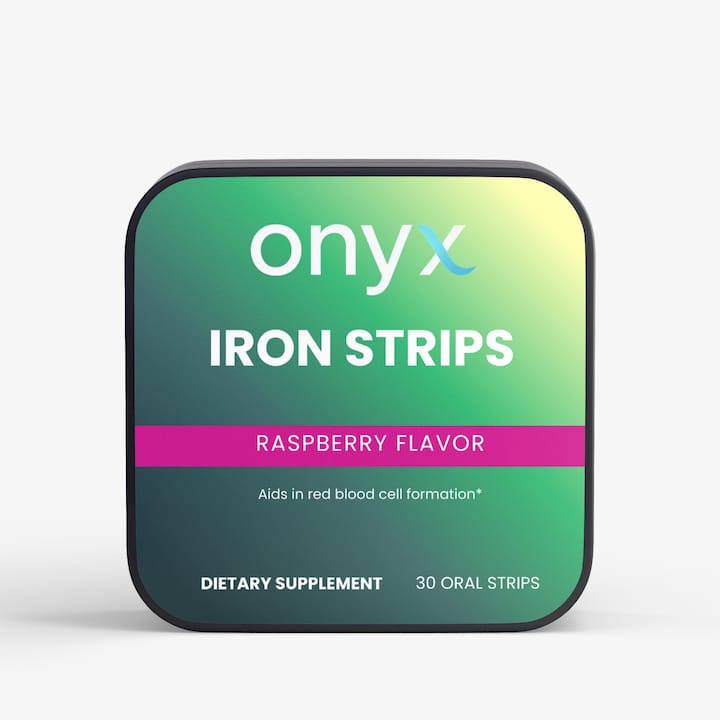
This format doesn’t change the underlying absorption science. The same timing and pairing rules apply: take it away from coffee, tea, calcium, and antacids, and ideally earlier in the day rather than later. What it changes is friction. A strip that dissolves on the tongue in seconds is easier to build into a consistent morning routine than a tablet you have to remember to take with a full glass of water at a specific hour.
For readers who want the ingredient breakdown and usage instructions in full, the Iron Strips product page lists exactly what’s in each strip and how to use it. If you’re comparing formats more broadly, whether a fast-dissolve strip fits your routine better than a capsule or gummy, the full Strips collection covers other formats built on the same convenience principle.
None of this replaces a diagnosis. If you suspect iron deficiency anemia rather than simple low-normal iron status, talk to a clinician and get bloodwork before relying on any supplement, strip or otherwise, to fix it.
A Practical Take on What Dietary Tactics Can and Can’t Fix
Here’s the honest version of what the research supports: meal-level changes, morning dosing, vitamin C pairing, keeping coffee away from iron, add up to a real, measurable difference for most healthy adults with mild or borderline low iron. They’re not a rounding error. But they’re also not a substitute for diagnosis.
If your ferritin is genuinely low or you’ve been told you have iron deficiency anemia, dietary tactics become a supporting habit around treatment, not the treatment itself. The systematic review on vitamin C and oral iron makes this point clearly: pairing helps absorption in a single meal, but it doesn’t reliably move hemoglobin numbers on its own across longer trials. That gap between “improves absorption” and “fixes deficiency” is where a lot of well-meaning advice oversells itself.
What I’d tell anyone starting out: apply the meal-level rules for four to six weeks, track how you feel, and get a blood panel if nothing’s changed. Individual variability is real, and no checklist replaces a lab number.
— Chris
Try Iron Strips as an Easy Add to Your Routine
Iron Strips are designed for consistent use by simplifying the routine. A dissolvable strip skips the need for water, a pill organizer, and helps avoid missed doses in busy mornings.
If you’ve read this far, you already know the timing rules: take it earlier in the day, away from coffee, tea, calcium, and antacids. Iron Strips are built for exactly that window, dissolving on the tongue in seconds so the habit survives a rushed weekday morning. Follow the label instructions, keep it separate from inhibitory beverages, and if you have a diagnosed deficiency, loop in your clinician on dosage. For anyone who wants a supplement format that keeps up with a busy routine rather than working against it, the Iron Strips product page has the full ingredient list and instructions, and Onyxwellness’s broader Creatine and Muscle Building Products line is worth a look if you’re also managing recovery and energy needs alongside iron status. Check the current listing and decide if it fits your morning.
Sources
- Effect of dietary factors and time of day on iron absorption from oral iron supplements in iron deficient women
- How to Increase the Absorption of Iron from Foods
- Iron - MedlinePlus
FAQ
What helps you absorb iron faster?
Pairing iron-rich foods or supplements with vitamin C, taking supplements in the morning on an empty stomach, and keeping coffee or tea away from that meal are the three highest-impact steps. An isotopic trial found orange juice paired with iron produced nearly a four-fold increase in absorption compared to a coffee-and-breakfast combination.
How do you correct poor iron absorption?
Start with meal timing and pairing: separate iron from calcium, coffee, and tea by about an hour, and add a vitamin C source to plant-based iron meals. If symptoms persist after several weeks, a ferritin and hemoglobin blood panel identifies whether the issue needs medical treatment rather than more dietary adjustment.
What ruins iron absorption?
Coffee and tea are the biggest culprits, cutting absorption by about 66 percent when consumed with an iron-rich breakfast in controlled trial conditions. Calcium supplements, dairy, and phytates in whole grains and legumes also interfere, so spacing them away from iron-rich meals matters.
Can you take iron with thalassemia?
People with thalassemia often already carry higher iron loads from red blood cell turnover and, in some cases, transfusions, so iron supplementation without medical supervision can be harmful. Anyone with thalassemia or a similar blood disorder should get clearance and monitoring from a hematologist before taking any iron supplement, including a dissolvable strip.
Do Onyxwellness Iron Strips work the same way as iron pills?
Iron Strips deliver iron in a dissolvable format instead of a tablet, but the same absorption rules apply, morning timing, pairing with vitamin C, and avoiding coffee or calcium nearby. Current pricing and full ingredient details are available on the Iron Strips product page.