


The short version: drink 500–600 mL (about 17–20 oz) two to three hours before exercise, top off with another 200–300 mL (7–10 oz) ten to twenty minutes before you start, and sip 200–300 mL every ten to twenty minutes during your session. After training, replace roughly 20–24 oz of fluid for every pound of body weight lost and include sodium to lock that fluid in. For sessions under sixty minutes at moderate intensity, plain water is enough. Go longer, sweat harder, or train in heat, and you need electrolytes.
- Pre-exercise (2–3 hours out): 500–600 mL water or a lightly electrolyte-containing drink
- Pre-exercise (10–20 minutes out): 200–300 mL water
- During exercise: 200–300 mL every 10–20 minutes; add electrolytes if the session exceeds 60 minutes or conditions are hot and humid
- Post-exercise: 20–24 oz per pound lost; include sodium to improve retention
Overdrinking is a real risk. Consuming large volumes of plain water without sodium during long events can cause exercise-associated hyponatremia (EAH), a condition that has led to serious illness and death in endurance sports. Match your intake to your sweat losses, not to a generic “drink as much as possible” rule.
If you feel nauseated, develop a headache, or become confused after drinking heavily during a long event, stop drinking plain water and seek medical evaluation immediately.
Key Takeaways
Effective hydration for athletes comes down to three things: starting well hydrated, replacing losses accurately, and using electrolytes when the session demands them.
| Point | Details |
|---|---|
| Pre-exercise volumes | Drink appropriate moderate volumes 2–3 hours before and a small amount 10–20 minutes before every session. |
| During-exercise target | Aim for 200–300 mL every 10–20 minutes; add electrolytes for sessions over 60 minutes or in heat. |
| Post-exercise replacement | Replace 20–24 oz per pound of body weight lost; use 100–150% replacement if your next session is within 4 hours. |
| Measure your sweat rate | Weigh before and after a session to calculate your actual hourly losses and personalize your plan. |
| Onyxwellness recovery support | Digestive, Probiotic + Metabolism, and Sleep Strips offer convenient, fast-absorbing support for gut comfort and overnight recovery. |
Table of Contents
- Why hydration for athletes affects more than just thirst
- Electrolytes: what they do and when you actually need them
- Precise timing and volumes for every phase of training
- How to measure your sweat rate and build a personalized plan
- How to recognize dehydration versus overhydration
- Water, sports drinks, ORS, and foods: what to reach for and when
- How to read a sports drink label and pick the right product
- How heat, altitude, youth, and other factors change your hydration needs
- Sample hydration plans by session length and intensity
- When concentrated formats like strips and powders genuinely help
- The part of hydration planning most athletes skip entirely
- Onyxwellness products that fit naturally into your hydration and recovery routine
- Sources
- FAQ
Why hydration for athletes affects more than just thirst
Fluid loss during exercise is not just uncomfortable. Losing a small percentage of body weight from sweat can measurably impair endurance, power output, and cognitive function. For a 160-pound athlete, that threshold is roughly 3.2 pounds of sweat, which is easy to hit in a single hard session on a warm day.
The performance consequences stack up fast:
- Endurance: Cardiovascular strain increases as blood volume drops, raising heart rate for the same workload
- Strength and power: Muscle contractility and neuromuscular coordination both decline with progressive dehydration
- Cognition: Decision-making, reaction time, and focus deteriorate before most athletes notice physical fatigue
- Recovery: Dehydrated muscle tissue repairs more slowly, and nutrient delivery to cells is impaired
- Heat illness risk: Dehydration reduces your body’s ability to dissipate heat, raising core temperature and the risk of heat exhaustion or heat stroke
Here is the frustrating part: surveys of collegiate athletes show that most know dehydration hurts performance, yet many still rely on thirst as their primary cue. Thirst lags behind actual fluid losses by enough to matter, especially in cool weather or during high-intensity efforts when the sensation is blunted. Objective monitoring, not guesswork, is what separates athletes who perform consistently from those who fade in the second half.
Electrolytes: what they do and when you actually need them
Sodium is the headline electrolyte for a reason. It governs fluid distribution between your blood and tissues, drives thirst, and is the primary mineral lost in sweat. Without adequate sodium, the fluid you drink passes through rather than staying where it counts. Potassium supports muscle contraction and cardiac rhythm. Magnesium plays a role in energy metabolism and helps prevent cramping, though its direct link to exercise cramps is still debated in the literature.
You need electrolyte-containing drinks or supplements when:
- Your session exceeds 60 minutes of vigorous effort
- You are a heavy or salty sweater (white residue on skin or clothing after training)
- Conditions are hot (above 80°F) or humid
- You are competing in back-to-back events with short recovery windows
- You have already lost significant fluid and need to retain what you drink post-exercise
For most routine workouts under an hour, plain water handles the job. Sports dietitians confirm that water is adequate for low-intensity sessions under 60 minutes, but electrolytes and carbohydrates become necessary for endurance or high-intensity training to maintain blood glucose and performance.
The hyponatremia risk is worth repeating here. Drinking large volumes of plain water during a marathon or triathlon dilutes blood sodium, and the result can be seizures or worse. A practical sodium target for during-exercise sports drinks is roughly 300–500 mg per 16 oz, which mirrors the concentration of most commercial electrolyte drinks.
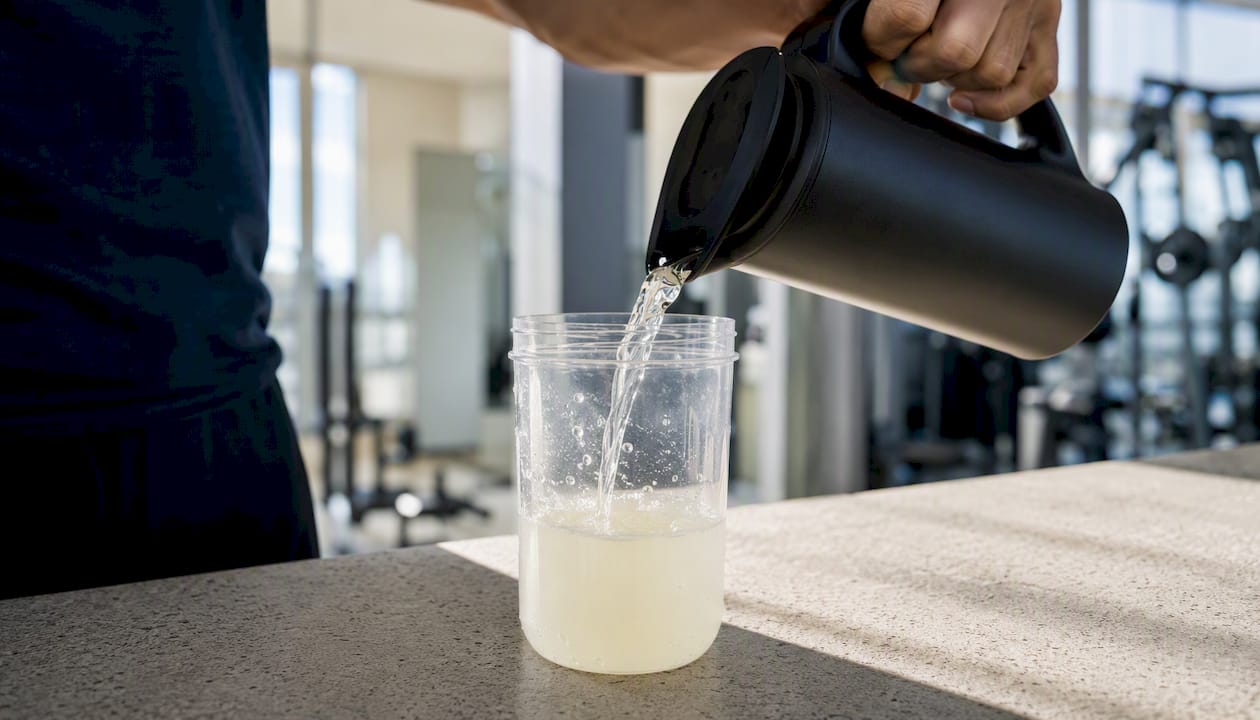
Pro Tip: If you finish a long run and your face or hands look puffy, that is a sign of fluid retention without adequate sodium, not overhydration in the traditional sense. Add sodium to your post-exercise drink rather than cutting fluid volume.
Precise timing and volumes for every phase of training
Getting the numbers right is straightforward once you break it into three windows. These recommendations align with NATA’s position statement on fluid replacement for athletes, which remains the most widely cited clinical guideline in the field.
Pre-exercise
- Two to three hours before training or competition, drink 500–600 mL (17–20 oz). This gives your kidneys time to excrete any excess and lets you start the session in a euhydrated state.
- Ten to twenty minutes before you begin, drink another 200–300 mL (7–10 oz). Think of this as your final top-off.
During exercise
- Target small to moderate fluid volumes every 10–20 minutes when drinking opportunities allow.
- In sports with structured breaks (basketball, soccer halftime, tennis changeovers), plan your intake around those windows rather than trying to drink continuously.
- For sessions over 60 minutes, switch to a drink containing electrolytes and carbohydrates. Keep body mass loss below 2% of starting weight.
Post-exercise
- Replace fluid losses at a rate of 20–24 oz per pound of body weight lost, or approximately 1.2–1.5 L per kilogram lost.
- Include sodium in your recovery drink to improve fluid retention compared with plain water.
- When your recovery window is short (less than four hours before your next session), NATA recommends replacing 100–150% of calculated fluid losses to offset ongoing urine losses. That means if you lost one pound, drink 24–36 oz, not just 20–24 oz.
How to measure your sweat rate and build a personalized plan
Generic guidelines are a starting point. Your actual sweat rate can range from less than half a liter per hour to more than two liters per hour depending on your fitness level, body size, heat acclimatization, and the conditions. Sweat-rate testing combined with WBGT-informed environmental adjustments gives you a genuinely personalized hydration plan rather than a borrowed one.
How to calculate your sweat rate in four steps:
- Weigh yourself in minimal clothing immediately before a training session (no eating or drinking in the 30 minutes prior).
- Train for a known duration (60 minutes works well) under representative conditions. Track any fluid you drink during the session in ounces or milliliters.
- Weigh yourself again immediately after, in the same minimal clothing, before eating or drinking.
- Apply the formula: Sweat loss (oz) = (Pre-weight lbs – Post-weight lbs) × 16 + fluid consumed (oz). Divide by session time in hours to get your hourly sweat rate.
Example: You weigh 170 lbs before and 168.5 lbs after a 60-minute run, and you drank 8 oz during the session. Your sweat loss = (1.5 × 16) + 8 = 32 oz per hour. Your replacement target during a similar session is roughly 32 oz per hour, or about 8 oz every 15 minutes.
Use this log template to build your personal baseline across different conditions:
Run this test in cool conditions, then again in heat. The difference will show you exactly how much your needs shift with the environment.
How to recognize dehydration versus overhydration
Most athletes are more familiar with dehydration, but both ends of the spectrum carry real risk. Knowing the difference matters, especially during long events where the temptation to keep drinking is strong.
Dehydration red flags:
- Dark yellow or amber urine (pale yellow is the target)
- Dizziness or lightheadedness, especially when standing
- Muscle cramps during or after exercise
- Dry mouth and reduced sweat rate despite continued effort
- Confusion or difficulty concentrating late in a session
Overhydration / hyponatremia red flags:
- Nausea and vomiting after drinking heavily
- Persistent headache that worsens over time
- Swelling in the hands, feet, or face
- Confusion, disorientation, or altered mental status
- In severe cases: seizures or loss of consciousness
If an athlete shows confusion, seizures, or unresponsiveness after a long event, do not give more water. Call emergency services immediately. Exercise-associated hyponatremia requires medical management, not more fluid.
For day-to-day monitoring, body weight and urine color are your two most practical tools. Weigh yourself at the same time each morning; a drop of more than 1% from your baseline over consecutive days signals you are not recovering fluid between sessions.
Water, sports drinks, ORS, and foods: what to reach for and when
Not every fluid source works equally well in every situation. Here is a practical breakdown:
- Water: Best for sessions under 60 minutes and low-intensity activity. Zero cost, zero sugar, universally available. Insufficient sodium for prolonged efforts.
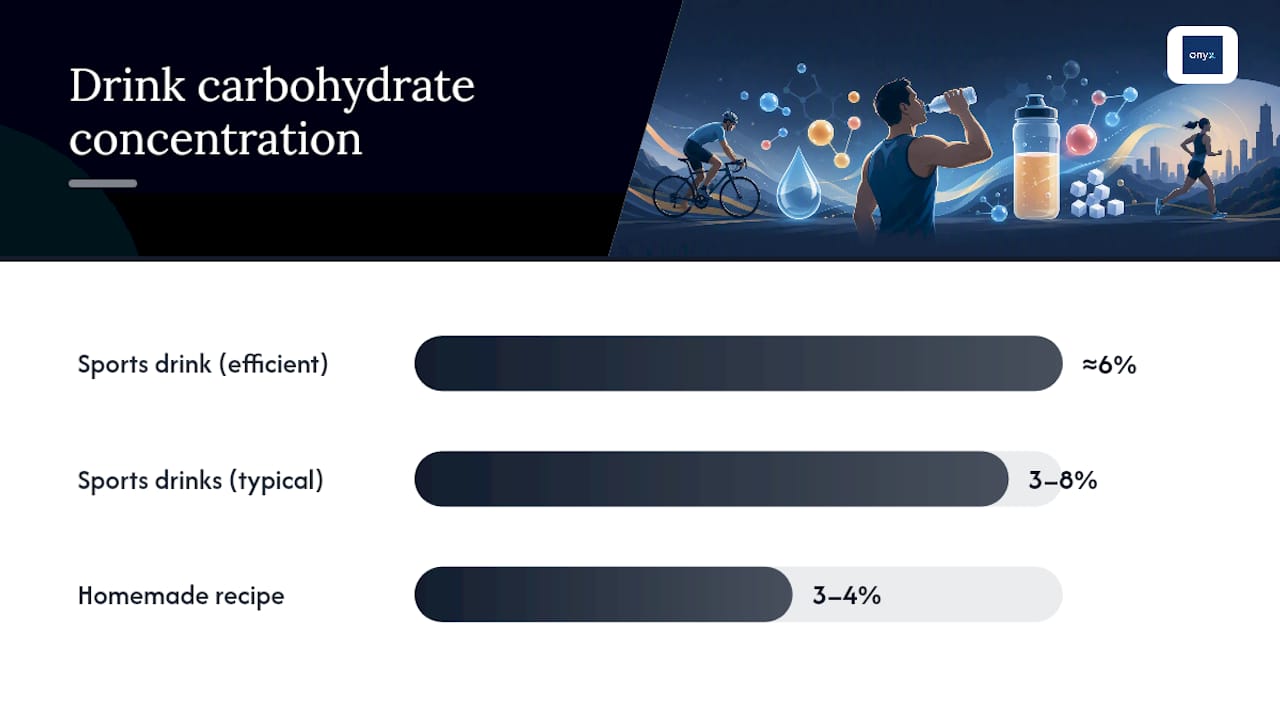
- Sports drinks (3–8% carbohydrate): Useful for vigorous exercise exceeding 60 minutes. Drinks with approximately 6% carbohydrate hydrate efficiently and supply energy during longer efforts. Harvard’s Nutrition Source notes these drinks are primarily beneficial for vigorous exercise over 60 minutes and cautions about sugar content for youth.
- Oral rehydration solutions (ORS): Higher sodium concentration than sports drinks; designed for rapid rehydration after significant losses. Useful post-event or when illness has caused fluid loss.
- Coconut water: Moderate potassium, low sodium. Fine for mild rehydration but lacks the sodium concentration needed after heavy sweat losses.
- Chocolate milk: A well-studied recovery drink. Provides carbohydrates, protein, sodium, and fluid in one package; practical for the 30–60 minute post-exercise window.
Eating your hydration is an underused strategy. High-water-content fruits and vegetables supply fluid alongside electrolytes and water-soluble vitamins. Watermelon (92% water), cucumber (96% water), and pineapple are practical pre- or post-training additions. Pairing these foods with an electrolyte drink improves overall rehydration better than either alone.
Simple homemade sports drink recipe:
- 16 oz water
- 2 tablespoons 100% fruit juice (orange or lemon for flavor and a small carbohydrate boost)
- 1/8 teaspoon table salt (approximately 275–300 mg sodium)
- Optional: 1 teaspoon honey or maple syrup for sessions over 90 minutes
This formula lands near a 3–4% carbohydrate concentration with adequate sodium for most moderate-duration sessions. Scale the salt up slightly for hot conditions or heavy sweaters.
Pro Tip: Serve your drinks at around 50–59°F (10–15°C). Cool fluids are more palatable during exercise, which means you will voluntarily drink more of them, a simple way to improve compliance with your hydration plan.
How to read a sports drink label and pick the right product
The label tells you almost everything you need to know if you know what to look for.
What to aim for:
- Carbohydrate concentration: 3–8% for during-exercise drinks. Divide grams of carbohydrate per serving by serving size in milliliters, then multiply by 100. A drink with 14g carbs per 240 mL is about 5.8%, which sits in the right range.
- Sodium content: Roughly 300 mg per 16 oz is a practical reference point for most athletes during exercise. Post-exercise drinks can go higher to support retention.
- Multiple carbohydrate sources: Glucose and fructose together absorb faster than either alone, which matters for sessions over 90 minutes.
What to avoid or limit:
- Carbohydrate concentrations above 8% during exercise. These slow gastric emptying and can cause GI distress, especially in heat.
- High-fructose corn syrup as the primary sweetener, particularly for youth athletes or anyone with GI sensitivity.
- Caffeine in drinks you are using primarily for hydration. Caffeine at moderate doses (under 3 mg/kg body weight) does not meaningfully impair hydration in trained athletes, but it adds a variable you do not need during a hydration-only window.
- Excessive added sugar in everyday training drinks. Save the higher-carbohydrate formulas for genuinely long or intense sessions.
A quick label comparison: if Drink A has 110 mg sodium and 28g sugar per 12 oz, and Drink B has 300 mg sodium and 14g sugar per 16 oz, Drink B is the better choice for a 90-minute training session. Drink A might work fine for a 30-minute recovery jog.
How heat, altitude, youth, and other factors change your hydration needs
The standard guidelines assume moderate conditions and a healthy adult. Real life rarely cooperates.
Key modifiers and adjustments:
- Heat and humidity: Sweat rate can double or triple in hot, humid conditions. Monitor wet-bulb globe temperature (WBGT) when possible; many sports organizations use WBGT thresholds to modify or cancel outdoor events. Increase your during-exercise intake and prioritize sodium.
- Cold weather: Thirst sensation is blunted in cold environments, and respiratory water loss increases. You can become significantly dehydrated without feeling thirsty. Schedule drinking rather than relying on the urge.
- Altitude: Respiratory rate increases at altitude, raising fluid losses through breathing. Thirst is unreliable. Increase baseline intake and monitor urine color closely for the first few days at elevation.
- Heavy equipment or uniforms: Football pads, hockey gear, and similar equipment trap heat and dramatically increase sweat rate. These athletes need higher volumes and more frequent electrolyte replacement than their sport’s duration alone would suggest.
- Youth athletes: Children have a higher surface-area-to-mass ratio and less efficient thermoregulation than adults. Sports drinks should be monitored for sugar content in youth; water is preferred for routine activity, with electrolyte drinks reserved for prolonged or high-intensity sessions.
- Older adults: Thirst perception declines with age. Older athletes should schedule fluid intake proactively rather than waiting for thirst.
Pro Tip: If you are traveling to a hot climate for a race or tournament, plan at least five to seven days of heat acclimatization training before competition. Plasma volume expands and sweat efficiency improves, meaningfully reducing your fluid needs on race day.
Athletes managing chronic conditions such as kidney disease, heart failure, or diabetes should confirm their hydration plan with a clinician before making significant changes.
Sample hydration plans by session length and intensity
Pick the plan that matches your session, then adjust volumes based on your personal sweat-rate data.
| Session type | Pre-exercise | During exercise | Post-exercise |
|---|---|---|---|
| Short (<60 min, low intensity) | 500–600 mL 2–3 hrs before | Water as desired; no electrolytes needed | 16–20 oz water; normal meal covers electrolytes |
| Moderate (60–90 min, moderate intensity) | 500–600 mL 2–3 hrs before + 200–300 mL 10–20 min before | 200–300 mL every 15–20 min; electrolytes if sweating heavily | 20–24 oz per lb lost; add sodium |
| Long (>90 min, endurance) | 500–600 mL 2–3 hrs before + 200–300 mL 10–20 min before | 200–300 mL every 10–20 min with electrolytes and 3–8% CHO drink | 20–24 oz per lb lost; 100–150% replacement if next session is within 4 hrs |
| Intermittent team sports | 500–600 mL 2–3 hrs before + 200–300 mL 10–20 min before | Drink at every structured break (halftime, timeouts, changeovers); electrolytes for sessions >60 min | 20–24 oz per lb lost; sodium-containing drink or food |
What to keep in your gym bag or race kit:
- A measured water bottle (at least 24 oz) so you know exactly how much you are drinking
- Single-serve electrolyte packets or dissolvable strips for sessions over 60 minutes
- A small snack with natural sodium (salted nuts, pretzels) for post-training recovery
- A urine color reference card or mental note: pale yellow is the target, dark amber means drink more
When concentrated formats like strips and powders genuinely help
Dissolvable strips and powders are not magic, but they solve a real problem: portability and dosing precision when carrying a full sports drink is impractical. Portability and testing convenience make concentrated formats attractive, and they work best when athletes confirm those formats deliver appropriate sodium and carbohydrates for the session.
Practical pros:
- Lightweight and easy to carry in a race kit, jersey pocket, or gym bag
- Pre-measured doses reduce the guesswork of mixing powders on the go
- Some formats (dissolvable strips in particular) absorb quickly through oral mucosa, which can be useful for targeted recovery support
- Useful for athletes with GI sensitivity who struggle with large volumes of liquid during exercise
Practical cons:
- Most strips and concentrated formats are not designed to replace the full fluid volume you need during exercise. You still need water alongside them.
- Carbohydrate content varies widely; check labels to confirm the product delivers what your session requires.
- Cost per serving is generally higher than powder-based drinks or homemade options.
Dosing guidance: Always test a new format in training before using it in competition. GI tolerance varies, and discovering a product causes nausea at mile 18 of a marathon is not a situation you want to be in. Start with the manufacturer’s recommended dose, assess tolerance over two to three sessions, and adjust from there. For creatine hydration combinations, the same principle applies: test the combination in training, not on race day.
Pro Tip: Pair a dissolvable strip with 16–20 oz of water rather than taking it dry. The strip delivers the targeted compound; the water provides the fluid volume your body actually needs to rehydrate.
A practical recovery nutrition plan that integrates hydration, carbohydrates, and protein in the right sequence will always outperform any single supplement format on its own.
The part of hydration planning most athletes skip entirely
Here is an honest observation: the athletes who struggle most with hydration are not the ones who lack information. They are the ones who have never actually measured their sweat rate. They read a guideline, estimate their losses, and wonder why they still cramp or fade late in a race.
The sweat-rate test described earlier takes about 90 minutes total, including the session itself. Do it once in cool conditions and once in heat, and you will know more about your personal fluid needs than most recreational athletes ever bother to learn. That data point, your actual hourly sweat rate, is what turns generic advice into a plan that works for your body.
The second thing most athletes skip is practicing their hydration plan in training. Consensus guidance from sports science researchers is clear: practice your intended drinking plan before competition, not on race day. Your gut adapts to drinking while exercising, and so does your pacing rhythm. Athletes who try to drink 200 mL every 15 minutes for the first time during a half-marathon often find it harder than expected.
Start this week. Pick one training session, weigh yourself before and after, and calculate the number. Then build from there.
Onyxwellness products that fit naturally into your hydration and recovery routine
Onyxwellness offers a line of fast-absorbing, Ayurvedic-inspired dissolvable strips designed for athletes who want targeted recovery support without the bulk of another bottle or capsule. Three products fit naturally into the hydration and recovery workflow this article describes.
The Digestive + Gut Health Strips are worth considering if GI discomfort during or after exercise is a recurring issue for you. Gut distress is one of the most common reasons athletes underdrink during long sessions, and supporting digestive comfort can make it easier to stick to your fluid plan. The Probiotic + Metabolism Strips pair gut health support with metabolic recovery, useful in the hours after a hard session when your system is working to restore balance. For overnight recovery, the Sleep Strips support the deep sleep your body needs to complete the repair work that hydration and nutrition start.
All three are sugar-free, dissolvable without water, and designed for convenience. Try each one in training first, monitor your response over a few sessions, and check the product labels against your specific needs before making them a regular part of your routine.
Sources
The claims in this article draw on the following primary references:
- Sports and Hydration for Athletes: Q&A with a Dietitian | Johns Hopkins Medicine
- National Athletic Trainers’ Association Position Statement: Fluid Replacement for Athletes
- Hydration to Maximize Performance and Recovery: Knowledge, Attitudes, and Behaviors Among Collegiate Track and Field Throwers - PMC
- Sports drinks | Nutrition Source | Harvard T.H. Chan School of Public Health
- Personalized hydration strategies and practical solutions (Korey Stringer / consensus proceedings)
This article is general information, not a substitute for advice from a qualified doctor. Consult a qualified healthcare professional about your own circumstances before acting on anything here.
FAQ
How should athletes hydrate before a race or competition?
Drink 500–600 mL two to three hours before your event, then another 200–300 mL ten to twenty minutes before the start, per NATA’s fluid replacement guidelines. Arrive at the start line with pale yellow urine as your confirmation that you are well hydrated.
What do professional athletes use for hydration during long events?
Most use sports drinks containing 3–8% carbohydrate and 300–500 mg of sodium per 16 oz, often alongside water at aid stations. Drinks near 6% carbohydrate hydrate efficiently and supply energy without slowing gastric emptying the way higher-concentration drinks can.
What is the best rehydration strategy after exercise?
Replace 20–24 oz of fluid for every pound of body weight lost, and include sodium in your recovery drink to improve fluid retention compared with plain water. If your next session is within four hours, target 100–150% of your calculated losses to offset ongoing urine output.
How much water do athletes need per day?
Daily needs vary significantly by body size, training load, and environment, so a single number is misleading. The most reliable approach is to monitor morning body weight and urine color across consecutive days; consistent pale yellow urine and stable morning weight indicate adequate daily intake.
When should athletes use electrolyte drinks instead of water?
Use electrolyte drinks for any session exceeding 60 minutes of vigorous effort, when training in heat or humidity, or when you are a heavy sweater. Water is adequate for routine activity and sessions under 60 minutes; electrolytes become necessary when sweat losses are substantial enough to affect blood sodium levels.