


The quickest way to calm down after drinking is to treat your body first, then your nervous system. Start with water and an electrolyte drink, eat something small with carbs and a bit of protein, and give yourself three to five minutes of slow breathing or grounding before you try to sleep. That order matters: shaky blood sugar and dehydration make anxiety worse, so physical relief usually has to come first.
Here’s the short version to act on right now:
- Drink water, then an electrolyte beverage or oral rehydration solution
- Eat a bland carb-protein snack (toast with peanut butter, crackers and yogurt)
- Do a 3 to 5 minute breathing or grounding reset
- Dim the lights, lower the noise, and rest or nap
- Skip more alcohol and skip acetaminophen
Symptoms tend to peak within a few hours and fully resolve within about 8 to 24 hours, according to Cleveland Clinic. There’s no shortcut around that window, but the steps above make it far more tolerable.
Key Takeaways
Relaxation after drinking depends on sequencing physical recovery, hydration, food, and rest, before layering in breathing or grounding techniques to calm anxiety.
| Point | Details |
|---|---|
| Treat the body first | Hydrate with water and electrolytes, then eat a bland carb-protein snack to stabilize blood sugar. |
| Use short nervous-system resets | Try 3 to 5 minutes of box breathing or 5-4-3-2-1 grounding to ease hangxiety quickly. |
| Respect the timeline | Symptoms generally resolve within 8 to 24 hours; time is the real cure. |
| Avoid these mistakes | Skip more alcohol, avoid acetaminophen, and don’t overdo caffeine or heavy meals. |
| Consider supportive extras | Onyxwellness Hangover Strips offer a fast, water-free way to support hydration and nutrient replenishment. |
Table of Contents
- How to Support Relaxation After Drinking Through Physical First Aid
- Fast Nervous-System Resets: Breathing and Grounding Techniques
- Getting Real Rest When Alcohol Has Wrecked Your Sleep
- Nutrition and Supplements That Actually Support Recovery
- When Gentle Movement Helps and When to Just Rest
- Preventing Hangxiety Before It Starts
- Warning Signs That Need Medical Attention
- Why Alcohol Triggers Anxiety in the First Place
- An Honest Take on Hangxiety and Recovery
- A Few Discreet Recovery Aids Worth Keeping On Hand
- Sources
- FAQ
How to Support Relaxation After Drinking Through Physical First Aid
Hangxiety, the tight, jittery anxiety that shows up hours after drinking stops, responds better to physical treatment than to willpower. Your body is dealing with dehydration, blood sugar swings, and a nervous system rebounding from alcohol’s sedative effect. Fix the physical layer first and the anxiety usually softens on its own.
Water alone won’t fully rehydrate you after heavy drinking, since alcohol is a diuretic that flushes sodium and potassium along with fluid. Follow water with an electrolyte drink or an oral rehydration solution. Pale yellow urine is a reasonable sign you’re getting back on track; dark yellow or amber means keep drinking fluids.
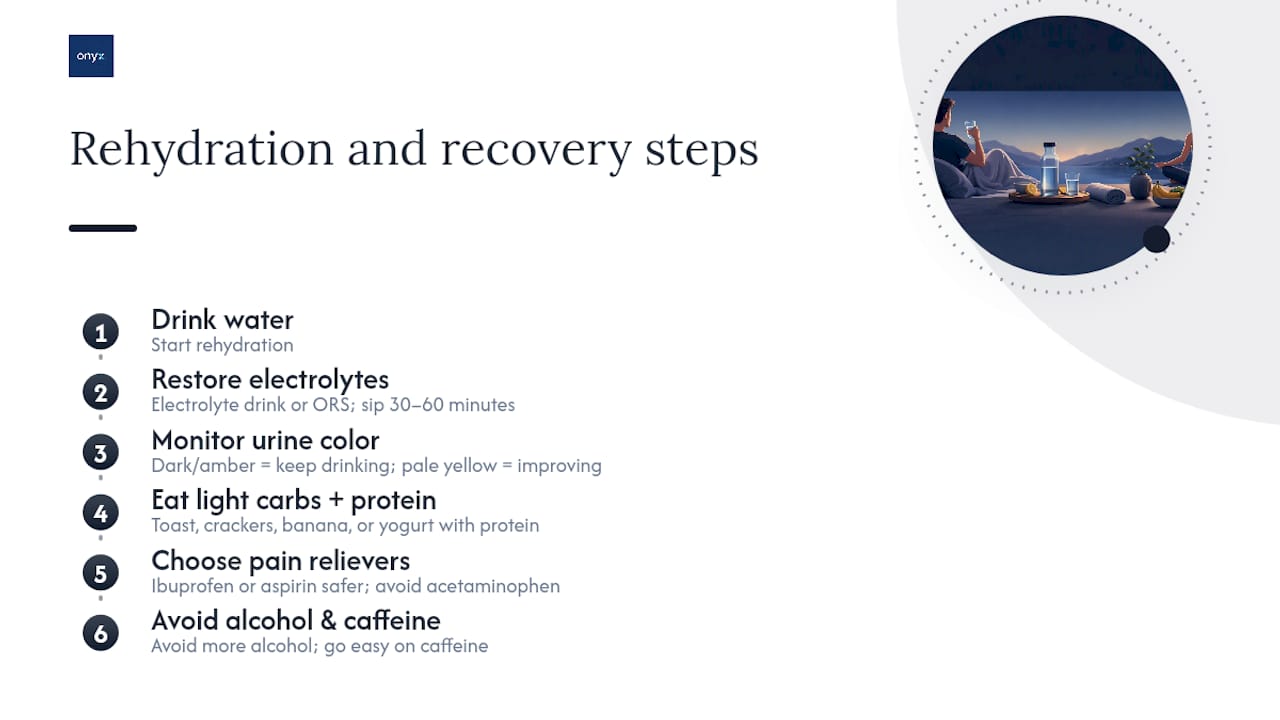
Food matters just as much. Alcohol suppresses the liver’s ability to release stored glucose, which is part of why you feel shaky, foggy, or anxious the next day. A small serving of toast, crackers, banana, or yogurt with a bit of protein helps stabilize blood sugar without overloading a queasy stomach. Skip the greasy fry-up. It feels appealing but tends to worsen nausea.
For pain, ibuprofen or aspirin are generally safer choices than acetaminophen, which can stress a liver that’s already processing alcohol byproducts. The FDA has flagged the acetaminophen-alcohol combination as a genuine liver risk, so it’s one to avoid until alcohol has fully cleared your system. An antacid can take the edge off stomach upset.
Pro Tip: Sip electrolyte fluid slowly over 30 to 60 minutes instead of chugging it. Gulping large volumes on an unsettled stomach often triggers nausea and undoes the benefit.
Avoid the urge to reach for more alcohol to “take the edge off,” and go easy on caffeine. Both can spike your heart rate right when your nervous system needs to settle down.
Fast Nervous-System Resets: Breathing and Grounding Techniques
Once you’ve addressed hydration and blood sugar, a short breathing or grounding practice can shift your body out of alarm mode within minutes, using practical cognitive and grounding strategies for anxiety management. Slower breathing increases vagal tone, the signal that tells your nervous system it’s safe to stand down, which is a documented mechanism for reducing acute anxiety symptoms.
Try one of these for 3 to 5 minutes:
- Box breathing: Inhale for 4 counts, hold for 4, exhale for 4, hold for 4. Repeat.
- 5 in, 7 out: Inhale through your nose for 5 counts, exhale slowly through your mouth for 7. The longer exhale is what does the calming work.
- 4-4-8: Inhale for 4, hold for 4, exhale for 8. Good for lying down in bed.
If your mind is racing instead of your heart, ground yourself with the 5-4-3-2-1 method: name 5 things you see, 4 you can touch, 3 you hear, 2 you smell, 1 you taste. Holding an ice cube or pressing your feet into the floor works too.
For progressive muscle relaxation, lie down and tense each muscle group for 5 seconds, then release, starting at your feet and working up to your face.
Pro Tip: A short warm shower followed by a splash of cool water on your face can speed up the calming effect of breathing work, since the temperature shift helps trigger the same vagal response.
Getting Real Rest When Alcohol Has Wrecked Your Sleep
Alcohol suppresses REM sleep early in the night, then rebounds later, which is why you might wake up at 3 a.m. wired and anxious even though you’re exhausted. You can’t force deep sleep back on schedule, but you can make the environment work in your favor.
- Cool the room down, ideally in the low 60s Fahrenheit
- Dim lights and cut noise with a fan or white noise
- Prop your head up slightly to ease alcohol-related reflux
- Skip screens, caffeine, and heavy food in the hour before trying again
If sleep won’t come, a 10 to 15 minute guided body scan or non-sleep deep rest (NSDR) session can lower arousal enough to let sleep happen naturally, and it beats lying there watching the clock. Rest plus time is the actual recovery mechanism here. Nothing speeds up the clock, but a calmer body makes the wait easier.
Nutrition and Supplements That Actually Support Recovery
Food and hydration do the heaviest lifting in recovery, but a few supplements can round out the picture. Electrolyte drinks or an oral rehydration solution replace what alcohol flushed out, and a small carb-and-protein snack keeps blood sugar steady enough to prevent the shaky, anxious feeling that comes with a crash.
B vitamins and vitamin C support the body’s replenishment process, and magnesium is commonly used for its calming effect on the nervous system. None of these are a cure. They’re supportive, not curative, and the real recovery driver is still time and hydration.
- Electrolyte drinks or oral rehydration solutions
- B-complex vitamins and vitamin C
- Magnesium for relaxation support
- A dissolvable option like Onyx Wellness Hangover Strips for a fast, water-free way to get nutrients in when your stomach isn’t cooperating
Pro Tip: Avoid sedating herbal blends (heavy valerian or kava combinations) if you need to be sharp later in the day. They can compound grogginess on top of an already tired nervous system.
When Gentle Movement Helps and When to Just Rest
A short walk or a few restorative yoga poses can genuinely help. Light movement increases circulation and gives your mind something to focus on besides looping anxious thoughts. A 10 to 20 minute walk or gentle stretching session is usually enough.
- Try a 10-20 minute walk outside if you’re steady on your feet
- Restorative yoga or light stretching works well indoors
- Stop immediately if you feel dizzy, nauseous, or unsteady, and rehydrate instead
If you’re still dehydrated or wobbly, skip exercise entirely. Sitting or lying down safely comes first.
Preventing Hangxiety Before It Starts
The best relaxation strategy is the one you never need. Pacing drinks, alternating with water, and eating throughout the night all reduce the severity of what follows, and small habit changes tonight can make tomorrow much easier.
- Alternate every alcoholic drink with a glass of water or electrolyte sip
- Eat a real meal before and during drinking, not just snacks
- Set a “lights out” cue for yourself, a specific time to stop drinking
Three things to try at your next event:
- Eat a B-vitamin-rich meal beforehand
- Keep a hydration count alongside your drink count
- Use a dissolvable nutrient strip before bed if you know you overdid it
For a deeper pacing framework, Onyxwellness has a full wellness workflow for hangover prevention worth bookmarking.
Warning Signs That Need Medical Attention
Most hangxiety resolves with self-care, but some symptoms are not something to wait out. Call emergency services for confusion, fainting, seizures, vomiting that won’t stop, or chest pain and trouble breathing. These point to alcohol poisoning or another emergency, not a routine hangover.
On the mental health side, persistent suicidal thoughts, panic that doesn’t ease with grounding, or anxiety that keeps worsening over several days needs a mental health professional or a crisis line, not another breathing exercise. If symptoms drag on past 24 hours or keep recurring after drinking, talk to a healthcare provider. Recurring hangxiety is worth investigating, not normalizing.
Why Alcohol Triggers Anxiety in the First Place
Alcohol initially calms the nervous system, then rebounds hours later as it clears, which is the physiological root of hangxiety. It suppresses REM sleep, causes blood sugar swings, dehydrates you, and leaves your nervous system in a mild withdrawal-like state as it processes the toxins.
- Alcohol disrupts neurotransmitter balance tied to calm and mood
- Dehydration and blood sugar crashes amplify physical anxiety symptoms
- REM rebound fragments sleep and worsens next-day mood
Time is the only true cure. Clinical sources including NIAAA and Cleveland Clinic agree that symptoms ease within roughly 8 to 24 hours as the body finishes clearing alcohol byproducts. Self-care manages the discomfort in the meantime.
An Honest Take on Hangxiety and Recovery
Hangxiety is genuinely distressing, and it deserves more than a dismissive “just drink water” response. What actually helps is treating your body and mind as connected problems, not separate ones. Small, sequenced steps, hydrate, eat, breathe, rest, restore a sense of control faster than waiting it out alone ever does.
A Few Discreet Recovery Aids Worth Keeping On Hand
Building a recovery stack doesn’t require a cabinet full of pills. Onyx Wellness Hangover Strips dissolve on the tongue with no water needed, making them a practical option for replenishing hydration-supporting nutrients when your stomach isn’t ready for a full glass of anything.
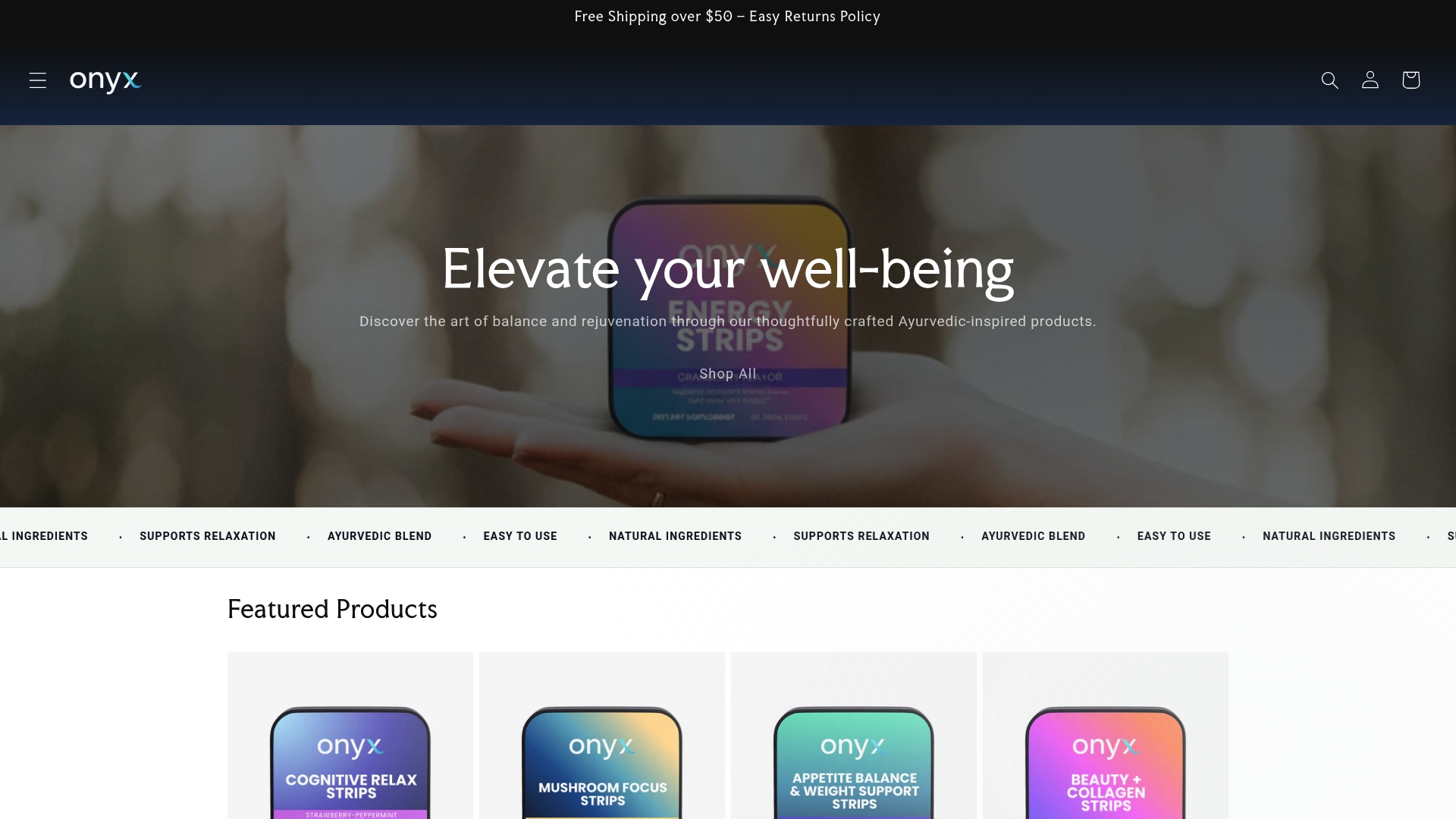
If next-day fatigue is your bigger complaint, Energy Strips offer a lighter lift than another cup of coffee. Frequent drinkers dealing with documented iron deficiency might also look at Iron Strips, and the Hair, Skin and Nails Strips round out a broader wellness routine for anyone building consistent self-care habits beyond the occasional rough morning. Browse the full collection to find what fits your routine.
These are supports, not substitutes for medical care. Follow label directions, avoid combining with medications that interact with alcohol, and skip supplements entirely if you’re still heavily intoxicated. If you want the fastest option in hand for tonight, start with the Hangover Strips and build from there.
Sources
- Hangover: What It Is, Symptoms & How To Cure - Cleveland Clinic
- Hangovers (NIAAA brochure)
- NCBI / PMC article used to support autonomic and breathing-regulation claims
This article is general information, not a substitute for advice from a qualified doctor. Consult a qualified healthcare professional about your own circumstances before acting on anything here.
FAQ
How Do I Calm Hangxiety Fast?
Hydrate, eat something small, and do 3 to 5 minutes of slow breathing like box breathing or the 5-4-3-2-1 grounding method. Dim lights and quiet surroundings help the nervous system settle faster too.
Why Are My Lymph Nodes Swollen After Drinking Alcohol?
Swollen lymph nodes after drinking are usually unrelated to alcohol itself and more likely tied to an infection or immune response happening at the same time. If swelling persists or comes with fever, check with a healthcare provider.
What Is the 1-2-3 Rule for Drinking?
Definitions vary, but a common version pairs one alcoholic drink with two glasses of water and limits intake to three drinks total per session, a simple pacing method to reduce next-day symptoms.
I Have a Hangover and Can’t Keep Anything Down. What Should I Do?
Sip small amounts of water or an electrolyte solution slowly rather than drinking a full glass at once, and try plain crackers once your stomach settles. If vomiting continues for hours or you can’t keep any fluids down, seek medical care.
How Long Does Hangxiety Usually Last?
Most hangxiety and hangover symptoms ease within about 8 to 24 hours as the body rehydrates and finishes clearing alcohol byproducts. Persistent anxiety beyond that window is worth discussing with a professional.