


TL;DR:
- Holistic well-being involves balancing mental, physical, and emotional health through daily practices. Intentional activities like gratitude and mindfulness significantly impact overall wellness. Building sustainable routines around small, consistent actions helps improve health without burnout.
Holistic well-being is the balanced integration of mental, physical, and emotional health achieved through intentional daily practices and lifestyle choices. The industry term for this approach is “integrative wellness,” and it treats the mind, body, and environment as one connected system rather than separate problems to fix. A 2026 systematic review found that intentional activities like gratitude, kindness, and mindfulness account for up to 40% of the variability in overall well-being. That number matters because it means your daily choices carry real weight. Knowing how to improve holistic well-being is not about perfection. It is about building a sustainable relationship with yourself, one small, consistent practice at a time.
What are the foundational pillars of holistic well-being?
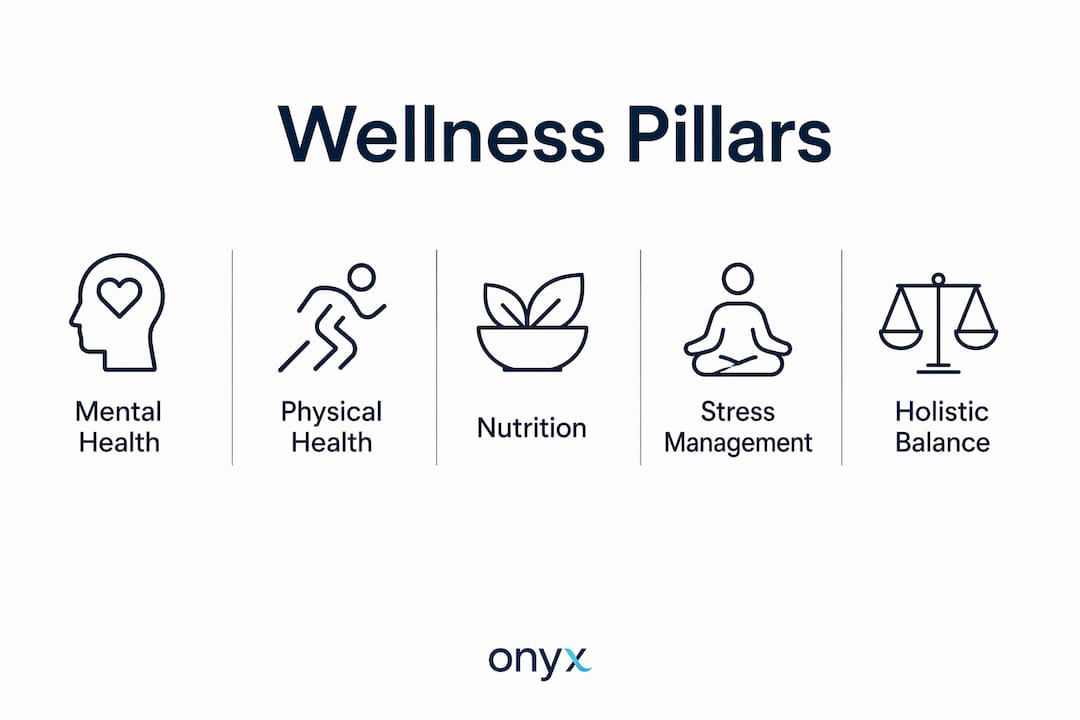
Integrative wellness rests on four interconnected pillars: mental health, physical health, nutrition, and stress management. Each one feeds the others. When one pillar weakens, the rest feel it.
Physical health functions as the biological foundation for cognitive performance and emotional resilience. Sleep quality, cardiovascular fitness, and gut function all shape how clearly you think and how steadily you feel. Neglect your body, and mental clarity follows it downward.
The four pillars work through specific biological systems:
- Circadian rhythms regulate sleep, hormone release, and immune function. Disrupting them through irregular sleep or late-night screen exposure raises cortisol and impairs recovery.
- The gut-brain axis links your digestive microbiome directly to mood and stress response. What you eat shapes the neurotransmitters your brain produces.
- Cardiovascular health supports oxygen delivery to the brain, which affects focus, memory, and emotional regulation.
- Mind-body integration practices like yoga and meditation activate the parasympathetic nervous system, reducing the physical toll of chronic stress.
These pillars are not a checklist. They are a web. Strengthen one, and you often see gains in the others without extra effort. That interconnection is what makes integrative wellness more efficient than targeting symptoms one at a time. For a deeper look at how these systems work together, the natural wellness tips guide from Onyxwellness breaks it down clearly.
How can intentional daily practices improve mental and emotional well-being?
Mental and emotional well-being improves most reliably through small, repeated actions rather than occasional big efforts. The research is clear: gratitude, kindness, and mindfulness are among the highest-impact activities you can practice daily. They do not require equipment, a gym, or a therapist. They require intention.
Here are five practices worth building into your day:
- Morning gratitude writing. Write three specific things you are grateful for before checking your phone. Specificity matters more than length. “I am grateful for the quiet before my kids wake up” works better than “I am grateful for my family.”
- Deep-breathing sessions. Five minutes of deep breathing, practiced three to five times daily, lowers cortisol, reduces anxiety and depression, and improves memory. Box breathing (four counts in, hold, out, hold) is one of the simplest formats to start with.
- Acts of kindness. Performing one deliberate kind act per day, whether for a stranger or a coworker, consistently raises reported well-being scores in positive psychology research.
- Creative engagement. Drawing, cooking, writing, or playing music activates different neural pathways than analytical work. Even 20 minutes of creative activity reduces stress hormones measurably.
- Social connection. A brief, genuine conversation with someone you trust does more for emotional regulation than most solo wellness practices. Isolation amplifies stress; connection buffers it.
Pro Tip: Avoid treating these practices as tasks to complete. Approach them with curiosity. Ask yourself how you feel before and after each one. That self-awareness is what Dr. Jody Carrington describes as the bridge between knowing and doing.
What nutrition and physical activity approaches best support overall health?
Nutrition and movement are the two levers with the most immediate, measurable impact on how you feel day to day. The key is choosing approaches that fit your life rather than following a rigid program you will abandon in three weeks.

Eating for your gut-brain axis
Gut microbiome activity regulates neurotransmitter production, which directly affects mood and stress response. This means food is not just fuel. It is information your brain receives several times a day. Eating for microbiome health rather than calorie counts produces better emotional outcomes.
| Food category | Examples | Primary benefit |
|---|---|---|
| Fiber-rich foods | Oats, lentils, leafy greens | Feeds beneficial gut bacteria |
| Fermented foods | Yogurt, kimchi, kefir | Introduces live cultures to the microbiome |
| Anti-inflammatory staples | Turmeric, fatty fish, berries | Reduces systemic inflammation |
| Prebiotic foods | Garlic, onions, bananas | Supports existing microbiome diversity |
Tracking biofeedback like energy levels after meals gives you immediate, personalized data on how food affects your mood and cognitive clarity. You do not need a nutrition degree. You need to notice how you feel two hours after eating.
Movement that matches your goals
- Yoga is one of the most effective exercise modalities for cortisol reduction. A network meta-analysis of 3,284 participants confirmed yoga produces significant reductions in cortisol compared to other exercise types.
- Strength training supports bone density, metabolic health, and mood through endorphin release.
- Walking improves cardiovascular health and immune function with minimal recovery cost.
- Tai chi combines movement with breath control, making it particularly effective for stress management and balance.
Choosing activities aligned with your values and social context ensures long-term consistency regardless of the specific modality. The best exercise is the one you will actually do next week.
Pro Tip: Try a two-week food and mood log. Note what you ate and rate your energy and mood two hours later on a scale of 1 to 10. Patterns emerge faster than you expect.
How to structure a wellness routine for long-term success
Building a sustainable wellness routine requires strategy, not willpower. Most people fail not because they lack motivation but because they try to change everything at once.
Follow these steps to build a routine that sticks:
- Identify your highest friction point. Is it sleep, stress, nutrition, or movement? Start there. Fixing the biggest drain first creates momentum that makes other changes easier.
- Stack micro-habits onto existing anchors. Micro-habit stacking means attaching a new behavior to something you already do reliably. Drink a glass of water before your morning coffee. Do five deep breaths before opening your laptop.
- Protect your morning and pre-sleep windows. Optimizing transitions like these two daily windows is more effective for cortisol regulation than adding long meditation sessions. Keep screens out of the first and last 30 minutes of your day.
- Conduct monthly wellness check-ins. Spend 10 minutes at the start of each month reviewing which pillar needs the most attention. Rotate focus by season if needed.
- Use a monthly pillar focus approach. Spend one month going deep on sleep, the next on nutrition, the next on movement. Depth before breadth builds real habits rather than surface-level routines.
| Approach | What it looks like | Why it works |
|---|---|---|
| Micro-habit stacking | Breathing before coffee, stretching after brushing teeth | Low willpower cost, high consistency |
| Monthly pillar focus | One deep focus area per month | Prevents overwhelm, builds mastery |
| Transition protection | No screens first and last 30 minutes | Regulates cortisol at key biological windows |
| Seasonal adaptation | Adjusting routine intensity by season | Honors natural energy cycles |
For a full breakdown of evidence-based wellness routines, Onyxwellness has compiled practical frameworks you can apply immediately.
What are the common pitfalls in improving holistic well-being?
Even well-intentioned wellness efforts stall. Recognizing the most common traps saves you months of frustration.
- Trying to change everything at once. This is the most common reason people burn out within weeks. Your nervous system needs time to adapt. One new habit per month is more effective than ten new habits in January.
- Rigid goal-setting without compassion. Missing a day of meditation does not erase your progress. Approaching wellness as a lifelong relationship with yourself, rather than a performance to optimize, prevents the shame spiral that kills momentum.
- Ignoring digital hygiene. Avoiding screens around waking and bedtime plays a critical role in cortisol regulation and mood recovery. Most people underestimate how much late-night scrolling disrupts their baseline stress levels.
- Comparing your season to someone else’s highlight reel. Your wellness needs in a high-stress work period look different from your needs during a vacation month. Adjust expectations accordingly.
- Measuring success only by aesthetics. Weight and appearance are poor proxies for well-being. Track energy, sleep quality, mood stability, and focus instead.
“Wellness is not a destination you arrive at. It is a practice of meeting yourself where you are, with curiosity rather than judgment.”
Sustainable wellness comes from optimizing your daily transitions and routines rather than adding more activities. Function over aesthetics. Consistency over intensity.
Key Takeaways
Improving holistic well-being requires addressing mental health, physical health, nutrition, and stress management as one connected system, starting with your highest friction point and building from there.
| Point | Details |
|---|---|
| Intentional activities drive change | Gratitude, mindfulness, and kindness account for up to 40% of well-being variability. |
| Physical health underpins mental clarity | Sleep, gut health, and cardiovascular fitness directly shape mood and cognitive performance. |
| Micro-habit stacking beats overhauls | Attach new behaviors to existing anchors to reduce willpower cost and increase consistency. |
| Protect daily transitions | Keeping screens out of the first and last 30 minutes of your day regulates cortisol effectively. |
| Compassion sustains momentum | Treating wellness as an ongoing relationship, not a checklist, prevents burnout and shame cycles. |
What I have learned from treating wellness as a practice, not a project
I spent years approaching wellness like a project with a finish line. I would overhaul my diet, add a morning routine, commit to daily meditation, and then collapse under the weight of my own expectations by week three. The problem was not lack of discipline. The problem was the framing.
What actually shifted things for me was accepting that wellness is seasonal. Some months I sleep eight hours and cook every meal. Other months I am running on six hours and eating whatever is fast. Neither season is failure. Both are data.
The most underrated tip I can offer is this: start with the thing that drains you most, not the thing that sounds most impressive. If your sleep is wrecked, no amount of green juice or gratitude journaling will compensate. Fix the foundation first.
I have also found that the ethics of holistic practice matter more than most wellness content admits. Respecting your own limits, being honest about what you can sustain, and avoiding practices that feel performative rather than genuine are all part of real self-care. Wellness that is built for someone else’s approval is not wellness. It is theater.
Start small. Stay curious. Meet yourself without shame. That is the whole practice.
— Chris
How Onyxwellness supports your daily wellness practices
If you are building a wellness routine from the ground up, the right supplements can fill real gaps without adding complexity to your day.

Onyxwellness offers two products particularly well-suited to the pillars covered here. The Digestive + Gut Health Strips support the gut-brain axis directly, using Ayurvedic-inspired ingredients in a fast-absorbing, dissolvable strip format that fits any routine. For sleep, the Sleep Strips are designed to support restorative rest without the grogginess of traditional sleep aids. Both products are sugar-free, require no water, and work with your body’s natural rhythms rather than against them. Browse the full Onyxwellness collection to find what fits your current focus area.
FAQ
What does holistic well-being actually mean?
Holistic well-being, also called integrative wellness, is the balanced integration of mental, physical, and emotional health as one connected system. It treats lifestyle, nutrition, stress, and mindset as interdependent rather than separate concerns.
How long does it take to see results from holistic wellness practices?
Most people notice measurable changes in mood, energy, and sleep quality within two to four weeks of consistent practice. Deeper changes in stress resilience and gut health typically take two to three months.
What is the single most effective daily habit for improving well-being?
Deep-breathing exercises practiced for five minutes, three to five times daily, lower cortisol, reduce anxiety, and improve memory, making them one of the highest-return habits per minute invested.
How do I avoid burnout when building a wellness routine?
Focus on one pillar at a time and use micro-habit stacking rather than full overhauls. Treating wellness as an ongoing relationship rather than a performance goal prevents the shame cycles that cause most people to quit.
Can nutrition really affect mental health?
Yes. The gut microbiome regulates neurotransmitter production, which directly influences mood and stress response. Eating fiber-rich, fermented, and anti-inflammatory foods supports both digestive and emotional health simultaneously.