


If your thinking feels sluggish, a few evidence-backed moves can sharpen it within hours. Start with these:
- Drink water immediately after waking. Even mild dehydration is enough to impair attention and executive function.
- Take a 10-minute brisk walk, ideally outside. Morning aerobic movement triggers BDNF release and can open a 4–6 hour window of enhanced alertness.
- Target 7–8 hours of sleep tonight. Sleep debt compounds quickly and is one of the most reversible causes of foggy thinking.
- Single-task your first 60–90 minutes. No phone, no inbox. One meaningful task only.
- Do 5–10 minutes of focused breathing before your first work block to reset your attention baseline.
Hydration and movement produce results in hours. Sleep and exercise gains build over days to weeks. If your brain fog is severe, sudden, or accompanied by neurological symptoms, skip the self-help steps and call your doctor today.
This article is general health information, not medical advice. Consult a qualified clinician for persistent or worsening symptoms.
Key Takeaways
Improving mental clarity comes down to a short list of high-leverage habits: consistent sleep, morning hydration and movement, a quality diet, and protected focus time — with medical evaluation if symptoms persist.
| Point | Details |
|---|---|
| Sleep is the foundation | Target 7–8 hours on a consistent schedule; one week of better sleep produces measurable clarity gains. |
| Hydrate first thing | Drink 400–500 ml of water on waking to correct overnight dehydration before it impairs attention. |
| Morning movement matters | A 10–20 minute brisk walk raises BDNF and opens a 4–6 hour alertness window for focused work. |
| Test before supplementing | Run baseline labs (B12, iron, TSH, vitamin D) before starting supplements; correcting a real deficiency outperforms blind nootropic trials. |
| Onyxwellness strips fit the plan | Sleep, Digestive + Gut Health, and Probiotic + Metabolism Strips complement the lifestyle habits in this article as convenient, fast-absorbing daily support. |
Table of Contents
- What commonly fogs your focus — and what you can fix
- Daily habits with the strongest evidence for mental clarity
- Concrete routines and environment edits that sharpen focus now
- Attention training: exercises that actually strengthen focus
- Caffeine, supplements, and nootropics: what the evidence actually shows
- When to see a clinician and what to bring to the appointment
- Why morning movement plus a quality diet is such a powerful combination
- How screens and blue light are quietly draining your focus
- Stress management beyond meditation: techniques that work when you are too wired to sit still
- Why social connection and mental stimulation belong in your clarity plan
- A realistic week-by-week plan to actually regain clarity
- Onyxwellness products that fit naturally into this plan
- Sources
- FAQ
What commonly fogs your focus — and what you can fix
Brain fog is not a diagnosis. It is a symptom cluster: slow thinking, poor recall, difficulty concentrating, and mental fatigue. The good news is that most causes are reversible once you identify them.
Common, fixable contributors:
- Poor sleep — even one night under six hours measurably impairs working memory and reaction time.
- Dehydration — a morning water deficit is one of the most underestimated focus killers.
- Blood-sugar swings — skipping breakfast or eating high-glycemic meals creates energy crashes that feel like fog.
- Nutrient deficiencies — low iron, B12, or vitamin D are among the most common lab findings in people with persistent cognitive fatigue.
- Medication side effects — antihistamines, benzodiazepines, and some blood pressure drugs are frequent culprits.
- Chronic stress — sustained cortisol elevation degrades prefrontal cortex function over time.
- Hormonal shifts — perimenopause and thyroid dysfunction both produce cognitive symptoms that are often mistaken for aging or anxiety.
- Chronic inflammation — conditions like rheumatoid arthritis, fibromyalgia, and post-viral syndromes can drive cognitive fog through inflammatory pathways.
- Information overload — context-switching and notification-heavy environments fragment attention even in otherwise healthy people.
When to seek medical attention now: Sudden cognitive change, focal neurological signs (weakness, speech difficulty, vision changes), progressive memory loss, significant functional decline, or unexplained weight loss all warrant same-week evaluation, not lifestyle tweaks.
Daily habits with the strongest evidence for mental clarity
Harvard Health research consistently points to the same short list: sleep, aerobic exercise, a quality diet, and hydration. These are not suggestions to layer on top of a broken routine — they are the foundation.
Sleep
Aim for 7–8 hours on a consistent schedule. Irregular bedtimes disrupt circadian rhythm even when total hours look adequate. Practical steps:
- Set a fixed wake time, even on weekends.
- Stop screens 60 minutes before bed (blue light suppresses melatonin).
- Keep your bedroom below 68°F and fully dark.
- Avoid alcohol within three hours of sleep — it fragments REM and leaves you foggier the next morning.
Exercise
Sustained aerobic exercise at roughly 150 minutes per week is the minimum effective dose for measurable long-term changes in brain structure and cognitive resilience. For immediate benefits, a 10–15 minute morning walk is enough to shift your alertness window. Add two resistance sessions per week for metabolic and mood support.

Pro Tip: Stack your morning walk with your first five minutes of planning — review your top priority for the day while you move. You arrive at your desk already focused.
Diet
The Mediterranean and MIND diet patterns are the most consistently recommended for brain health: leafy greens, berries, nuts, olive oil, fatty fish, and legumes. Limit ultra-processed foods, added sugars, and excess alcohol. A protein-rich breakfast stabilizes blood sugar through the morning and reduces the mid-morning energy crash.
Hydration
Drink water within 30 minutes of waking. Aim for adequate hydration throughout the day, adjusting for activity and heat. Coffee counts, but pair each cup with an equal volume of water to offset mild diuretic effects.
| Habit | Target | Timeline for benefit |
|---|---|---|
| Sleep | 7–8 hours, consistent schedule | Days to weeks |
| Aerobic exercise | 150 min/week | Hours (alertness); months (structural) |
| Hydration | 400–500 ml on waking; 2–3 L/day | Hours |
| Mediterranean/MIND diet | Daily pattern | Weeks to months |
Concrete routines and environment edits that sharpen focus now
Knowing what to do and actually doing it are two different problems. Here is a reproducible daily structure that protects your best cognitive hours.
Sample morning start-up:
-
Drink 400–500 ml of water before coffee.
-
Take a 10–15 minute brisk walk, ideally outside.
-
Eat a protein-rich breakfast with berries or leafy greens.
-
Sit down for a 90–120 minute first focus block — phone in another room, notifications off, one task only.
-
Take a 10-minute break (stand, stretch, look out a window).
Environment edits that reduce cognitive load:
- Put your phone in a drawer or another room during focus blocks. Visible phones reduce working memory even when silent.
- Batch notifications to two or three scheduled check-ins per day.
- Clear your desktop to a single open window. Visual clutter competes for attention.
- Set room temperature between 68–72°F — research on thermal comfort consistently links this range to better sustained attention.
- Use instrumental music or brown noise during deep work if ambient noise is disruptive.
Behavioral tools:
- Pomodoro method: 25 minutes of focused work, 5-minute break, repeat four times, then a 20–30 minute longer break.
- Timeboxing: assign specific tasks to specific calendar slots so decisions about what to do next don’t eat into focus time.
- Single-tasking rule: close every tab and app not needed for the current task before starting.
Pro Tip: Protect the first 90 minutes of your day like a meeting you cannot cancel. No email, no social media, no reactive tasks. This single habit, applied consistently, produces more clarity than almost any supplement.
Attention training: exercises that actually strengthen focus
Think of attention as a muscle. It responds to deliberate, progressive training — and it atrophies under constant distraction. Evidence from cognitive training studies shows improvements in sustained attention are achievable, though transfer to everyday tasks varies.
Focused-reading exercise (30 minutes):
- Choose a book or long-form article — nothing with hyperlinks.
- Read for 10 minutes without stopping. If your mind wanders, note it and return.
- After 10 minutes, pause and summarize the last section in one sentence.
- Repeat twice more. Three cycles builds a 30-minute attention session.
10-minute alternative for busy days:
- Sit quietly, focus on your breath, and count each exhale up to ten. When you lose count, start over. That reset is the training.
Other attention workouts worth adding:
- Memory drills: memorize a short list of items, then recall them 30 minutes later.
- Puzzles and strategy games: crosswords, chess, and similar activities engage working memory.
- Language learning: even 10 minutes of a new language app (Duolingo, Babbel) exercises phonological and semantic processing.
Expect subtle improvements in subjective clarity and task completion within one to two weeks of daily practice. Timed attention tests — like tracking how long you can read before your mind wanders — give you a measurable baseline to track progress.
Caffeine, supplements, and nootropics: what the evidence actually shows
Supplements are not regulated like drugs in the United States. No supplement is FDA-approved to treat or prevent cognitive decline. That context matters before you spend money on a nootropic stack.
| Supplement/Approach | Evidence Strength | Typical Trial Timeline |
|---|---|---|
| Caffeine (moderate dose) | Strong (short-term alertness) | Hours |
| Omega-3 fatty acids | Moderate | 8–12 weeks |
| B vitamins / choline | Moderate (if deficient) | 4–8 weeks |
| Iron (when deficient) | Strong (if deficient) | 4–8 weeks |
| Mushroom blends (lion’s mane) | Limited | 4–8 weeks |
| Multi-ingredient nootropics | Limited/variable | Variable |
Caffeine: 100–200 mg (roughly one to two cups of coffee) produces reliable short-term alertness gains for most people. Avoid caffeine after 2 PM to protect sleep architecture. Tolerance builds quickly, so cycling off one to two days per week preserves its effect.
Omega-3s, B vitamins, and iron: These have the best evidence among supplements — but primarily when correcting a documented deficiency. Clinicians recommend baseline blood tests (CBC/iron panel, B12, TSH, vitamin D) before starting targeted supplementation, because correcting a real deficiency consistently outperforms blind supplementation.
Mushroom blends and adaptogens: Lion’s mane and ashwagandha have growing but still limited evidence for cognitive support. They are low-risk for most healthy adults, but results vary. For a deeper look at herbal supplements for clarity, Onyxwellness covers the evidence base in detail.
Safety checklist before starting any supplement:
- Confirm you have no contraindications with current medications.
- Start one supplement at a time so you can attribute any effect.
- Tell your clinician what you are taking, especially if you have a chronic condition.
- Run baseline labs first if you suspect a deficiency.
When to see a clinician and what to bring to the appointment
Lifestyle changes help most people with mild, situational brain fog. They are not a substitute for medical evaluation when the fog is serious.
Red flags that warrant prompt medical attention:
- Sudden or rapidly worsening cognitive change
- Focal neurological signs: weakness, numbness, speech difficulty, or vision changes
- Significant functional decline (unable to manage work, finances, or daily tasks)
- Unexplained weight loss alongside cognitive symptoms
- Signs of severe sleep apnea: loud snoring, gasping, or waking unrefreshed despite adequate hours
Tests clinicians commonly order for persistent brain fog:
- CBC and iron studies (rules out anemia)
- Serum B12 and folate
- TSH (thyroid function)
- Basic metabolic panel (glucose, kidney, electrolytes)
- Vitamin D level
- Sleep evaluation (if apnea is suspected)
- Mental health screening (PHQ-9 for depression, GAD-7 for anxiety)
What to bring to your appointment:
- A symptom timeline: when it started, whether it is getting worse, and any triggers you have noticed
- Your full medication and supplement list
- A brief sleep and diet log from the past week
- Any recent infection history, including COVID-19
- A concrete description of how the fog affects your daily life (work performance, driving, conversations)
Why morning movement plus a quality diet is such a powerful combination
The mechanism behind this pairing is worth understanding, because it explains why the order of your morning matters.
Aerobic exercise raises brain-derived neurotrophic factor (BDNF), a protein that supports neuron growth and synaptic plasticity. Psychology Today notes that morning movement combined with nature exposure may amplify cognitive benefits and extend the alertness window. The Mediterranean and MIND diet patterns reduce neuroinflammation and supply the amino acid precursors your brain uses to synthesize dopamine and serotonin — both critical for sustained focus.
The mind-muscle connection during morning exercise also primes attentional networks before cognitive work begins. Put it together as a mini-protocol:
- Drink 400–500 ml of water on waking.
- Take a 10–20 minute brisk walk outside.
- Eat a protein-rich breakfast with berries and a leafy green (spinach in eggs, for example).
- Sit down for your first focused work block within 30 minutes of finishing breakfast.
This sequence costs under 45 minutes and stacks three of the most evidence-supported clarity levers back to back. For more on natural strategies for cognitive support, Onyxwellness breaks down how lifestyle and supplementation interact.
How screens and blue light are quietly draining your focus
Digital devices affect mental clarity through two distinct pathways: the cognitive cost of constant context-switching, and the physiological effect of blue light on sleep quality.
Every notification you respond to costs roughly 20 minutes of refocused attention — not because the notification itself is complex, but because deep focus requires a ramp-up period that interruptions reset. Checking your phone 50 times a day means you may never reach the cognitive depth where your best thinking happens.
Blue light from screens (phones, laptops, tablets) suppresses melatonin production when used in the two hours before bed. Poor melatonin signaling delays sleep onset and reduces slow-wave sleep, which is the stage most responsible for memory consolidation and cognitive restoration. The result is a cumulative sleep debt that compounds across the week.
Practical screen management strategies:
- Use Night Shift (iOS) or Night Light (Android/Windows) after 7 PM to reduce blue light output.
- Set your phone to grayscale mode during work hours — color displays are specifically designed to attract attention.
- Establish a hard screen cutoff 60 minutes before your target bedtime.
- Use app timers (Screen Time on iOS, Digital Wellbeing on Android) to cap social media to a defined daily window.
- Designate one room — ideally the bedroom — as a no-phone zone.
The goal is not to eliminate screens. It is to make your relationship with them intentional rather than reactive.
Stress management beyond meditation: techniques that work when you are too wired to sit still
Mindfulness gets most of the attention, but it is not the only tool. For people who find sitting meditation frustrating or inaccessible, two techniques have solid evidence and require no prior practice.
Progressive muscle relaxation (PMR): Systematically tense and release muscle groups from feet to face, holding each contraction for five seconds before releasing. A full PMR session takes 15–20 minutes and produces measurable reductions in cortisol and subjective anxiety. A shortened version targeting just the shoulders, jaw, and hands takes under five minutes and works well between focus blocks.
Controlled breathing (box breathing / 4-7-8): Box breathing — inhale for four counts, hold for four, exhale for four, hold for four — activates the parasympathetic nervous system within two to three cycles. The 4-7-8 pattern (inhale four, hold seven, exhale eight) is slightly more potent for acute stress. Both are usable anywhere, require no equipment, and produce a noticeable shift in mental state within minutes.
Chronic stress degrades prefrontal cortex function over time, which is why stress management is not optional for anyone serious about sustained mental clarity. PMR and controlled breathing are two of the fastest ways to interrupt the cortisol cycle without needing a meditation cushion or a quiet room.
Why social connection and mental stimulation belong in your clarity plan
Cognitive isolation is a real risk factor for brain fog, and it is one that lifestyle articles rarely address directly. Regular, meaningful social interaction engages language processing, theory of mind, and emotional regulation — all of which are cognitively demanding in the best possible way.
Conversations, especially those that require you to explain ideas or navigate disagreement, are among the most effective natural cognitive workouts available. They are also free. Scheduling one substantive conversation per day — a real discussion, not a text thread — is a low-effort, high-return habit.
Cognitive stimulation through novelty matters too. Learning a new skill, taking a different route to work, or picking up an instrument all force your brain to build new neural pathways rather than running on autopilot. The Ayurvedic approach to mental wellness has long emphasized this principle: a mind that is regularly challenged stays sharper than one that is comfortable.
A realistic week-by-week plan to actually regain clarity
Most people fail at clarity-improvement plans not because the strategies are wrong, but because they try to change everything at once. Here is a staged approach that builds momentum without burning out.
Week 1 — Foundation: Focus on just three things: drink 400–500 ml of water on waking, protect your first 90 minutes for focused work, and take a 10-minute morning walk. Log your sleep hours and note your subjective clarity on a 1–10 scale each evening. No other changes yet.
Weeks 2–3 — Build: Add 150 minutes of aerobic exercise spread across the week (three 50-minute sessions or five 30-minute sessions). Start reducing ultra-processed foods and alcohol. Add 10 minutes of focused breathing or mindfulness daily, using the breath-counting method from the attention training section.
Week 4 and beyond — Evaluate: Review your clarity log. If you are sleeping better, moving more, and eating cleaner but still struggling, that is the signal to book a clinician appointment and request baseline labs (B12, iron, TSH, vitamin D). A supervised supplement trial makes sense only after that step.
Log three simple metrics: sleep hours, peak focus window (morning, afternoon, or evening), and a daily clarity score. Patterns emerge within two weeks and give you something concrete to bring to a doctor if needed.
Onyxwellness products that fit naturally into this plan
Lifestyle changes do the heavy lifting, but the right supplements can fill genuine gaps — especially when you are building new habits and your body is still catching up.
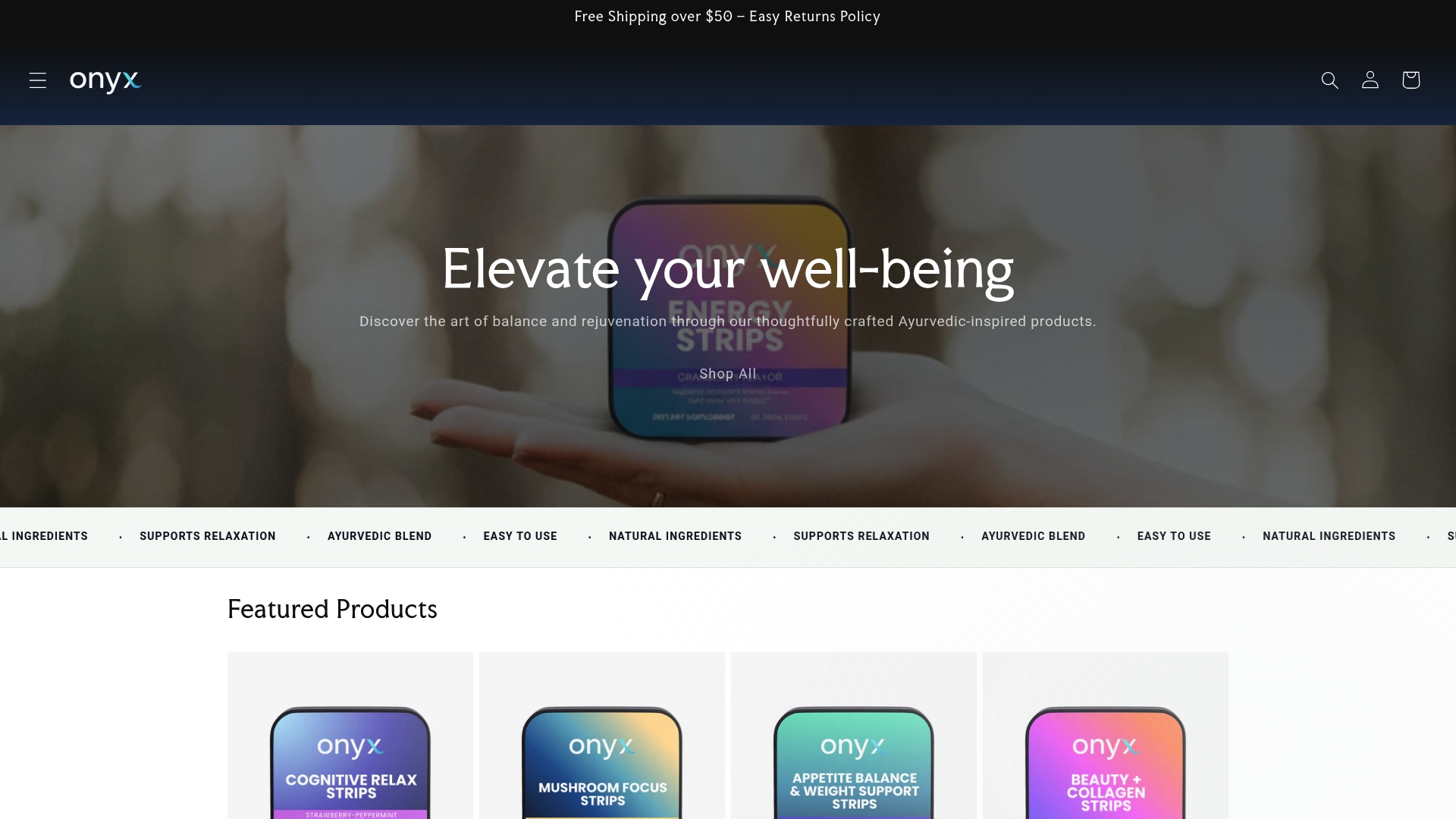
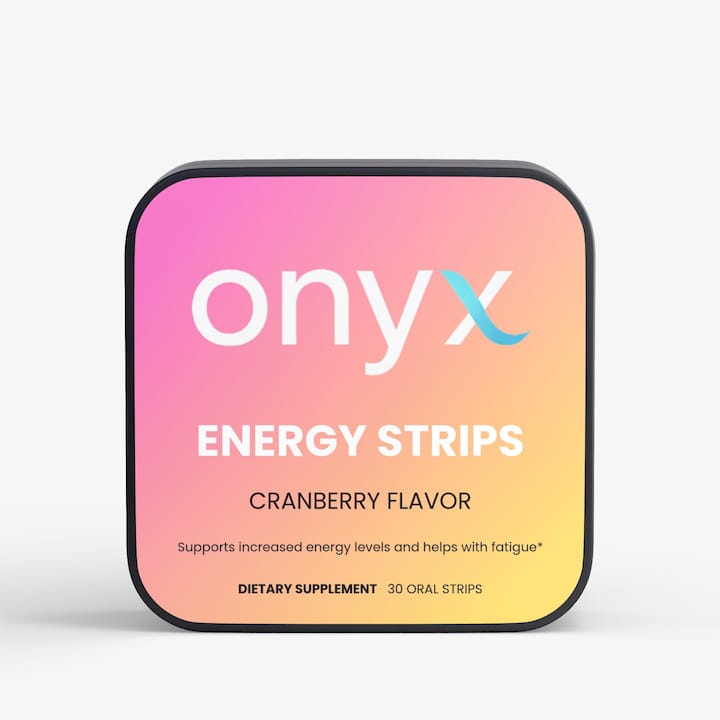
Onyxwellness offers a range of Ayurvedic-inspired dissolvable strips designed for fast absorption without water, which makes them easy to fit into the morning or evening routines described in this article. The Sleep Strips are a practical evening wind-down option for anyone working on sleep hygiene. The Digestive + Gut Health Strips support the gut-brain axis, which plays a real role in inflammation and cognitive function. The Probiotic + Metabolism Strips complement microbiome health for longer-term clarity support. For focus specifically, the mushroom and cognitive blend strips align with the evidence on mushroom-based nootropics covered earlier.
One important note: supplements complement a solid lifestyle plan — they do not replace it, and they do not substitute for medical evaluation if you suspect a deficiency. Run your labs first, then consider targeted support. Browse the full Onyxwellness collection to find the strips that match where you are in your plan.
Sources
- Tips to improve concentration - Harvard Health
- PMC peer-reviewed article
- How to Think Clearly Again: Natural Ways to Get Rid of Brain Fog - UnityPoint
FAQ
What naturally clears brain fog the fastest?
Drinking 400–500 ml of water and taking a 10-minute brisk walk are the two fastest natural interventions — many people notice clearer thinking within hours of correcting mild dehydration and moving their bodies.
How do you train your brain to stay focused longer?
The focused-reading exercise (three 10-minute reading blocks with brief recall pauses) and daily breath-counting practice both build sustained attention over one to two weeks; cognitive training studies show improvements in sustained attention are achievable with consistent practice.
How long does it take to improve mental clarity naturally?
Hydration and a short walk can shift alertness within hours. Sleep and exercise gains build over days to weeks. Dietary changes and targeted supplementation (after confirming a deficiency) typically take four to eight weeks to produce noticeable cognitive improvements.
When should brain fog prompt a doctor’s visit?
Seek medical attention promptly if fog is sudden, worsening, or accompanied by focal neurological signs, significant functional decline, or unexplained weight loss — these go beyond lifestyle fixes and warrant baseline labs and clinical evaluation.
Can Onyxwellness strips support mental clarity?
Onyxwellness Sleep Strips and Digestive + Gut Health Strips are designed to complement the sleep and gut-brain habits described in this article; they work best as part of a consistent lifestyle plan, not as a standalone fix.