


TL;DR:
- Herbal supplements like Ginkgo biloba, Bacopa monnieri, and Lion’s Mane support cognitive function through blood flow, neurotransmitter activity, and nerve growth.
- Consistency in daily use over weeks is essential for seeing mental clarity benefits, and pairing herbs targeting different mechanisms enhances results.
Herbal supplements for mental clarity are natural plant-based compounds that support cognitive function by improving cerebral blood flow, reducing stress hormones, and enhancing neurotransmitter activity. The most studied options include Ginkgo biloba, Bacopa monnieri, Ashwagandha, and Lion’s Mane mushroom, each working through distinct biological pathways. Clinical studies examine standardized doses for cognitive flexibility and stress resilience, confirming that consistent use matters as much as the herb itself. This herbal supplements for clarity list covers what actually works, how each herb functions, and how to build a routine that fits your life.
The herbal supplements for clarity list: top picks ranked
The most effective natural clarity supplements target at least one of three core mechanisms: blood flow, stress reduction, or neurotransmitter support. No single herb does all three equally well, which is why understanding each one individually helps you build a smarter routine. Here are the top herbal brain boosters supported by research.
1. Ginkgo biloba
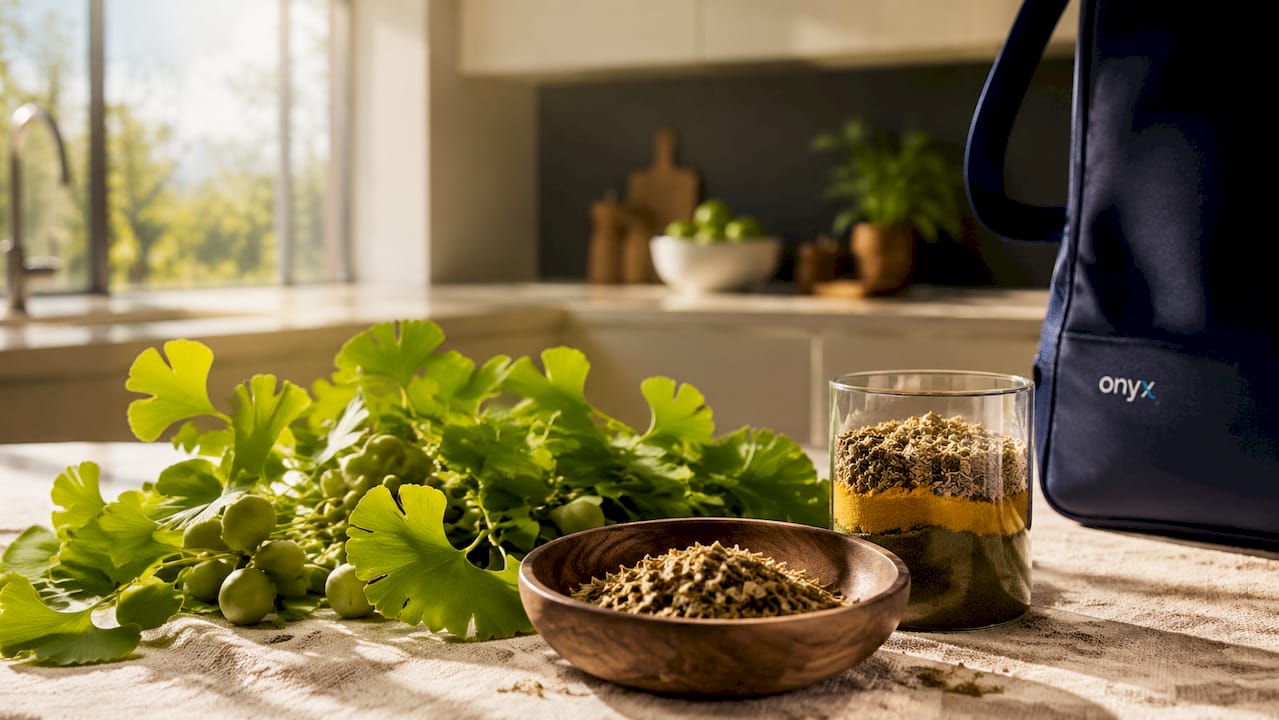
Ginkgo biloba is the most widely studied herb for cognitive support. It improves cerebral blood flow, delivering more oxygen and glucose to brain cells. The standard studied dose is 120mg of a standardized extract. Better circulation translates directly to sharper attention and faster recall.
2. Bacopa monnieri
Bacopa monnieri is an Ayurvedic herb that supports neurotransmitter balance, particularly acetylcholine pathways linked to memory formation. It works gradually, with most people noticing changes after 8–12 weeks of consistent use. Bacopa also reduces oxidative stress in neural tissue, protecting long-term brain health. It pairs well with Ginkgo for a broader cognitive effect.
3. Ashwagandha
Ashwagandha is a classic adaptogen that lowers cortisol, the stress hormone that clouds thinking and disrupts focus. Adaptogens like Ashwagandha promote mental resilience by regulating the body’s stress response rather than suppressing it. Clearer thinking often follows when chronic stress is brought under control. It is available as capsules, powders, and fast-absorbing strips.
4. Rhodiola rosea
Rhodiola rosea reduces mental fatigue, particularly during high-pressure periods. It works by modulating serotonin and dopamine levels, which directly affect mood and sustained attention. Athletes and professionals under heavy cognitive load report the most noticeable benefits. Rhodiola is best taken in the morning because of its mild stimulating effect.
5. Panax ginseng
Panax ginseng supports working memory and reaction time. It activates nitric oxide pathways, which relax blood vessels and improve circulation to the brain. Ginseng works well as a morning supplement because its energizing properties align with daytime cognitive demands. Standard extracts typically range from 200mg to 400mg per dose.
6. Lion’s Mane mushroom
Lion’s Mane is unique among herbal brain boosters because it promotes nerve growth factor, a protein that supports the growth and maintenance of neurons. This makes it particularly valuable for long-term cognitive health, not just short-term focus. Regular use supports memory consolidation and mental stamina. Onyxwellness offers Lion’s Mane in strip form for faster absorption without water.
7. Green tea extract (L-theanine and EGCG)
Green tea extract delivers two active compounds: L-theanine, which promotes calm focus without sedation, and EGCG, a polyphenol that reduces neuroinflammation. The combination produces a state of alert relaxation that many people find ideal for sustained concentration. It is one of the most accessible natural clarity supplements, available in capsules and teas.
8. Huperzine A
Huperzine A is a compound derived from Chinese club moss that inhibits acetylcholinesterase, the enzyme that breaks down acetylcholine. Higher acetylcholine levels improve memory encoding and retrieval. It is potent at low doses, typically 50–200mcg, and cycles of use are often recommended to prevent tolerance.
Pro Tip: Herbal blends combining Bacopa, Ginkgo, and phosphatidylserine support multiple cognitive pathways simultaneously. If you want broader support without managing several separate supplements, a multi-ingredient formula may be the more practical choice.
How herbal supplements work to enhance cognitive clarity
Brain supplements work through varied mechanisms. There is no universal solution, and that is actually good news. It means you can target the specific gap in your cognitive performance rather than guessing.
Ginkgo biloba works by widening blood vessels and reducing platelet aggregation, which increases blood flow to the prefrontal cortex. That region governs decision-making, attention, and working memory. Green tea extract reduces nerve damage and inflammation through its antioxidant compounds, protecting neurons from the wear of daily stress. Bacopa and Huperzine A both raise acetylcholine availability, which strengthens the brain’s ability to encode new information and retrieve stored memories.
Adaptogens reduce stress hormones and promote mental resilience, which indirectly clears the cognitive fog that chronic stress creates. Ashwagandha and Rhodiola work at the hormonal level, not the neurotransmitter level, which is why they complement rather than duplicate the effects of Bacopa or Ginkgo. Clarity is cultivated by layering adaptogens for stability and memory herbs for focus, creating an adaptable mental toolkit.
Pro Tip: Consistency matters more than dose size. Most oral herbal supplements require weeks of daily use before their effects become measurable. Treat them like a fitness routine, not a one-time fix.
How to safely incorporate herbal supplements into your routine
Safe and effective use of natural clarity supplements follows a simple principle: start with one or two herbs, observe the effects, and build from there. Consulting a healthcare provider before combining supplements with prescription medications is non-negotiable, since some herbs affect drug metabolism.
A practical starting routine looks like this:
- Choose one primary herb based on your main cognitive need. Stress-driven fog responds well to Ashwagandha. Memory gaps respond better to Bacopa or Lion’s Mane.
- Set a consistent time for each supplement. Stimulating herbs like ginseng work best in the morning. Calming herbs like Bacopa fit better in the afternoon or evening.
- Track your response for at least four weeks before adding a second herb. Changes in mental clarity are subtle and easy to miss without a simple daily log.
- Add a second herb only after confirming the first is well tolerated. Layering too quickly makes it impossible to identify what is helping or causing side effects.
- Review with a professional every few months, especially if you are managing a health condition or taking medications.
For immediate, short-term focus, peppermint and rosemary aromatherapy provide a quick cognitive lift. These aromatic herbs work through inhalation, not digestion, so their effects are fast but brief. They complement oral supplements well during high-demand moments like presentations or study sessions.
Pro Tip: Check supplement safety guidelines from a trusted pharmacy resource before combining herbs. The supplement safety tips from Mybestpharmacy.net offer clear, practical guidance on avoiding interactions and choosing quality products.
For a deeper look at building a full herbal routine, the step-by-step herbal supplement guide from Onyxwellness walks through the process from selection to daily integration.
Lesser-known and budget-friendly herbs for mental clarity
Not every effective herb carries a premium price tag. Budget-friendly herbs like sage, lemon balm, and ginger provide real cognitive support, though their effects are milder than standardized extracts of Ginkgo or Bacopa.
Sage contains compounds that inhibit acetylcholinesterase, similar in mechanism to Huperzine A. It is widely available as a tea or dried herb and has a long history in traditional European herbalism for memory support. Lemon balm reduces anxiety and promotes calm focus, making it useful for people whose mental fog is driven by nervousness rather than fatigue. Ginger improves circulation and reduces neuroinflammation, offering a gentle daily cognitive tonic. Holy basil (Tulsi) is an Ayurvedic adaptogen that lowers cortisol and supports mood stability, similar to Ashwagandha but at a lower cost.
Key considerations for budget herbs:
- They work best as teas or simple single-ingredient capsules, which keeps costs low.
- Their effects are cumulative and mild. Expect support, not transformation.
- Combining herbal teas with a primary supplement like Lion’s Mane creates a layered approach without a large investment.
- Quality varies significantly between brands. Look for products that list the plant part used and extraction method.
These herbs are a practical entry point if you are new to herbal remedies for concentration or want to supplement a primary regimen affordably. The Ayurvedic mental clarity tips guide from Onyxwellness covers several of these traditional herbs in greater depth.
Key Takeaways
The most effective herbal supplements for mental clarity work through specific biological mechanisms, and combining them strategically produces better results than relying on any single herb.
| Point | Details |
|---|---|
| Match herb to mechanism | Choose Ginkgo for blood flow, Bacopa for memory, Ashwagandha for stress-driven fog. |
| Consistency is the key variable | Most oral supplements require 8–12 weeks of daily use before effects are measurable. |
| Time your supplements wisely | Take stimulating herbs like ginseng in the morning and calming herbs like Bacopa later in the day. |
| Budget herbs still work | Sage, lemon balm, and ginger offer real cognitive support at low cost, especially as teas. |
| Layering beats single herbs | Multi-ingredient formulas targeting blood flow, neurotransmitters, and stress cover more cognitive ground. |
What I have learned from building a clarity routine with herbs
The biggest mistake I see people make is treating herbal supplements like light switches. They take Ashwagandha for three days, feel nothing dramatic, and move on. Mental clarity from herbs is more like turning up a dimmer. The change is real, but it is gradual and easy to dismiss if you are not paying attention.
What actually works, in my experience, is pairing an adaptogen with a memory herb and giving the combination at least six weeks. Ashwagandha handles the background noise of stress. Bacopa or Lion’s Mane handles the foreground work of focus and recall. Together, they address two different problems that both show up as “brain fog.”
The other thing worth saying plainly: herbs are not a substitute for sleep, movement, or a reasonable diet. I have seen people stack five supplements and still feel foggy because they are sleeping five hours a night. The herbs work better when the basics are in place. Think of them as a multiplier, not a replacement. If you want to understand how functional mushrooms support focus specifically, that is a good place to dig deeper into the neuroscience behind Lion’s Mane and its peers.
Personalization matters more than any list. Your stress load, sleep quality, and cognitive demands are different from everyone else’s. Start simple, stay consistent, and adjust based on what you actually notice.
— Chris
Natural focus support from Onyxwellness
Onyxwellness brings together Ayurvedic tradition and modern delivery technology for people who want real cognitive support without the guesswork of building a supplement stack from scratch.
The Mushroom Focus Strips deliver Lion’s Mane and complementary mushroom extracts in a dissolvable strip format that absorbs faster than capsules. For a daily gummy option, the Mushroom Extract Complex Gummies combine functional mushrooms to support memory and sustained focus. If stress-driven fog is your main challenge, the Cognitive Relax Strips offer herbal support for mental calm and clarity in one convenient format. All products are sugar-free and designed for people who want clean, plant-based cognitive support that fits into a real daily routine.
FAQ
What is the best herbal supplement for mental clarity?
Ginkgo biloba and Bacopa monnieri are the most researched herbs for mental clarity, with Ginkgo improving cerebral blood flow and Bacopa supporting neurotransmitter balance. The best choice depends on whether your fog is driven by poor circulation, stress, or memory gaps.
How long does it take for herbal supplements to improve focus?
Most oral herbal supplements require 8–12 weeks of consistent daily use before cognitive benefits become noticeable. Aromatic herbs like peppermint and rosemary provide immediate but short-lived focus support through inhalation.
Can you combine multiple herbal supplements for clarity?
Yes, combining herbs that work through different mechanisms, such as an adaptogen like Ashwagandha with a memory herb like Bacopa, produces broader cognitive support than using either alone. Start with one herb, confirm it is well tolerated, then add a second.
Are there affordable herbal options for cognitive support?
Sage, lemon balm, ginger, and holy basil all provide cognitive support at low cost, particularly when consumed as teas. Their effects are milder than standardized extracts but meaningful when used consistently over time.
Is Lion’s Mane mushroom a good supplement for focus?
Lion’s Mane promotes nerve growth factor, which supports neuron maintenance and memory consolidation, making it one of the most effective natural supplements for long-term cognitive health and focus.