


TL;DR:
- Herbal blends combine multiple herbs to create synergistic effects for various health goals, such as relaxation, energy, or digestion.
- The 70/20/10 ratio provides a practical framework for building balanced blends based on purpose and flavor.
Herbal blends are defined as intentional mixtures of two or more herbs formulated to produce a combined health effect greater than any single herb alone. This principle, known as synergy, is the scientific foundation behind both Traditional Chinese Medicine (TCM) and Ayurveda, two systems that have used targeted herbal combinations for thousands of years. Modern research backs this up: polyherbal formulations leverage network pharmacology to address multiple biological pathways at once, making them more effective for complex conditions than single-herb approaches. Whether you want better sleep, sharper focus, or a calmer gut, the right blend targets your goal with precision.
1. Examples of herbal blends for relaxation and sleep
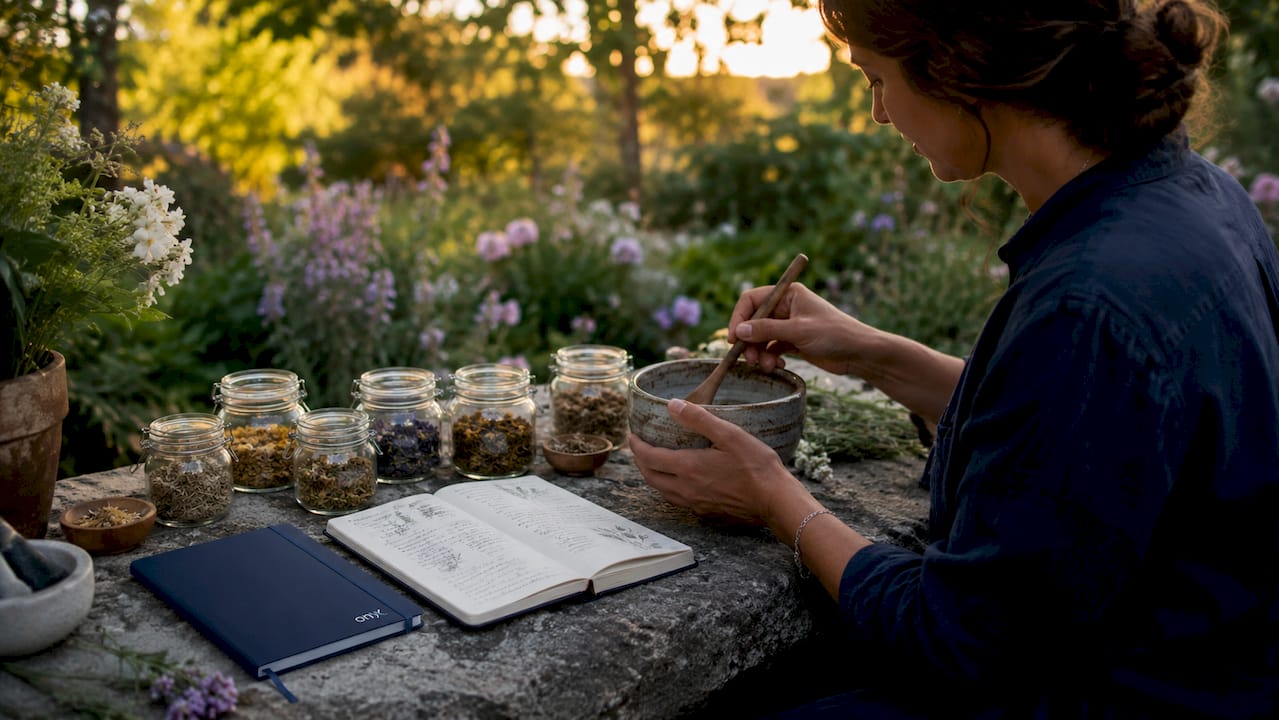
Relaxation blends are the most widely used category of herbal tea mixtures, and for good reason. Chamomile, lemon balm, and lavender work together through flavonoids and essential oils to promote sleep and emotional calm, a combination validated by both traditional use and emerging clinical research.
A popular formulation called “Sweet Dreams” uses this trio in a structured ratio:
- Chamomile (70%) acts as the calming base, reducing nervous tension
- Lemon balm (20%) supports mood and eases mental restlessness
- Lavender (10%) adds a floral accent that deepens the sedative effect
The ratio matters. Too much lavender overpowers the blend and can cause headaches in sensitive people. The 70/20/10 structure keeps each herb in its functional lane.
Pro Tip: Steep your relaxation blend for 5–7 minutes in water just below boiling (around 200°F). Covering the cup while steeping traps the volatile essential oils that carry most of the calming benefit.
For people who want relaxation support beyond tea, stress relief alternatives like dissolvable strips offer a faster delivery method without brewing.
2. Herbal blends for energy and mental clarity
Energy blends work differently from relaxation blends. They use stimulating and adaptogenic herbs to support sustained focus without the crash that comes from caffeine alone.
Common herbs in this category include:
- Green tea provides a moderate caffeine base with L-theanine for calm alertness
- Ginseng supports stamina and cognitive performance through ginsenosides
- Lemongrass adds a bright, citrus note while supporting circulation
- Peppermint sharpens mental alertness through menthol’s effect on the nervous system
Adaptogens like ashwagandha and lion’s mane fit naturally into energy blends because they reduce stress-related fatigue rather than simply stimulating the nervous system. Functional mushrooms like lion’s mane are now well-documented for cognitive support, making them a strong accent herb in any focus-oriented blend.
A practical morning blend might combine rooibos as a caffeine-free base (70%), ginger for circulation (20%), and peppermint as an accent (10%). This gives you warmth, clarity, and digestive support in one cup.
3. Herbal blends for digestive health and gut support
Digestive blends are among the best-studied herbal formulations. Peppermint, fennel, and ginger soothe the digestive tract, reduce bloating, and support enzyme function when combined in the right proportions.
A classic formulation called “Settle” follows this structure:
- Peppermint (70%) relaxes smooth muscle in the gut and reduces cramping
- Fennel (20%) breaks down gas and supports motility
- Ginger (10%) stimulates digestive enzymes and reduces nausea
Traditional Ayurvedic formulas often add licorice root as a harmonizing herb. Licorice reduces irritation and smooths out the sharper effects of other herbs in multi-herb blends. This makes it a smart addition when your blend includes strong herbs like ginger or fennel.
Pro Tip: Root-based herbs like ginger and licorice need longer steeping times than leaves. Roots steep best for 7–10 minutes, while leaves like peppermint only need 3–5 minutes. When blending both, steep the roots first, then add the leaves for the final few minutes.
4. Herbal blends for immune and respiratory support
Immune-support blends draw heavily from both TCM and Western herbalism. Echinacea and elderflower are the most recognized herbs in this category, valued for their antioxidant and immune-modulating properties that reduce inflammation and support the body’s natural defenses.
TCM formulas add a layer of specificity that Western blends often miss. The “Ultimate Cooling Elixir,” a traditional Chinese herbal tea, combines honeysuckle, chrysanthemum, and self-heal spike to manage stress-induced irritability, sore throats, and heat-related symptoms. Each herb plays a distinct role: honeysuckle clears heat, chrysanthemum soothes the eyes and head, and self-heal spike targets throat inflammation.
Practical immune blend components include:
- Echinacea for immune activation during cold and flu season
- Elderflower for antioxidant support and mild respiratory relief
- Chrysanthemum for cooling and anti-inflammatory effects
- Honeysuckle for antibacterial and antiviral properties
Mucilage-forming plants like marshmallow root also belong in respiratory blends. They coat and soothe irritated airways, making them especially useful in blends designed for dry coughs or throat discomfort.
5. Herbal blends for stress and emotional balance
Stress blends occupy a different space than sleep blends. Where sleep blends sedate, stress blends regulate. The goal is emotional steadiness throughout the day, not drowsiness.
Ashwagandha is the anchor herb in most stress-regulation blends. As a Rasayana herb in Ayurveda, it reduces cortisol levels and supports adrenal function over time. It pairs well with holy basil (tulsi), which calms the nervous system and supports mental clarity without sedation.
A balanced stress blend might look like this: ashwagandha as the base (70%), tulsi as the supporting herb (20%), and rose petals as the accent (10%). Rose adds a gentle mood-lifting quality and makes the blend more pleasant to drink daily. Consistency matters more than dosage here. Functional herbal blends work best as daily wellness practices, not as one-off remedies taken only during a crisis.
6. Herbal blends for beauty and skin support
Beauty blends are a growing category in the herbal tea world, and they work from the inside out. Collagen-supporting herbs and antioxidant-rich plants address skin health at the cellular level rather than topically.
Hibiscus is the standout herb here. It contains high levels of vitamin C and anthocyanins, both of which support collagen synthesis and protect against oxidative stress. Paired with rose hips (another vitamin C powerhouse) and nettle (which provides silica for skin elasticity), hibiscus forms a strong beauty blend base.
Spearmint is worth noting for people dealing with hormonal skin concerns. Research links spearmint tea to reduced androgen levels, which can decrease acne in people with hormonal imbalances. Adding it as an accent herb (10%) in a hibiscus-rose hip blend gives you both antioxidant and hormonal support in one cup.
7. How to structure your own balanced herbal blends: 70/20/10 method
The 70/20/10 method is the most practical framework for building effective herbal blends at home. It divides every blend into three roles: base, supporting herb, and accent.
| Role | Percentage | Purpose | Example herbs |
|---|---|---|---|
| Base | 70% | Sets the flavor and primary function | Chamomile, rooibos, peppermint |
| Supporting | 20% | Enhances or complements the base | Lemon balm, hibiscus, fennel |
| Accent | 10% | Adds aroma, potency, or flavor depth | Lavender, cardamom, ginger |
The base herb carries the blend. It should be mild enough to drink daily and strong enough to deliver the primary benefit. Rooibos works well as a caffeine-free base for energy blends because it has a naturally sweet, full-bodied flavor. Chamomile anchors relaxation blends for the same reason.
One of the most underused blending techniques is synergy enhancement through bioavailability. Black pepper boosts curcumin absorption by up to 2,000% when combined with turmeric. That is not a small effect. Adding just a pinch of black pepper to a turmeric-based blend dramatically increases what your body actually absorbs from the turmeric.
“The art of blending balances flavor and function. Thoughtful ratios and ingredient hierarchy prevent weak or overpowering results. A blend that tastes unpleasant will not be used consistently, and consistency is where the real benefit lives.”
Building your own blend also lets you adjust for personal tolerance. Some people find licorice root too sweet; others need it to soften a strong ginger base. Start with the 70/20/10 ratio, taste the blend dry before brewing, and adjust the accent herb first since it has the most concentrated flavor impact.
Key takeaways
Herbal blends work because combining complementary herbs creates synergistic effects that no single herb can replicate alone, making targeted formulations the most effective approach to natural wellness.
| Point | Details |
|---|---|
| Synergy drives effectiveness | Polyherbal formulations address multiple pathways at once, outperforming single-herb approaches. |
| Use the 70/20/10 ratio | Structure every blend with a base (70%), supporting herb (20%), and accent (10%) for balance. |
| Match the blend to the goal | Relaxation, energy, digestion, and immunity each require different herb combinations. |
| Steeping time affects potency | Roots need 7–10 minutes; leaves need 3–5 minutes for proper extraction. |
| Consistency beats intensity | Daily use of functional blends delivers more benefit than occasional high-dose use. |
Why I think most people are using herbal blends wrong
Most people treat herbal blends like aspirin. They reach for a calming tea when they are already in a panic, drink one cup, and wonder why it did not work. That is not how these plants operate.
What I have found, both personally and from following the research closely, is that herbal blends reward ritual. The people who get the most from chamomile and lemon balm are the ones drinking it every evening at 9 PM, not the ones who brew a cup at midnight when they cannot sleep. The herb is the same. The timing and consistency are what change the outcome.
The blending principle also matters more than most guides admit. A poorly structured blend, where the accent herb dominates or the base is too weak, will either taste unpleasant or underdeliver. The 70/20/10 framework is not just a recipe suggestion. It reflects how traditional herbalists thought about ingredient hierarchy for centuries.
My honest recommendation: pick one goal, build or buy one blend designed for that goal, and use it daily for at least three weeks before judging the results. Herbal wellness is a slow, steady path. It is not a shortcut, but it is a reliable one.
— Chris
Onyxwellness products that work alongside your herbal blends
If you are already building a relaxation or digestive herbal routine, Onyxwellness offers a practical way to extend those benefits without adding another cup to your day.

The Sleep Strips from Onyxwellness are sugar-free, dissolvable strips designed for fast absorption, making them a natural companion to an evening chamomile blend. For digestive support, the Digestive + Gut Health Strips complement peppermint and fennel-based blends by delivering targeted gut support in seconds. Both products draw on Ayurvedic ingredient principles and are built for people who want real results from natural sources, without the prep time.
FAQ
What are the most common examples of herbal blends?
The most common herbal blends target relaxation (chamomile, lemon balm, lavender), digestion (peppermint, fennel, ginger), and immune support (echinacea, elderflower, honeysuckle). Each blend combines herbs with complementary functions for a stronger combined effect.
Why use herbal blends instead of single herbs?
Herbal blends produce synergistic effects that single herbs cannot. Polyherbal formulations address multiple biological pathways at once, making them more effective for complex or ongoing wellness goals.
How do I build my own herbal blend at home?
Use the 70/20/10 ratio: 70% base herb for primary function, 20% supporting herb to enhance the base, and 10% accent herb for flavor or potency. Chamomile, rooibos, and peppermint are reliable base herbs for beginners.
Does steeping time affect how well herbal blends work?
Yes. Root-based herbs like ginger and licorice need 7–10 minutes to release their active compounds. Leaf-based herbs like peppermint and lemon balm only need 3–5 minutes. Blends with both require a staggered steeping approach.
Are herbal blends safe to use every day?
Most well-formulated herbal blends are safe for daily use when made from recognized culinary and wellness herbs. Traditional harmonizing herbs like licorice are often included in multi-herb blends to reduce irritation and improve tolerability over time.