


Electrolytes after drinking help with the dehydration piece of a hangover: the thirst, the dizziness, the headache that comes from fluid loss. They do not speed up how your liver clears alcohol, and they will not neutralize the inflammatory chemistry behind a genuine hangover. Drink an electrolyte solution before bed and again in the morning, keep the volume moderate, and pair it with food and sleep. That’s the honest verdict. The details on why, and exactly how to do it, follow below.
TL;DR:
- Electrolytes help alleviate dehydration symptoms like thirst and dizziness but do not speed up alcohol metabolism or reduce overall hangover severity.
- Drinking electrolyte solutions before bed and in the morning supports fluid and salt balance but should be paired with food and rest for effective recovery.
- Alcohol’s diuretic effect causes sodium, potassium, and magnesium loss, which can contribute to fatigue, muscle cramps, and low energy the next day.
- Be cautious with supplementing electrolytes if you have kidney, heart, or electrolyte-related health conditions, and seek medical help for severe dehydration or irregular heartbeat.
- Homemade electrolyte drinks can work as backup, but commercial products provide more precise and consistent electrolyte ratios for reliable rehydration.
Table of Contents
- What the Research and Clinical Guidance Actually Say
- Why Alcohol Throws Off Your Fluid and Electrolyte Balance
- How to Use Electrolytes After Drinking: Timing, Choices, and Dosing
- When Electrolytes Can Backfire: Warning Signs and When to Get Help
- Homemade Electrolyte Solutions vs. Commercial Products
- What to Eat and Drink to Rebuild Your Electrolyte Levels
- What Happens With Repeated Electrolyte Imbalances From Drinking
- How to Tell If It’s an Electrolyte Imbalance, Not Just a Hangover
- How Onyx Wellness’s Creatine Hydration Powder Fits Into Recovery
- An Honest Read on the Electrolyte Hype
- Sources
- FAQ
What the Research and Clinical Guidance Actually Say
The NIAAA has not found a direct correlation between how much electrolyte disruption someone experiences and how bad their hangover feels. That single fact undercuts a lot of the marketing you’ve probably seen. Electrolyte products can ease dehydration, but they don’t make your body process alcohol any faster, and speed of metabolism is what actually determines how long a hangover lingers.
That doesn’t mean electrolytes are useless. It means they’re solving a different problem than the one most people think they’re solving.
Here’s where the clinical consensus lands:
- The NIAAA confirms no strong evidence links electrolyte intake to reduced hangover severity, and electrolytes don’t accelerate alcohol clearance.
- MedlinePlus recommends electrolyte solutions and broth specifically to replace the salt and potassium your body loses through alcohol-driven urination.
- Cleveland Clinic points to alcohol’s diuretic effect as the reason fluids, including electrolyte beverages, relieve dehydration-related symptoms like headache and lightheadedness.
- A 2026 randomized crossover trial in Frontiers in Pharmacology found that drinking water during alcohol consumption didn’t meaningfully change ethanol or acetaldehyde levels, nor did it reliably prevent hangover symptoms, though participants showed small, non-significant improvements in psychomotor tests.
That trial matters because it’s recent and it’s the kind of study that tends to get flattened into a headline that says “water cures hangovers.” It doesn’t say that. It says timing your water intake during drinking has limited measurable effect on the biochemistry that actually drives hangover symptoms.
The practical implication: use electrolytes to treat the symptoms of dehydration, thirst, dry mouth, dizziness, low energy, but don’t expect them to touch the inflammatory and toxic byproducts (acetaldehyde buildup, cytokine responses, oxidative stress) that create the deeper misery of a hangover. Those two problems overlap in timing but not in cause, which is exactly why a hangover can feel “cured” of thirst while everything else still feels terrible.
Why Alcohol Throws Off Your Fluid and Electrolyte Balance
Alcohol suppresses vasopressin, the hormone your kidneys rely on to hold onto water. With less vasopressin circulating, your kidneys let more water pass straight through, which is why a few drinks can send you to the bathroom far more often than the fluid volume you actually drank would suggest. You lose more water than you take in, and salts go with it.
That fluid loss also shifts your renin-angiotensin-aldosterone system (RAAS), the network that regulates sodium and potassium balance. Clinical overviews of fluid and electrolyte balance describe how this cascade can produce measurable, short-term drops in sodium and potassium after heavy drinking. Magnesium tends to follow the same pattern, and low magnesium is a common contributor to the muscle cramps, twitching, and flat, drained feeling people report the morning after.
A few things worth knowing about the electrolytes themselves:
- Sodium loss drives thirst, headache, and lightheadedness, the symptoms most people associate with a hangover but that are really just dehydration.
- Potassium loss contributes to muscle weakness and fatigue, and it’s harder to replace through food alone if you’re nauseated.
- Magnesium depletion is linked to cramping and can worsen headache intensity.
None of this touches the part of a hangover that isn’t about fluid. Acetaldehyde, the toxic compound your liver produces while breaking down ethanol, along with the inflammatory cytokine response your immune system mounts, are chemically unrelated to your sodium or potassium levels. A review comparing dehydration and hangover mechanisms found these are overlapping but distinct processes. Dehydration resolves relatively fast once you rehydrate. The inflammatory hangover symptoms, brain fog, nausea, sensitivity to light, tend to outlast it.
How to Use Electrolytes After Drinking: Timing, Choices, and Dosing
Two windows matter more than any other: before bed and the morning after. Your body spends hours in a fluid deficit while you sleep, since you’re obviously not drinking anything during that stretch. A measured electrolyte drink before you turn in reduces the time your body spends running on empty overnight, even though it won’t change the pace at which alcohol clears your system.
Here’s a practical sequence to follow:
- Before bed: Drink a glass of water with an electrolyte mix, or a low-sugar sports drink, alongside a small salty snack if your stomach tolerates it.
- Overnight, if you wake up: Take a few more sips rather than gulping a full glass, especially if you feel nauseated.
- Morning after: Rehydrate again with an oral rehydration solution, coconut water, or broth, and pair it with a light meal.
- Repeat through the day: Sip smaller amounts every 20 to 30 minutes rather than trying to fix everything with one large drink.
On drink choices, each has trade-offs. Oral rehydration solutions (ORS) are formulated specifically for sodium and potassium replacement and tend to work fastest for genuine dehydration. Low-sugar sports drinks offer similar electrolytes with added carbohydrates, useful if you also need a small energy boost, though some contain more sugar than you’d want on a queasy stomach. Coconut water carries potassium generously but lower sodium, so it’s a weaker standalone option if you’ve been sweating or vomiting heavily. Broth delivers sodium efficiently and is often the easiest thing to tolerate when nausea makes drinking anything else unappealing, a point MedlinePlus makes directly.
On pacing: sip 250 to 500 milliliters over 20 to 30 minutes, then reassess. Gulping a large volume fast can actually trigger more urination and undercut the point of rehydrating in the first place. If you’re curious about when electrolytes genuinely outperform plain water, the physiology behind sweat-driven electrolyte loss explains the mechanism in more detail.
Pro Tip: Pair your electrolyte drink with something salty and carb-based, crackers, toast, or a handful of pretzels. The sodium supports absorption, and the carbohydrates help stabilize blood sugar, which alcohol tends to suppress overnight.
If you take diuretics, have kidney disease, heart disease, or are pregnant, or if you’re on medication that affects potassium or sodium levels, talk to a clinician before using concentrated electrolyte products regularly. What’s a helpful nudge for most people can be a genuine risk for someone managing a chronic condition.
When Electrolytes Can Backfire: Warning Signs and When to Get Help
To overdo electrolyte correction carries its own risks. Hypernatremia (too much sodium) and hyperkalemia (too much potassium) are real, if uncommon, outcomes of aggressive supplementation, particularly in people with impaired kidney function. Medication interactions raise the stakes further: ACE inhibitors, ARBs, and potassium-sparing diuretics can all push potassium levels higher than they should go when combined with concentrated electrolyte products, a caution MedlinePlus flags directly.
Get medical attention if you or someone you’re with experiences any of the following:
- Severe, repeated vomiting that makes it impossible to keep any fluids down
- Fainting or near-fainting
- Chest pain or an irregular heartbeat
- Severe confusion or disorientation beyond typical grogginess
- Seizures
These aren’t hangover symptoms you sip your way out of. Persistent inability to hold down fluids, altered mental status, or visible signs of severe dehydration (sunken eyes, minimal urination, extreme lethargy) warrant an emergency room visit, not another glass of sports drink. IV fluids and clinical evaluation exist for exactly this scenario.
Homemade Electrolyte Solutions vs. Commercial Products
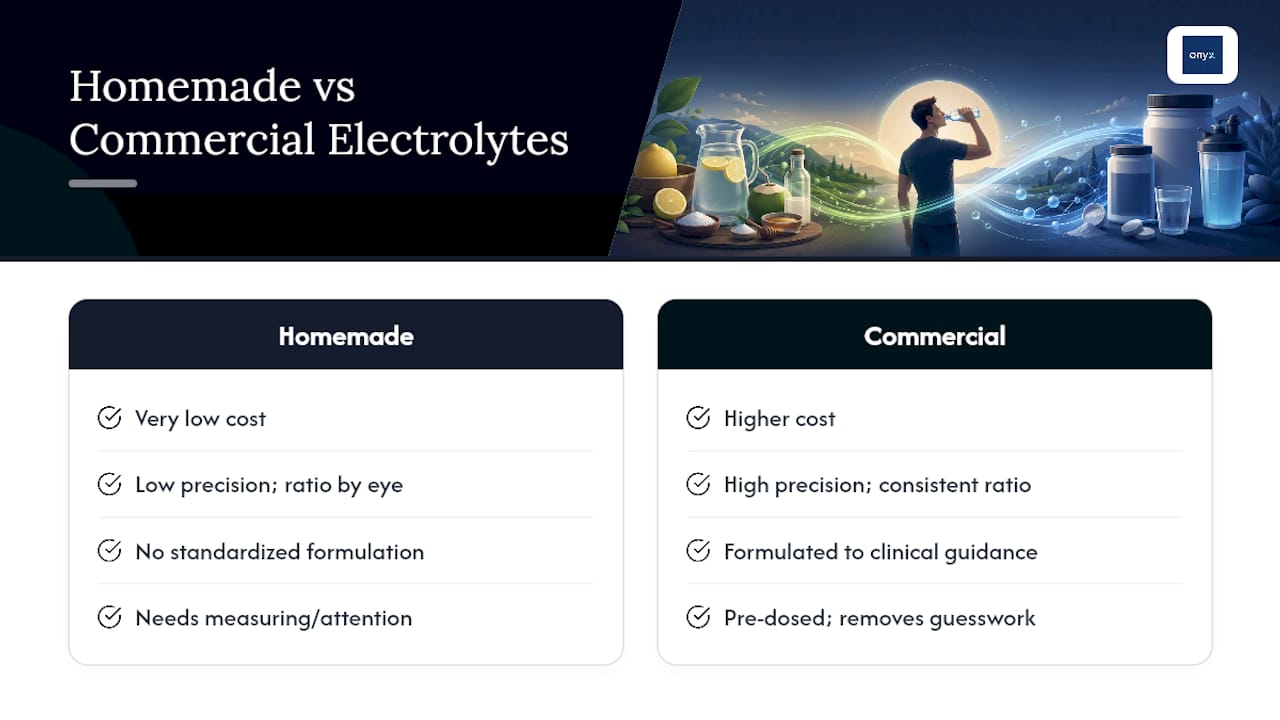
A homemade mix, water, salt, a pinch of potassium-rich juice, and a bit of sugar, can work reasonably well in a pinch, and it costs almost nothing. The tradeoff is precision. Getting the sodium-to-potassium-to-glucose ratio right by eye is harder than it sounds, and too much salt or too little can leave you undershooting or overshooting what your body actually needs.
Commercial oral rehydration solutions and electrolyte powders solve that precision problem by formulating to a consistent ratio every time, one that clinical guidance from MedlinePlus supports for effective absorption. That consistency matters more than it sounds like it should, because electrolyte transport across your gut lining depends on a specific balance of sodium, potassium, and glucose working together, not just “more electrolytes.”
Commercial products also tend to be more convenient when you’re not in a state to measure anything carefully, which, if we’re being honest, describes most hangover mornings. A pre-dosed powder or strip removes the guesswork entirely. The downside is cost and, occasionally, added sugar or artificial flavoring in products that aren’t formulated thoughtfully. Reading the label matters here: a good electrolyte product should list sodium and potassium content clearly, not bury them behind vague “electrolyte blend” language.
For most people, the homemade route is fine as a backup, but a well-formulated commercial product is the more reliable choice when you actually want predictable results.
What to Eat and Drink to Rebuild Your Electrolyte Levels
Food does real work here that liquids alone can’t replicate. Bananas and potatoes are reliable potassium sources. Pretzels, crackers, and broth-based soups replace sodium efficiently and tend to be gentle on a queasy stomach. Leafy greens and nuts offer magnesium, though they’re a harder sell the morning after when appetite is low.

The order matters almost as much as the choice. If nausea is severe, start with clear fluids and broth before attempting solid food. Once your stomach settles, a light meal combining carbohydrates and a little protein, toast with eggs, or oatmeal with a banana, supports both blood sugar stability and electrolyte replacement at the same time. Alcohol suppresses the liver’s ability to release stored glucose overnight, so a carbohydrate-inclusive breakfast is doing double duty: refueling energy and steadying blood sugar that dipped while you slept.
Caffeine is worth approaching carefully. It’s a mild diuretic itself, so leaning on coffee before you’ve rehydrated can work against the goal, even though the alertness boost feels appealing. Rehydrate first, then have your coffee. Whole foods, rather than supplements alone, remain the more sustainable way to rebuild electrolyte stores over the following day, especially if you’re also trying to restore appetite and normal digestion after a night of drinking.
What Happens With Repeated Electrolyte Imbalances From Drinking
An occasional night of dehydration and electrolyte loss is not a long-term problem for most healthy adults. The picture changes with frequency. Regular heavy drinking creates a repeated pattern of fluid loss, sodium and potassium depletion, and magnesium drain, and the body doesn’t always fully reset between episodes, particularly if rehydration is inconsistent.
Chronic, repeated electrolyte disruption from alcohol use has been linked in clinical literature to ongoing muscle weakness, persistent fatigue, and, in more severe or prolonged cases, cardiac rhythm disturbances tied to sustained low potassium or magnesium. Kidney function can also be affected over time, since kidneys are doing the work of constantly adjusting to alcohol-driven fluid shifts. None of this is meant to alarm someone who has the occasional weekend drink. It’s meant to draw a clear line between an isolated hangover and a pattern worth discussing with a doctor, particularly if you’re noticing recurring muscle cramps, irregular heartbeat sensations, or unusual fatigue that doesn’t track with how much you actually drank.
How to Tell If It’s an Electrolyte Imbalance, Not Just a Hangover
Some symptoms point specifically at electrolyte trouble rather than general hangover misery. Muscle cramps or twitching, especially in the legs, tend to signal low potassium or magnesium rather than the inflammatory side of a hangover. Persistent dizziness when standing up, more pronounced than a normal hangover headache, often points to low sodium and reduced blood volume from fluid loss.
Heart palpitations or a fluttering sensation in your chest deserve attention. That’s a signal worth taking seriously, especially if it’s paired with heavy sweating or a night of prolonged vomiting. Confusion beyond typical grogginess, or a headache that worsens rather than improves with hydration, can also indicate that your sodium or potassium has shifted more than a normal night of drinking would explain.
The distinguishing feature across all of these: they tend to improve, at least partially, with electrolyte and fluid replacement, whereas the nausea, light sensitivity, and brain fog of a classic hangover often persist regardless of how well hydrated you are. If cramping, dizziness, or palpitations don’t ease within a few hours of steady rehydration, that’s your cue to stop self-treating and check with a clinician.
How Onyx Wellness’s Creatine Hydration Powder Fits Into Recovery
Creatine Hydration Powder supplies electrolytes alongside creatine to support cellular hydration, the same cellular process your body relies on to move sodium and potassium where they’re needed after a night of drinking.
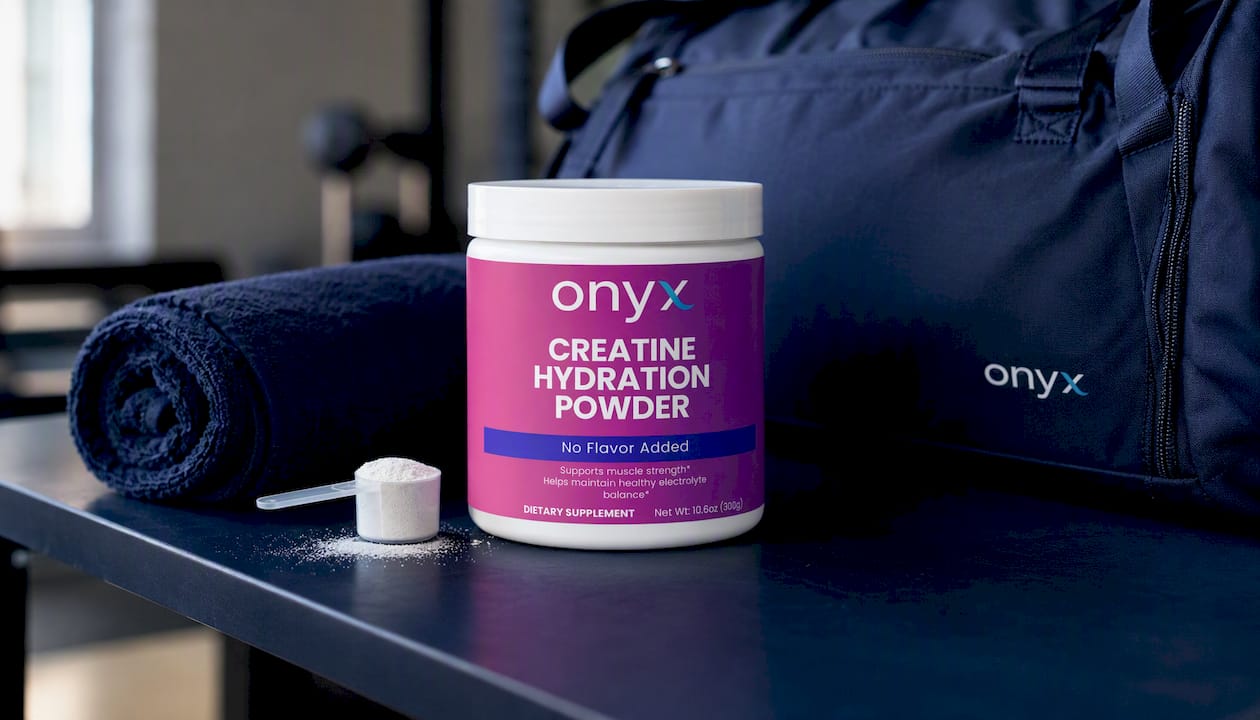
Using a creatine hydration powder in the hangover context can be straightforward: follow the label instructions, and consider mixing a serving before bed or first thing in the morning, alongside a full glass of water and a light meal. It fits naturally into the sipping approach covered earlier, small, steady amounts rather than one large dose.
We’ll be transparent about what it does and doesn’t do. It supports hydration-related symptoms, the thirst, the sluggishness, the mild headache tied to fluid loss. It does not speed up alcohol clearance, and it’s not a substitute for rest, sleep, and time, which remain the only real fixes for the inflammatory side of a hangover. If you want the fuller picture on pairing hydration with rest, our complete hangover recovery guide walks through the rest of the routine, and the full product lineup has other options if creatine isn’t your focus right now. Check the product page for current serving guidance and ingredient details before you buy.
An Honest Read on the Electrolyte Hype
The wellness industry has done a disservice by letting “electrolytes” become shorthand for a “hangover cure.” They’re not, and the research backs that up plainly. What electrolytes actually do is narrower and, frankly, more useful once you understand it correctly: they fix the fluid-and-salt side of a rough night, not the toxic byproduct side.
What gets underestimated is how much of a hangover’s misery, the fatigue, the mental fog, the general sense of being unwell, comes from that dehydration piece specifically. Even though electrolytes won’t touch acetaldehyde or the inflammatory cascade, correcting dehydration removes a meaningful layer of suffering. That’s not nothing. It’s just not everything the marketing implies.
The gap between promise and reality here isn’t really about electrolytes failing you. It’s about people expecting a supplement to substitute for what their liver needs, time. Use electrolytes for what they’re good at, be skeptical of anything promising to “flush out” alcohol faster, and treat sleep and hydration as the actual foundation of recovery.
— Chris
Sources
- Hangovers — NIAAA
- Hangover treatment: MedlinePlus Medical Encyclopedia
- Hangover: What It Is, Symptoms & How To Cure — Cleveland Clinic
- Water intake during drinking does not alleviate hangover symptoms — Frontiers in Pharmacology
FAQ
Is it good to drink electrolytes when you drink alcohol?
Yes, drinking electrolyte beverages alongside alcohol can help offset the fluid and salt loss caused by alcohol’s diuretic effect, though the Frontiers 2026 trial found it didn’t reliably prevent hangover symptoms overall.
How do you flush out a hangover?
You can’t truly “flush out” a hangover since it involves toxic byproducts and inflammation your liver has to process over time, but rehydrating with fluids and electrolytes, eating light food, and resting can ease the dehydration-related symptoms alongside it, according to Cleveland Clinic.
What is the best electrolyte to drink after drinking alcohol?
Oral rehydration solutions or broth tend to work best because they replace sodium and potassium efficiently, which MedlinePlus recommends specifically for alcohol-related fluid loss; a product like Onyx Wellness’s Creatine Hydration Powder offers a similar electrolyte-forward approach.
Do electrolytes help flush out alcohol?
No, electrolytes don’t speed up how quickly your body clears alcohol; the NIAAA confirms there’s no strong evidence linking electrolyte intake to faster alcohol metabolism or reduced hangover severity.