


If your workout runs under 90 minutes, plain water covers most people’s needs. Once you push past that mark, add high intensity, hot or humid conditions, or you’re simply a heavy or salty sweater, electrolyte timing before, during, and after your session starts to matter. Johns Hopkins and the NATA both frame hydration as a three-phase job, not a during-workout afterthought. A creatine hydration powder product fits neatly into that post-workout window.
TL;DR:
- Electrolyte intake is critical after 90 minutes of exercise, or in hot, humid, or heavy-sweat conditions, to prevent dehydration and imbalance.
- Pre-workout electrolytes are recommended only if you have less than 20 minutes before training or are exercising intensely; otherwise, plain water suffices.
- During prolonged sessions, sip 150 to 300 milliliters every 15 to 20 minutes with sodium scaled to sweat rate, avoiding large gulps to minimize stomach upset.
- Post-workout, pairing sodium with carbohydrates within the first hour enhances fluid retention and speeds rehydration, especially after long or intense sessions.
- Tracking sweat loss with scale measurements helps customize electrolyte intake and prevent over-supplementation that could lead to hyponatremia.
Table of Contents
- When Should You Take Electrolytes: Pre, During, or Post Workout?
- How Much Should You Drink and When?
- Should You Plan Electrolytes for This Workout?
- What About Illness, Fasting, or Multi-Session Training Days?
- Where Onyxwellness Fits Into Your Hydration Plan
- Post-Workout Recovery: Using Creatine Hydration Powder
- Sources
- FAQ
When Should You Take Electrolytes: Pre, During, or Post Workout?
The 90-minute mark is your dividing line. Below it, research on fluid replacement and exercise shows plain water handles hydration fine for most training sessions. Cross that threshold, or add heat, humidity, or heavy sweating to the mix, and electrolyte replenishment strategy becomes worth planning for, not improvising.
Pre-workout timing depends on how much lead time you have. For a larger volume of fluid, Johns Hopkins recommends drinking 16 to 24 ounces roughly two hours before activity. If you’re rolling out of bed for an early session with no time to spare, the NATA’s fluid replacement guidance suggests a smaller electrolyte dose 10 to 20 minutes before you start. A salted snack with your pre-workout meal works just as well as a dedicated drink if you’re eating two to three hours out.
During your workout, the sip schedule matters more than the total volume. For sessions longer than 60 to 90 minutes, or if you already know you’re a heavy or salty sweater, aim for:
- 150 to 300 milliliters every 15 to 20 minutes, based on guidance on water and electrolyte requirements during exercise
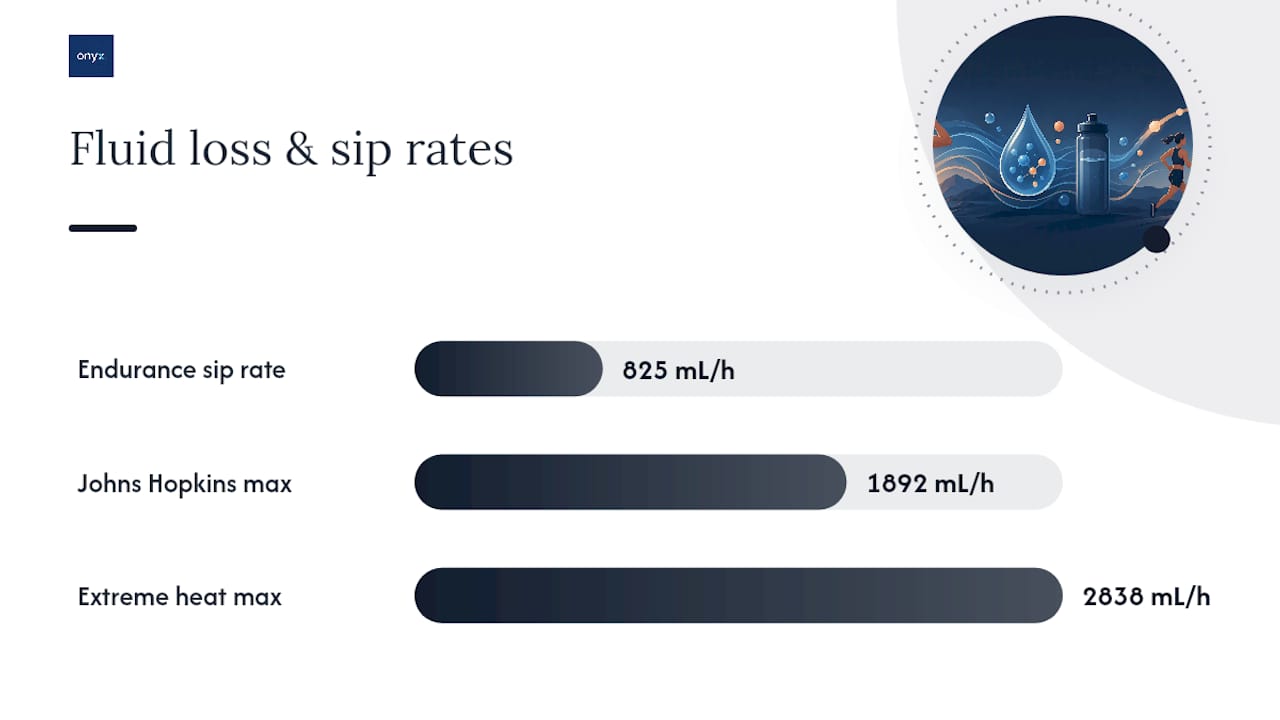
- Sodium intake scaled to your sweat rate, since typical adult sweat losses run 0.5 to 2 liters per hour
- Smaller, more frequent sips over large gulps, which reduces stomach upset during hard efforts
Post-workout is where a lot of people get it backwards. Chugging plain water after a long or intense session can actually increase urine output rather than restore fluid balance, according to research on fluid and electrolyte replacement after exercise. Pairing sodium with carbohydrate in that first 60 minutes speeds rehydration and helps your body hold onto the fluid instead of flushing it back out. This is the window where a well-timed electrolyte source, whether a drink, a strip, or a recovery powder, does the most work.
How Much Should You Drink and When?
The simplest way to personalize your electrolyte replenishment strategy is a bathroom scale. Weigh yourself right before and right after a workout. For every pound lost, you’ve shed roughly 16 ounces of fluid, and Johns Hopkins notes some athletes lose up to two quarts an hour, with endurance efforts pushing that toward three quarts in extreme heat.
Here’s a simple way to apply that number:
- Short gym session (under 60 minutes): Water is usually enough; skip added sodium unless you’re sweating heavily in a hot room.
- Endurance session (60 to 90 minutes): Sip 150 to 300 mL every 15 to 20 minutes with roughly 200 to 400 mg of sodium per hour.
- Long event (over 90 minutes) or heavy sweater: Bump sodium to 500 to 700 mg per hour and replace fluid at 1 to 1.5 times what you lost, since recovery typically requires slightly more than a one-to-one swap.
Pro Tip: Keep a one-week sweat log. Weigh yourself before and after three or four workouts of different intensities, and you’ll have a personal baseline instead of guessing at generic numbers every time.
Overdoing sodium intake carries its own risk. Excessive electrolyte drinking without matching fluid losses can push you toward hyponatremia, a dangerous drop in blood sodium that mimics dehydration symptoms. More is not automatically better here.
Should You Plan Electrolytes for This Workout?
Run through this before you decide whether plain water will cut it:
- Duration: Is the session pushing past 60 to 90 minutes?
- Sweat output: Do you finish shirts soaked through, or with visible salt residue?
- Environment: Is it hot, humid, or poorly ventilated?
- Recent illness: Have you had a fever, vomiting, or diarrhea in the last 48 hours?
- Dietary limits: Are you fasting or following a low-carb or keto approach that already shifts your fluid balance?
Watch for warning signs that you under-replaced last time: muscle cramps mid-session, dark yellow urine afterward, or a performance drop in the final third of your workout. A quick urine-color check is the fastest field test. Pale yellow means you’re in reasonable shape; dark amber is a signal to adjust your electrolyte balance during exercise next time out.
Short on planning time before an early workout? A dissolvable strip or a small pre-measured packet solves the “no time to mix a drink” problem better than skipping electrolytes altogether.
What About Illness, Fasting, or Multi-Session Training Days?
Recovering from vomiting, diarrhea, or fever calls for small, frequent electrolyte doses rather than one large drink, which can upset an already sensitive stomach. Seek medical care if symptoms are severe or fluid loss is significant.
On multi-session competition or training days, prioritize rehydrating fully after each session so you’re not carrying a deficit into the next one. The goal is finishing the day at net-zero fluid and electrolyte balance, not playing catch-up.
A few groups need closer attention:
- People following keto or extended fasting protocols, since these diets already shift sodium and water balance.
- Anyone on medications that alter fluid balance, including certain blood pressure drugs or GLP-1 medications.
- Anyone recovering from illness who plans to train again within 24 to 48 hours.
If you fall into one of these categories, a quick check-in with a clinician before ramping training back up is worth the conversation.
Where Onyxwellness Fits Into Your Hydration Plan
Getting the science right is one thing. Actually remembering to drink the right thing at the right time is another. Onyxwellness built its Ayurvedic-inspired formulations around that gap, pairing natural ingredients with delivery formats designed for people who train, not just people who read about training.
Creatine hydration powder is designed for the post-workout window, where sodium and carbohydrate pairing matters most for rehydration. It also works pre-workout when mixed with a meal that already contains carbohydrates. For readers who want the deeper mechanics of pairing creatine with electrolyte intake, the creatine and electrolytes guide walks through it further, and the electrolytes versus water breakdown covers exactly when each one earns its place in your routine.
— Chris
Post-Workout Recovery: Using Creatine Hydration Powder
Once you’ve closed out a session past the 90-minute mark, or you’re dripping sweat after a hot, heavy-intensity workout, that first hour is your best shot at getting ahead of tomorrow’s soreness. Creatine Hydration Powder is built for exactly this window: sodium and creatine together, mixed into water and consumed within that first 60 minutes post-exercise.
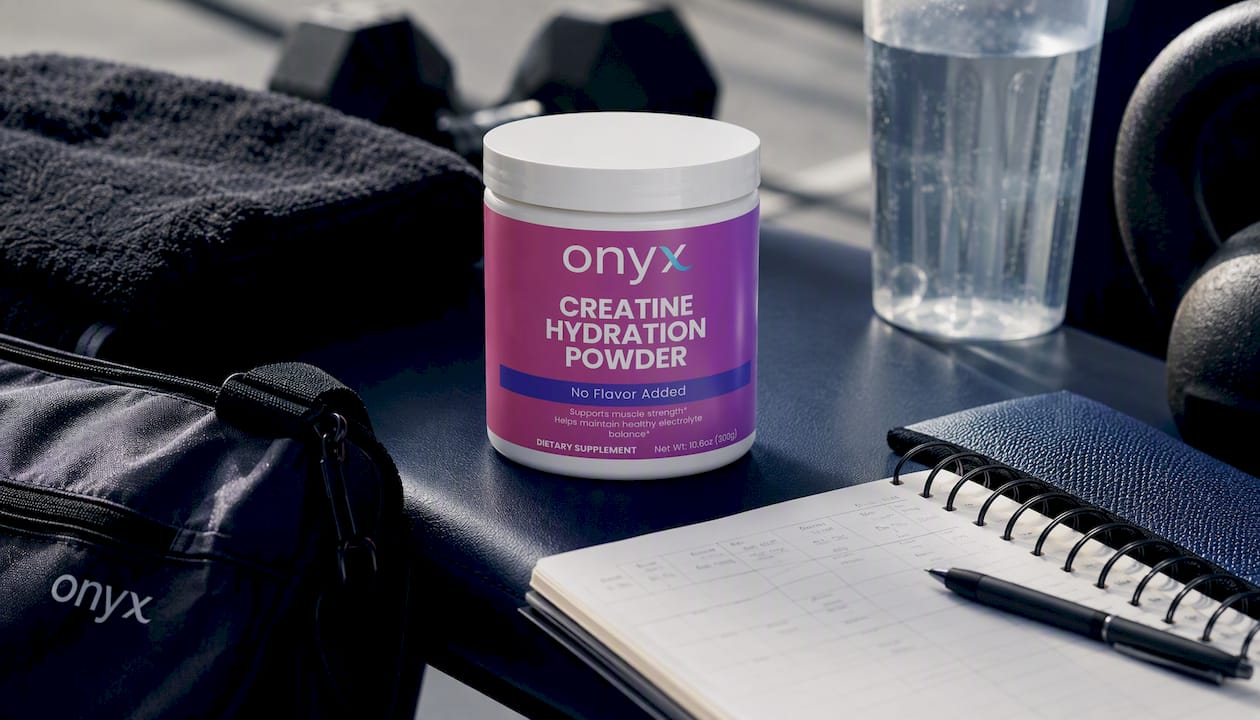
A standard approach is one scoop mixed into 12 to 16 ounces of water, sipped over the 20 to 30 minutes right after you finish training. If your workout ran long or hot, pair it with a light carbohydrate snack to speed rehydration even further, in line with the sodium-plus-carbohydrate strategy covered earlier. It’s one product, not a full replacement for the sip schedule you use mid-workout, but it solves the specific problem of what to reach for the moment you rack the weights or cross the finish line.
For casual training days when a mixed drink isn’t practical, Onyxwellness’s strips or gummies offer a quicker, no-water-needed option you can carry in a gym bag. If you’re building a broader recovery stack around training volume, the full creatine and muscle building lineup is worth a look, and you can browse the complete collection to find the format that fits your routine. Check the Creatine Hydration Powder product page for current details and get it into your post-workout rotation this week.
Sources
- PubMed: Water and electrolyte requirements for exercise
- PubMed: Fluid replacement and exercise
- Sports and Hydration for Athletes: Q&A with a Dietitian | Johns Hopkins Medicine
- NATA: Fluid replacements for athletes (guidance PDF)
FAQ
How much time before a workout should I take electrolytes?
If you have two to three hours before training, drink your electrolyte fluid then alongside a normal meal. With only 10 to 20 minutes of lead time, a smaller electrolyte dose right before you start still primes hydration, according to NATA’s guidance.
Should I take electrolytes before a workout?
Not always. If your session is under 90 minutes and conditions are mild, plain water is enough beforehand. Electrolytes before a workout become worthwhile when you’re heading into a long, hot, or high-intensity session, or when you already know you sweat heavily.
Are electrolytes more effective before or after a workout?
Neither window beats the other. They serve different jobs: pre-workout electrolytes prime your fluid levels going in, while post-workout intake, paired with carbohydrate, speeds rehydration and reduces urine losses in the first 60 minutes after you finish.
Do you lose electrolytes if you don’t sweat?
You lose some electrolytes through normal bodily processes even without visible sweat, but the amount is minor compared to what a sweaty workout costs you. If you’re training in air conditioning at low intensity and barely sweating, plain water and a normal diet typically cover your needs.