


TL;DR:
- Your digestive health influences immunity, mood, and energy, making it essential for overall well-being.
- Improving gut function requires gradual dietary, lifestyle, and mindfulness changes to support microbiome diversity.
Your digestive health does far more than process food. It shapes your immune response, influences your mood, and plays a direct role in your energy levels every single day. Yet most people chalk up bloating, irregularity, or that heavy post-meal feeling to “just how things are.” They are not. These are signals worth paying attention to, and the good news is that real, lasting improvement is achievable through natural, practical changes. This guide walks you through exactly how your gut works, what to eat, how to live, and when to get help.
Table of Contents
- Key Takeaways
- Why digestive health affects your whole body
- Foods that improve digestion and feed your gut
- Lifestyle habits that support digestion
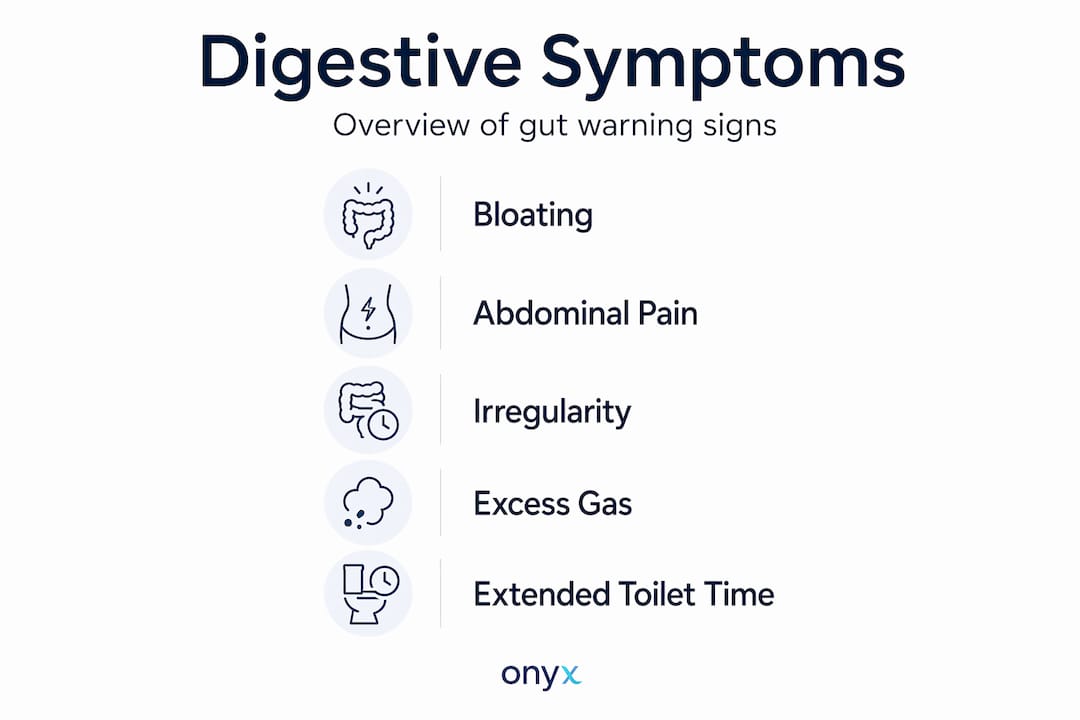
- Recognizing the symptoms of digestive issues
- My take on what most people are missing
- Support your gut with natural wellness tools
- FAQ
Key Takeaways
| Point | Details |
|---|---|
| Gut health is systemic | Your digestive system connects to your immune function, brain, and metabolism, not just your stomach. |
| Fiber and diversity matter most | Aim for five to seven servings of produce daily and 25 to 30 distinct plant foods weekly for microbiome richness. |
| Lifestyle shapes your gut | Sleep, hydration, exercise, and stress levels all directly affect how well your gut functions. |
| Symptoms are signals | Persistent bloating, discomfort, or time on the toilet exceeding 10 to 15 minutes deserves attention, not normalization. |
| Small changes compound | Gradual, consistent habit shifts outperform dramatic overhauls when it comes to long-term digestive wellness. |
Why digestive health affects your whole body
Most people think of digestion as a simple pipeline: food goes in, nutrients are absorbed, waste exits. The reality is considerably more interesting. Your digestive tract is a complex system involving organs, enzymes, hormones, and roughly 100 trillion microorganisms that collectively form your gut microbiome.
That microbiome is not just along for the ride. It produces vitamins, regulates immune responses, and communicates directly with your brain through what scientists call the gut-brain axis. This two-way communication highway links gut activity to your mental state, stress levels, and even how clearly you think on a given morning.
Here is what poor digestive wellness can set off across your body:
- Immune dysfunction. About 70% of your immune cells live in your gut lining. When the gut is inflamed or imbalanced, your defenses take a hit.
- Mood disturbances. Your gut produces roughly 95% of the body’s serotonin. Disrupted gut flora has been linked to anxiety and depression.
- Chronic fatigue. Impaired nutrient absorption means your cells are running on less fuel, even when you eat enough.
- Systemic inflammation. A compromised gut lining allows substances to leak into the bloodstream, triggering widespread inflammatory responses.
- Metabolic issues. Microbiome imbalance is associated with weight gain, insulin resistance, and blood sugar irregularities.
Microbiome diversity, meaning the number of different bacterial species living in your gut, is one of the strongest markers of digestive and overall health. The more varied your diet and lifestyle, the richer that microbial ecosystem tends to be. Understanding this connection reframes what “gut health tips” really means. It is not just about avoiding discomfort. It is about protecting your whole system.
Foods that improve digestion and feed your gut
Diet is the single most powerful lever you have when it comes to your gut microbiome. And the research is clear on what works.
Load up on fiber, but do it gradually
Five to seven servings of fruits and vegetables daily and whole-grain products with at least 3 grams of dietary fiber per serving form the backbone of a gut-supportive diet. Fiber feeds beneficial bacteria and keeps transit time healthy. But flooding your system with fiber overnight is a recipe for bloating and gas.

Introducing fiber slowly, at a pace of one to two new plant foods per week, prevents discomfort and gives your microbiome time to adapt. The goal is eventually reaching 25 to 30 distinct plant foods per week. That includes vegetables, fruits, whole grains, legumes, nuts, seeds, and herbs. Every new plant type you add contributes a different type of prebiotic fiber that feeds a different bacterial community.
Bring in fermented and prebiotic foods
Fermented foods like yogurt with live cultures, kefir, kimchi, sauerkraut, and miso introduce beneficial bacteria directly into your gut. Prebiotic foods, including garlic, onions, leeks, asparagus, and bananas, feed the bacteria already living there. Using both strategies together has a compounding effect.
Know what to pull back on
Some foods actively work against your gut, including:
- Heavily processed and packaged foods, which are low in fiber and high in additives
- Fried foods, which slow motility and promote inflammation
- Artificial sweeteners like sucralose and saccharin, which have been shown to negatively shift microbiome composition
- Excessive red meat, particularly processed varieties, which increases harmful bacterial metabolites
- High-sodium foods, which can disrupt gut bacterial balance
Pro Tip: Try keeping a simple food and symptom journal for two weeks. Patterns become obvious quickly, and you will identify your personal triggers without eliminating entire food groups based on guesswork.
Lifestyle habits that support digestion
Diet gets most of the attention, but the way you live outside of meals has an enormous effect on how well your gut functions. These four areas deserve equal weight.
-
Hydrate consistently. Adults should aim for 91 to 125 fluid ounces of water daily. Water softens stool, supports the mucus lining of the intestines, and helps flush waste through your system efficiently. Caffeinated and alcoholic beverages do not count toward this total. Plain water and herbal teas are your best options.
-
Move your body regularly. At least 150 minutes of moderate-intensity exercise per week stimulates intestinal contractions, a process called gut motility. Walking, swimming, cycling, and yoga all qualify. Even a 20-minute walk after meals has been shown to reduce bloating and improve transit time.
-
Protect your sleep. Your gut microbiota follows a circadian rhythm just like you do. Poor or inconsistent sleep disrupts the timing of microbial activity and hormone secretion that regulates appetite and digestion. Aim for 7 to 9 hours of quality sleep and try to maintain consistent sleep and wake times, even on weekends.
-
Manage stress deliberately. Chronic stress damages the gut lining and throws off microbiome balance. This is not metaphorical. Stress hormones literally alter gut permeability, allowing harmful substances to enter the bloodstream. Practices like diaphragmatic breathing, yoga, or even five minutes of quiet before a meal can activate the rest-and-digest response your nervous system needs to do its job.
-
Eat mindfully and space your meals. Chewing food to an applesauce-like consistency reduces the digestive workload further down the tract. Your stomach does not have teeth, so what you skip in chewing, it makes up for in effort. Beyond that, your gut runs cleaning cycles between meals called migrating motor complexes. These function best when meals are spaced three to four hours apart rather than grazed on constantly.
Pro Tip: Before your next meal, take three slow, deep breaths from your belly. This simple practice shifts your nervous system out of fight-or-flight and into the parasympathetic state where digestion actually works. Try it for a week and notice the difference.
Recognizing the symptoms of digestive issues
One of the most common mistakes people make is normalizing digestive symptoms that are actually warning signs. The symptoms of digestive issues like persistent bloating, irregular bowel movements, and chronic discomfort are connected to immune function, mood, and fatigue. They are not just annoying. They are informative.
Here are signs worth taking seriously:
- Bloating that occurs regularly, especially after meals, may signal bacterial overgrowth, food intolerances, or impaired motility
- Constipation or loose stools that persist beyond a few days indicate the gut is struggling to regulate transit
- Abdominal pain or cramping that follows a pattern around meals or stress warrants investigation
- Excessive gas beyond what is occasional and expected
- Extended time on the toilet. Spending more than 10 to 15 minutes on the toilet may signal constipation or slow motility and deserves attention
Prolonged or ignored symptoms can escalate to irritable bowel syndrome, hemorrhoids from straining, bacterial imbalances that are difficult to correct, and damage to the gut lining. A gastroenterologist can run targeted diagnostics including stool analysis, breath tests, and colonoscopy to identify what is actually happening. The point is not to alarm you. It is to remind you that your gut is trying to communicate, and listening sooner always leads to better outcomes than waiting.
My take on what most people are missing
When I look at what actually changes things for people dealing with chronic digestive discomfort, it is rarely a single superfood or supplement that does it. What I have seen work, consistently, is getting the nervous system involved.
Most gut health advice focuses entirely on what you eat. But if you are eating kale and kimchi while running on four hours of sleep and constant deadline stress, your gut is operating in a state that actively blocks good digestion. The gut-nervous system connection is real and deeply underappreciated.
Activating the rest-and-digest mode through diaphragmatic breathing and mindfulness before meals is one of the most impactful things you can do, and almost no one talks about it. I have watched people cut bloating significantly just by slowing down at meals and not eating while working at their desk.
The other thing I have learned is that gradual wins. People who try to overhaul their diet in a week almost always backfire with gas and frustration. Those who add one new habit or food per week, with patience and curiosity, are the ones who see lasting change. Your gut is not broken. It is asking for consistency, not perfection.
— Chris
Support your gut with natural wellness tools
If you are ready to take your digestive wellness further, Onyxwellness has you in its corner. The Digestive and Gut Health Strips are designed to complement the lifestyle changes covered in this article, using Ayurvedic-inspired ingredients in a fast-absorbing, sugar-free dissolvable strip format that fits your day without friction.

For those working on metabolism and probiotic balance, the Probiotic and Metabolism Strips pair naturally with diet and movement habits. And if stress is showing up in your gut, the Cognitive Relax Strips support the nervous system regulation your digestion depends on. Browse the full range of natural wellness solutions at Onyxwellness and find what fits where you are right now.
FAQ
What are the most common symptoms of digestive issues?
Persistent bloating, abdominal pain, irregular bowel movements, excessive gas, and spending more than 10 to 15 minutes on the toilet are the most common signs. These symptoms often indicate underlying gut imbalances worth addressing with dietary and lifestyle changes or a healthcare provider.
How can I improve digestion naturally?
Start with gradual fiber increases, stay hydrated with 8 to 10 glasses of water daily, exercise at least 150 minutes per week, prioritize 7 to 9 hours of sleep, and practice mindful eating. These changes collectively support gut motility, microbiome diversity, and digestive efficiency.
What foods are best for gut health?
Foods for gut health include high-fiber fruits, vegetables, and whole grains, along with fermented options like yogurt, kefir, kimchi, and sauerkraut. Prebiotic foods such as garlic, onions, and asparagus also feed beneficial bacteria and strengthen the microbiome.
How does stress affect digestive health?
Chronic stress activates the nervous system’s fight-or-flight response, which reduces blood flow to the digestive tract and increases gut permeability. This disrupts microbiome balance and can worsen bloating, cramping, and irregular motility over time.
When should I see a doctor about digestive symptoms?
If symptoms like bloating, pain, constipation, or diarrhea persist for more than a few weeks or follow consistent patterns, consult a gastroenterologist. Early investigation through stool analysis or breath testing often leads to faster, more targeted solutions than waiting.