


Current evidence does not support creatine causing hair loss in healthy people. The strongest data available, a 2025 randomized controlled trial tracking 12 weeks of daily creatine use, found no measurable difference in hair density, follicle count, or hormone levels between the creatine group and the placebo group. If you carry a genetic risk for pattern baldness, that risk exists whether or not creatine is in your routine.
TL;DR:
- The 2025 trial found no significant effect of creatine on hair density, follicle count, or hormone levels over 12 weeks in healthy resistance-trained men.
- The 2009 study showing increased serum DHT after creatine loading did not measure hair loss or follicle health and involved a small sample size.
- DHT levels alone do not determine hair loss, as genetic sensitivity of hair follicles to DHT is the deciding factor for pattern baldness.
- Men with a genetic predisposition to baldness should monitor pattern changes over months and consult a dermatologist if they notice rapid or patterned thinning.
- Creatine is unlikely to cause hair loss for healthy individuals, especially if their hair has remained unchanged during supplementation.
Table of Contents
- Does Creatine Cause Hair Loss? What the Research Actually Shows
- Where the Creatine and Hair Loss Rumor Started
- How DHT and Genetics Actually Determine Your Risk
- Should You Stop Taking Creatine? A Practical Guide
- Other Causes of Thinning Hair People Often Blame on Supplements
- Onyxwellness’s Approach to Evidence and Supplementation
- The Real Lesson Buried in This Debate
- Where to Find Trusted Creatine Options
- Sources
- FAQ
Does Creatine Cause Hair Loss? What the Research Actually Shows
The best answer we have comes from a 2025 randomized controlled trial that did something no prior study had done: it actually measured hair. Thirty-eight resistance-trained men took either 5 grams of creatine daily or a placebo for 12 weeks. Researchers tracked DHT, the DHT-to-testosterone ratio, hair density, follicular unit count, and cumulative hair thickness. After the study period, there was no meaningful difference between the two groups on any of those markers.
That matters because the study everyone cites when they worry about creatine and hair loss never looked at hair at all.
- The 2025 RCT measured hair outcomes directly and found no significant group differences (p > 0.05 across hormone and hair measures).
- The 2009 study on rugby players measured only serum DHT, not hair density or follicle health.
- The gap between the two is the entire reason this myth has persisted for over a decade.
The core finding: 38 men, 12 weeks, 5 g/day of creatine, and zero significant change in DHT, DHT-to-testosterone ratio, or any measured hair outcome compared to placebo.
None of this closes the book completely. The trial ran three months, not three years, and it did not specifically recruit men already showing early signs of androgenetic alopecia. Whether creatine behaves differently in someone whose follicles are already genetically sensitized to DHT is still an open question, and one honest researchers acknowledge rather than paper over.
Where the Creatine and Hair Loss Rumor Started
The panic traces back to a single 2009 study of college rugby players. Roughly 20 athletes went through a creatine loading phase, a common protocol of around 25 grams a day for a week, followed by a lower maintenance dose. Researchers reported increases in serum DHT after loading, which remained somewhat elevated during maintenance, although values stayed within normal physiological ranges for healthy adults.
That finding got repeated everywhere, but two details usually got left out.
- The study never measured hair loss, hair density, or follicle health in any way.
- The reported DHT increases, while statistically notable, kept participants within normal physiological ranges.
- The sample size was small, around 20 people, which limits how far the findings generalize.
A hormone-only finding from a rugby locker room became, over years of retelling on forums and social media, a settled claim that creatine causes balding. It never had the data to support that leap.
How DHT and Genetics Actually Determine Your Risk
Your body converts testosterone into dihydrotestosterone (DHT) through an enzyme called 5-alpha reductase. DHT is a normal, necessary hormone. The problem only shows up in hair follicles that carry a genetic sensitivity to it. In those follicles, DHT binding gradually shrinks the follicle in a process called miniaturization, producing the classic pattern of thinning at the temples and crown.
Here’s the part that gets lost in the creatine debate: a higher DHT number by itself proves nothing about your hair. Two men can have identical DHT levels, and one goes bald while the other keeps a full head of hair, because the second man’s follicles simply are not genetically wired to react to it.
- Temple recession and crown thinning are the classic signs of androgenetic alopecia, not diffuse shedding across the whole scalp.
- Onset typically starts in the late twenties to thirties for men, though it can begin earlier with strong family history.
- Family history, especially on the maternal side, remains one of the strongest predictors researchers have identified.
Pro Tip: Take a “hairline photo” every few months under the same lighting. Pattern changes show up far more clearly in side-by-side photos than in memory, and it gives you real data if you ever discuss concerns with a dermatologist.
Should You Stop Taking Creatine? A Practical Guide
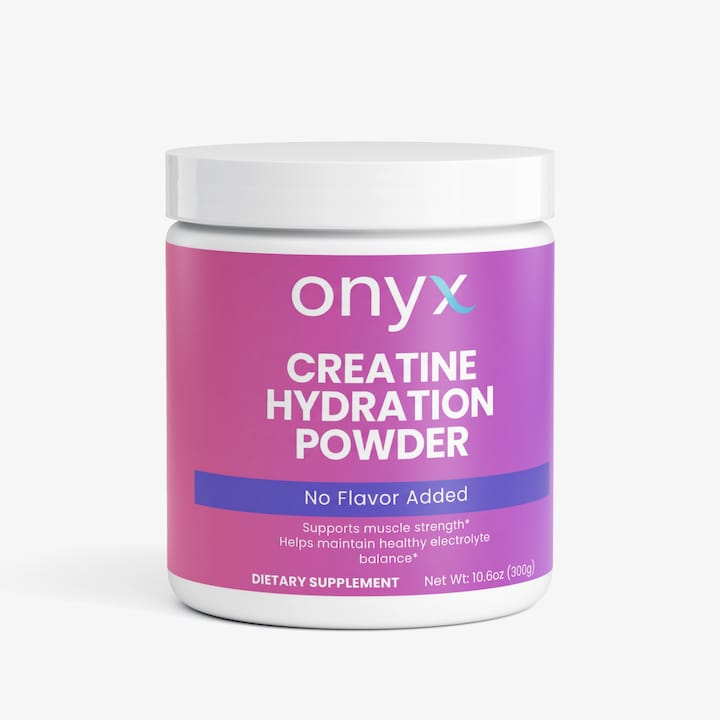
If you’re healthy, and your hair looks the same as it did before you started supplementing, there’s no clinical reason to stop. The Cleveland Clinic’s guidance and dermatology sources consistently land in the same place: creatine is not currently established as a cause of hair loss, so hair concerns alone don’t justify quitting a supplement that’s otherwise working for you.
That said, a few signals should prompt a closer look:
- Rapid, diffuse shedding that’s noticeably faster than your normal hair turnover.
- Patterned thinning specifically at the temples or crown, rather than all over.
- A strong family history of early-onset baldness combined with new changes you’re seeing now.
If any of those apply, don’t just guess. Document when you first noticed changes, take that photo log mentioned earlier, and consider a temporary pause in supplementation while you track things over a few months. Then bring that timeline to a dermatologist rather than an endocrinologist first. Hormone testing is rarely the first step; pattern recognition and scalp examination usually are.
Other Causes of Thinning Hair People Often Blame on Supplements
Hair loss has a long list of causes that have nothing to do with creatine, and confusing them with pattern baldness leads people to blame the wrong thing entirely.
- Telogen effluvium causes diffuse shedding two to three months after a stressful event, illness, surgery, or major weight change.
- Nutritional deficiencies, particularly low iron or vitamin D, thin hair gradually and evenly across the scalp.
- Thyroid dysfunction (both underactive and overactive) commonly shows up as hair thinning alongside fatigue or weight changes.
- Medications, including some blood pressure drugs and antidepressants, list hair thinning as a known side effect.
- Traction and styling damage from tight hairstyles or heat tools causes localized thinning at the hairline or part.
A clinician can usually sort this out with a basic panel: a complete blood count (CBC), ferritin for iron stores, and a TSH test for thyroid function. If those come back normal and the pattern looks genetic, that points toward androgenetic alopecia rather than anything nutritional or supplement-related.
Onyxwellness’s Approach to Evidence and Supplementation
Onyxwellness builds its creatine guidance around what the research actually says, not around forum rumors. That means acknowledging the 2025 trial’s reassuring findings while still respecting that genetics, not supplements, drive most pattern hair loss. For readers who want more detail on dosing and hydration, Onyxwellness has covered how much creatine to take daily and what creatine does for muscle and recovery in separate guides.
- Products are available for those who choose creatine supplementation and want quality-controlled options.
- If you already have hair-loss concerns, talk to a clinician before starting or adjusting any supplement, creatine included.
- Explore the full creatine and muscle-building lineup to see various product formats.
The Real Lesson Buried in This Debate
The conventional advice on creatine and hair loss usually stops at “the evidence is mixed,” which undersells what’s actually happened here. A rumor built on a small, hormone-only study from 2009 got treated as settled science for over a decade, while nobody bothered to run a trial that actually measured hair until 2025. That’s not mixed evidence. That’s one weak signal and one much stronger study that found nothing.
Where the conventional wisdom really fails is in treating DHT as destiny. Plenty of health content still implies that any DHT increase is bad news, when the honest mechanism is that DHT only matters if your follicles are genetically primed to respond to it. That’s a genetics story, not a supplement story.
If you’re worried about your hairline, prioritize a mirror and a calendar over a hormone panel. Track your pattern over months, not days, and let an actual dermatologist read the trend. Creatine is very likely the wrong place to point your concern.
— Chris
Where to Find Trusted Creatine Options
If you’ve decided creatine still fits your routine, the goal is picking a product you don’t have to second-guess. CoreCharge Ritual is a straightforward creatine monohydrate formula, built for people who want the well-studied 3 to 5 gram daily dose without unnecessary additives.
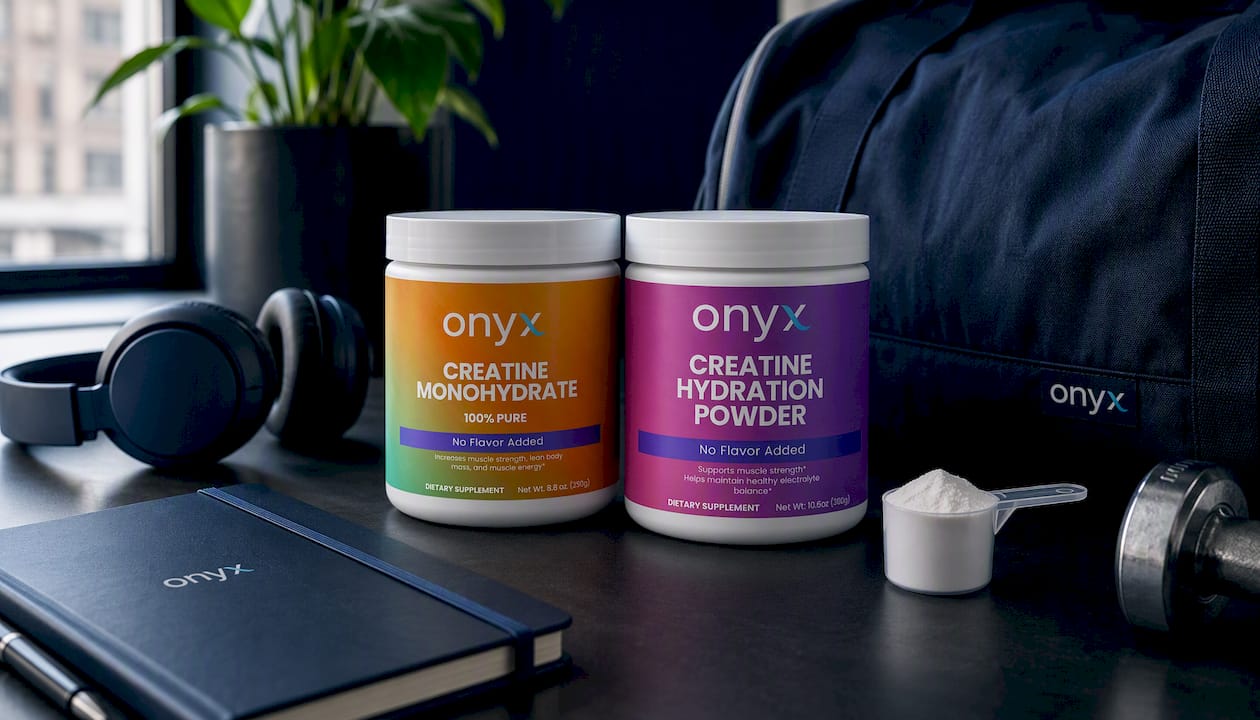
For anyone training hard and worried about staying properly hydrated alongside supplementation, the Creatine Hydration Powder pairs creatine with electrolytes in one scoop, which is worth a look if plain monohydrate has ever left you feeling parched on heavy training days. Both are part of a broader creatine and muscle-building collection, where you can compare formats side by side.
None of this replaces a conversation with your doctor. If you already have concerns about thinning hair or a strong family history of pattern baldness, talk to a clinician before you start or change any supplement routine, creatine included. If hormone balance is a broader concern for you, options like BioSync-XT’s natural testosterone support are worth researching separately from your creatine decision. Ready to pick a format that fits your routine? Browse creatine options and start with the dose that matches your training goals.
Sources
- Does creatine cause hair loss? A 12-week randomized controlled trial - PMC
- PubMed record for 2009 creatine + DHT study
- Does Creatine Cause Hair Loss? — Cleveland Clinic
This article is general information, not a substitute for advice from a qualified doctor. Consult a qualified healthcare professional about your own circumstances before acting on anything here.
FAQ
Why do some doctors caution against creatine?
Most caution isn’t about hair loss specifically. Some clinicians raise general concerns about long-term kidney strain in people with existing kidney disease, though creatine is widely considered safe for healthy adults at typical doses of 3 to 5 grams daily.
Can stopping creatine reverse hair loss?
If creatine isn’t the actual cause, which the 2025 RCT suggests it usually isn’t, stopping it won’t reverse pattern thinning that’s driven by genetics and DHT sensitivity. A supplement pause combined with a photo log can still help you and a dermatologist rule creatine out with more confidence.
What are the disadvantages of creatine?
Documented side effects can include water retention, minor digestive discomfort, and muscle cramping in some people, though these are typically manageable at standard doses. Hair loss is not established among these disadvantages based on current controlled trial evidence.
What happens after one month of creatine?
Most people notice increased water weight and improved strength or power output in the gym within the first few weeks. A one month mark is far too short to draw any conclusions about hair, since the only trial to measure hair outcomes tracked participants for a full 12 weeks and found no changes at all.