


If you want sustainable daily energy, start with five herbs: ashwagandha, shilajit, amla, brahmi, and guduchi. These are adaptogens, not stimulants, which means they help your body regulate stress and stamina over time rather than spike you the way caffeine does. That distinction shapes everything else in this guide.
Give any of these herbs four to eight weeks before judging results. The clinical trials behind ashwagandha show adaptogenic effects building gradually, not overnight, so patience is part of the protocol, not a failure of it.
Before you buy anything, take three steps:
- Review your current medications and health conditions, especially thyroid disorders, diabetes, blood pressure issues, or autoimmune conditions.
- Choose a standardized, third-party tested product format, whether that’s a capsule, powder, or a fast-absorbing strip.
- Pair whatever herb you choose with better sleep and regular movement, since herbs work as an adjunct to those habits, not a replacement for them.
Key Takeaways
Ashwagandha has the strongest clinical backing for sustained energy and stress resilience, but every Ayurvedic herb works best paired with consistent sleep and exercise, never as a standalone fix.
| Point | Details |
|---|---|
| Adaptogens build resilience gradually | Expect meaningful results after four to eight weeks, not immediately, based on ashwagandha trial timelines. |
| Ashwagandha leads on evidence | A randomized trial using ASVAMAN at 300 mg twice daily for 42 days improved endurance and lowered cortisol. |
| Sourcing quality is non-negotiable | Choose standardized extracts with third-party heavy-metal testing, especially for shilajit. |
| Lifestyle habits come first | Harvard Health recommends 150 minutes of weekly aerobic activity and 7 to 9 hours of sleep as the energy baseline. |
| Format matters for consistency | Onyxwellness Energy Strips, Mushroom Focus Strips, and Reishi Relax Gummies offer fast, dose-controlled options for different times of day. |
This article is general information, not a substitute for advice from a qualified doctor. Consult a qualified healthcare professional about your own circumstances before acting on anything here.
Table of Contents
- Ayurvedic Herbs for Energy: A Herb-by-Herb Guide
- Safety Checklist Before You Try Herbal Energy Support
- How to Time Ayurvedic Herbs for Steady Daily Energy
- The Lifestyle Foundations Herbs Can’t Replace
- Matching Herb Formats to Your Daily Routine
- Why the “Instant Energy Herb” Framing Misses the Point
- Try Onyxwellness Energy Strips for Convenient Daily Support
- Sources
- FAQ
Ayurvedic Herbs for Energy: A Herb-by-Herb Guide
Not all energy herbs work the same way, and lumping them together does readers a disservice. Some modulate stress hormones. Others support mitochondrial function or improve nutrient absorption so your body can actually use the fuel you’re giving it. Here’s how the major players break down.
1. Ashwagandha (Withania Somnifera)
Ashwagandha is the most researched adaptogen in this category, and for good reason. A systematic review on its Rasayana role in Ayurveda documents its long history as a rejuvenator alongside modern clinical data showing measurable stress and stamina benefits.
The mechanism centers on cortisol regulation. Chronically elevated cortisol drains energy reserves, and ashwagandha appears to blunt that spike, which is why the effects show up as steadier stamina rather than a jolt. A randomized, placebo-controlled trial using ASVAMAN, a standardized ashwagandha extract dosed at 300 mg twice daily for 42 days, found participants improved their six-minute walk distance and showed reduced serum cortisol compared to placebo.
Extract quality varies enormously. KSM-66, Sensoril, and ASVAMAN are standardized to specific withanolide concentrations, and that standardization is what makes the clinical results reproducible. A generic “ashwagandha powder” with no stated withanolide percentage is a gamble. Typical doses run 300 to 600 mg of standardized extract daily, split morning and evening, or delivered through a dissolvable format like Onyxwellness Energy Strips for people who don’t want to deal with capsules.
2. Shilajit
Shilajit is a mineral-rich resin, pushed out of Himalayan rock over centuries, traditionally used for stamina and what Ayurveda calls rejuvenation. It’s rich in fulvic acid, a compound thought to support cellular energy transport and nutrient uptake. Small trials suggest benefits for stamina and vitality markers, though the evidence base is thinner than ashwagandha’s.
The bigger issue with shilajit is sourcing. Raw, untested resin carries a real risk of heavy metal contamination, since it’s harvested from mineral deposits that can concentrate lead, arsenic, or mercury depending on region and processing. Buy only from brands that publish third-party heavy-metal testing. Standard doses range from 200 to 500 mg daily, usually taken in the morning or before a workout.
3. Amla (Indian Gooseberry)
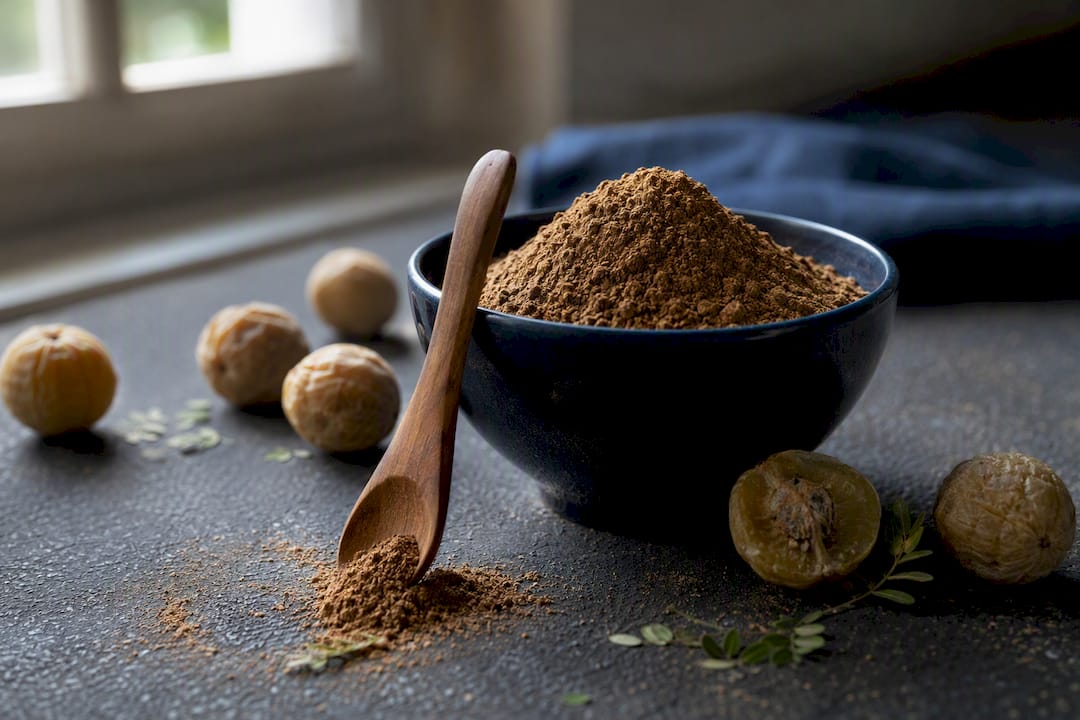
Amla delivers one of the highest natural vitamin C concentrations of any fruit, which matters for energy because vitamin C supports mitochondrial function and antioxidant defense. Fatigue often has an oxidative-stress component, and amla’s antioxidant load helps offset that. You’ll find it as a dried powder, in capsules, or blended into traditional preparations like chyawanprash. A common supplemental dose is 500 to 1,000 mg daily.
4. Brahmi and Gotu Kola
Brahmi (Bacopa monnieri) and gotu kola are often confused with each other, but both support cognitive clarity, which indirectly supports energy. Mental fatigue burns through the same reserves as physical fatigue, and sharper focus means less wasted effort. Standard brahmi doses run 300 mg of standardized extract daily; gotu kola is typically dosed similarly in capsule form.
5. Triphala
Triphala is a three-fruit blend used primarily for digestive support, and that’s exactly why it belongs on an energy list. Poor digestion means poor nutrient absorption, and poor absorption means your body can’t extract the fuel from food even when you’re eating well. A typical dose is 500 to 1,000 mg before bed. If digestive sluggishness is part of your fatigue picture, a gut health strip can be an easier entry point than powder.
6. Guduchi (Giloy)
Guduchi is another classic Rasayana herb, used traditionally to build resilience and immune function. Chronic low-grade immune activation is an underrated energy drain, and guduchi’s immunomodulatory reputation is why Ayurvedic practitioners pair it with ashwagandha for sustained vitality rather than a quick lift.
7. Shatavari, Licorice, and Turmeric
Shatavari is traditionally used to support hormonal balance and stamina, particularly in women. Licorice root shows up in energy blends for its effect on cortisol metabolism, but it carries a genuine caution: it can raise blood pressure with regular use, so anyone with hypertension should avoid high-dose licorice or use short courses only. Turmeric’s curcumin content supports the anti-inflammatory side of fatigue, since chronic inflammation is a well-documented energy drain, though absorption is poor without piperine or a fat source.
8. Reishi and Medicinal Mushroom Blends
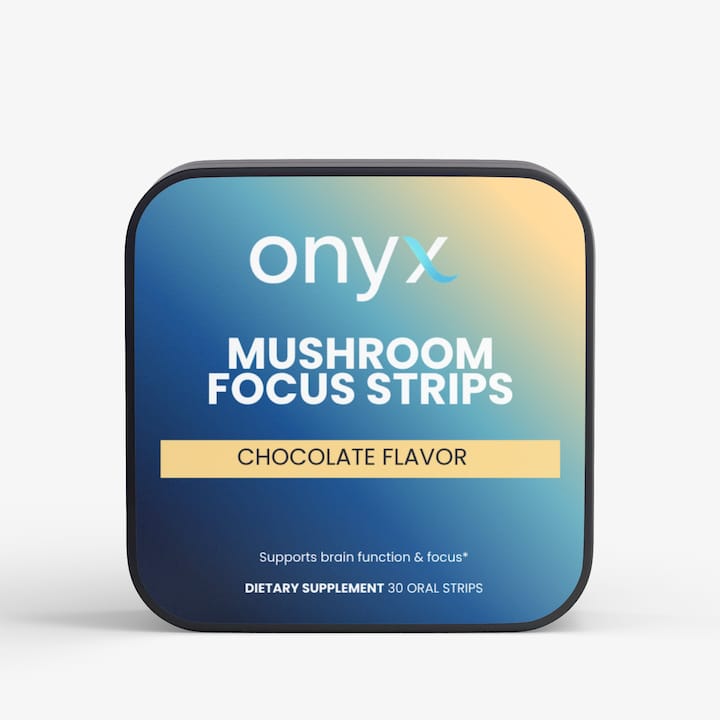
Reishi doesn’t work like the herbs above. Instead of directly modulating cortisol, it supports immune balance, and preclinical and small clinical studies point to fatigue-supportive and immunomodulatory roles for medicinal mushrooms generally. That makes reishi a better fit for evening recovery than daytime drive, which is why it shows up in Onyxwellness Reishi Relax Gummies rather than a morning energy product. For daytime cognitive support instead, Mushroom Focus Strips target a different use case entirely.
Quick evidence snapshot: Ashwagandha has the strongest clinical trial support of any herb on this list, with randomized, placebo-controlled data on stamina and cortisol. Shilajit, amla, and the mushroom category rest on smaller trials and traditional use, which doesn’t make them ineffective, just less rigorously tested.
Pro Tip: Start with one adaptogen at a documented, standardized dose for four weeks before adding a second. Track your sleep quality and perceived energy in a simple daily note, and let that log, not marketing claims, decide what you add next.
Safety Checklist Before You Try Herbal Energy Support
Herbs interact with medications more often than people assume. Before adding anything to your routine, run through this list:
- Blood thinners and anticoagulants: Several adaptogens, including ashwagandha, may affect clotting time and should be discussed with a doctor if you’re on warfarin or similar medications.
- Diabetes medications: Ashwagandha and guduchi can lower blood sugar, which means combining them with insulin or oral hypoglycemics raises the risk of hypoglycemia.
- Thyroid medications: Ashwagandha can increase thyroid hormone levels in some people, so use caution if you have hyperthyroidism or are on thyroid replacement therapy.
- Immunosuppressants: Guduchi and reishi’s immune-stimulating properties can work against immunosuppressive drugs prescribed after transplants or for autoimmune disease.
- Blood pressure medications: Licorice specifically can raise blood pressure and counteract antihypertensive drugs.
- Pregnancy and breastfeeding: Ashwagandha, shatavari, and shilajit all carry insufficient safety data for pregnancy, and most practitioners advise avoiding them entirely during that window.
Sourcing matters as much as dosing. Look for standardized extracts with a stated active-compound percentage, third-party testing for heavy metals, and a certificate of analysis you can actually request. Skip anything sold as unprocessed raw resin or powder with no lab documentation.
Give any single herb four to eight weeks before deciding whether it’s working, and stop immediately if you notice digestive upset, unusual fatigue, or mood changes that weren’t present before.
Pro Tip: Keep a two-to-six-week log of sleep, energy, and mood on a scale of one to five. Patterns show up faster on paper than in memory, and that log is what tells you whether to continue, adjust the dose, or stop.
How to Time Ayurvedic Herbs for Steady Daily Energy
Timing changes how these herbs perform. Ashwagandha is often taken in the evening to support recovery and sleep, though some people prefer a morning dose if they notice steadier daytime focus instead. Shilajit tends to work better earlier in the day or before a workout, since its traditional use leans toward stamina and physical output rather than wind-down.
Here are three simple regimens to start with:
- Morning focus stack: Brahmi or a mushroom-based cognitive strip with breakfast, paired with a short walk to support alertness naturally rather than relying on a caffeine spike.
- Daytime endurance stack: Shilajit or a standardized ashwagandha dose taken with food midmorning, plus an Energy Strip for a fast-absorbing option when you need support between meals.
- Evening recovery stack: Ashwagandha or a reishi gummy an hour before bed, supporting the cortisol wind-down that makes deep sleep, and therefore next-day energy, more likely.
Avoid stacking multiple strong hormone-modulating herbs, like ashwagandha, shatavari, and licorice, together without professional input. Their effects on cortisol and thyroid hormone can compound in ways that are hard to predict. Increase any single dose gradually over two to four weeks rather than starting at the top of the range.
The Lifestyle Foundations Herbs Can’t Replace
No herb compensates for chronic sleep debt or a sedentary routine, and treating supplements as a shortcut around those basics is the single most common mistake people make with adaptive herbs, which is why expert advice on how to support your nervous system is crucial. Harvard Health’s guidance on managing fatigue recommends 150 minutes of aerobic activity per week and 7 to 9 hours of sleep as the baseline for sustained energy, not an aspirational extra.
That baseline matters more than most people realize. A Gallup survey cited by Harvard Health found that 14% of American adults report lacking the energy to complete their daily tasks, and the gap usually traces back to sleep debt, inactivity, or diet, not a missing supplement.
Exercise itself builds the loop that keeps energy steady. Harvard Health research on exercise and sleep describes how physical activity raises endorphins and norepinephrine while improving deep sleep quality, and better sleep in turn makes the next day’s exercise easier. Herbs work best layered on top of that cycle, not as a substitute for it.
A few practical habits round out the picture:
- Favor low-glycemic meals with steady protein to avoid the blood sugar crash that mimics low energy.
- Skip heavy meals within two to three hours of bedtime, since digestion competes with the deep sleep that restores energy overnight.
- Stay ahead of hydration rather than reacting to thirst, since even mild dehydration reads as fatigue.
- Pace exertion across the day instead of front-loading effort, which protects what Ayurveda calls Ojas, the body’s vital reserve.
Protecting that reserve is really the whole philosophy behind Ayurvedic recovery practices: rest and rejuvenation aren’t indulgences, they’re the maintenance that keeps your energy system from running on fumes.
Matching Herb Formats to Your Daily Routine
Capsules and powders work fine if you don’t mind measuring doses or swallowing pills, but a lot of health-conscious adults are looking for something faster to fit into an actual morning. That’s the gap Onyxwellness built its strip and gummy formats to close.
Energy Strips dissolve without water, which makes them practical for the daytime endurance stack described above, especially on days when a full supplement routine isn’t realistic. Mushroom Focus Strips serve the cognitive side of the equation, better suited to a morning focus stack than an evening one, since their profile leans toward alertness rather than sedation. Reishi Relax Gummies round out the evening recovery stack, aligning with reishi’s traditional role supporting balanced rest rather than acute stimulation.
None of these formats change the underlying safety guidance above. Whichever format you choose, still check for interactions with existing medications and conditions before starting, and give the product four to eight weeks before judging whether it’s working. Onyxwellness’s approach to adaptogens is built around that same evidence-first framing rather than promising instant results.
| Format | Best fit |
|---|---|
| Mushroom Focus Strips | Morning cognitive focus |
| Reishi Relax Gummies | Evening recovery and wind-down |
Why the “Instant Energy Herb” Framing Misses the Point
The biggest problem with how this topic usually gets covered is the implicit promise that some herb out there works like a plant-based energy drink. It doesn’t, and treating adaptogens that way sets people up to quit after a week when nothing dramatic happens.
What the research actually supports is narrower and more useful: ashwagandha’s cortisol and endurance effects show up over six weeks of consistent dosing, not six hours. That’s a fundamentally different value proposition than caffeine, and comparing the two head to head, the way a lot of generic wellness content does, misleads readers about what to expect.
The bigger miss in conventional advice is treating herbs as the intervention rather than the accelerant. Sleep debt and inactivity will blunt any adaptogen’s effect, and no dose of shilajit fixes a habitual 5 hours of sleep. If you’re serious about this, the sequence matters: fix sleep and movement first, then layer in one standardized herb, then give it real time before judging.
That’s a less exciting story than “this herb changed my energy overnight.” It’s also the one backed by actual trial data.
Try Onyxwellness Energy Strips for Convenient Daily Support
If you’ve read this far and want a straightforward way to start, Energy Strips give you a sugar-free, fast-absorbing format that fits into an actual routine, no water, no measuring, no capsule to choke down before a morning meeting.

They pair naturally with the regimens described above. Use them as your daytime endurance option, and if evening recovery or cognitive focus are also on your list, Mushroom Focus Strips and Reishi Relax Gummies round out a full-day approach without asking you to juggle three different pill bottles. Onyxwellness built these formats specifically because standardized herbs only help if you actually take them consistently, and consistency is where most supplement routines quietly fail.
Browse the full Energy Strips product page to check ingredients and dosing, and see how it fits into the stack that matches your day.
Sources
- Boosting your energy — Harvard Health
- An overview on Ashwagandha: A Rasayana (Rejuvenator) of Ayurveda
- Efficacy of Ashwagandha Extract Formulation (ASVAMAN®) on Improvement of Energy and Endurance
- Medicinal mushrooms review (example)
FAQ
What is the strongest herb for energy?
Ashwagandha has the most robust clinical trial support among Ayurvedic herbs, with randomized data showing improved endurance and reduced cortisol after 42 days of standardized dosing.
What is the best Ayurvedic medicine for energy?
There’s no single “best” medicine since needs vary, but ashwagandha, shilajit, and guduchi are the most consistently recommended combination for sustained stamina and stress resilience.
Which herb is the king of Ayurveda?
Ashwagandha is frequently called a leading Rasayana, or rejuvenator, in Ayurvedic tradition, thanks to its long history of use and the depth of modern research supporting its adaptogenic effects.
What are some Ayurvedic remedies for fatigue and tiredness?
Ashwagandha, shilajit, amla, and triphala are the most commonly used remedies, working through stress modulation, mineral and antioxidant support, and improved nutrient absorption respectively, and all work best alongside consistent sleep and exercise.